
Last updated November 23, 2026
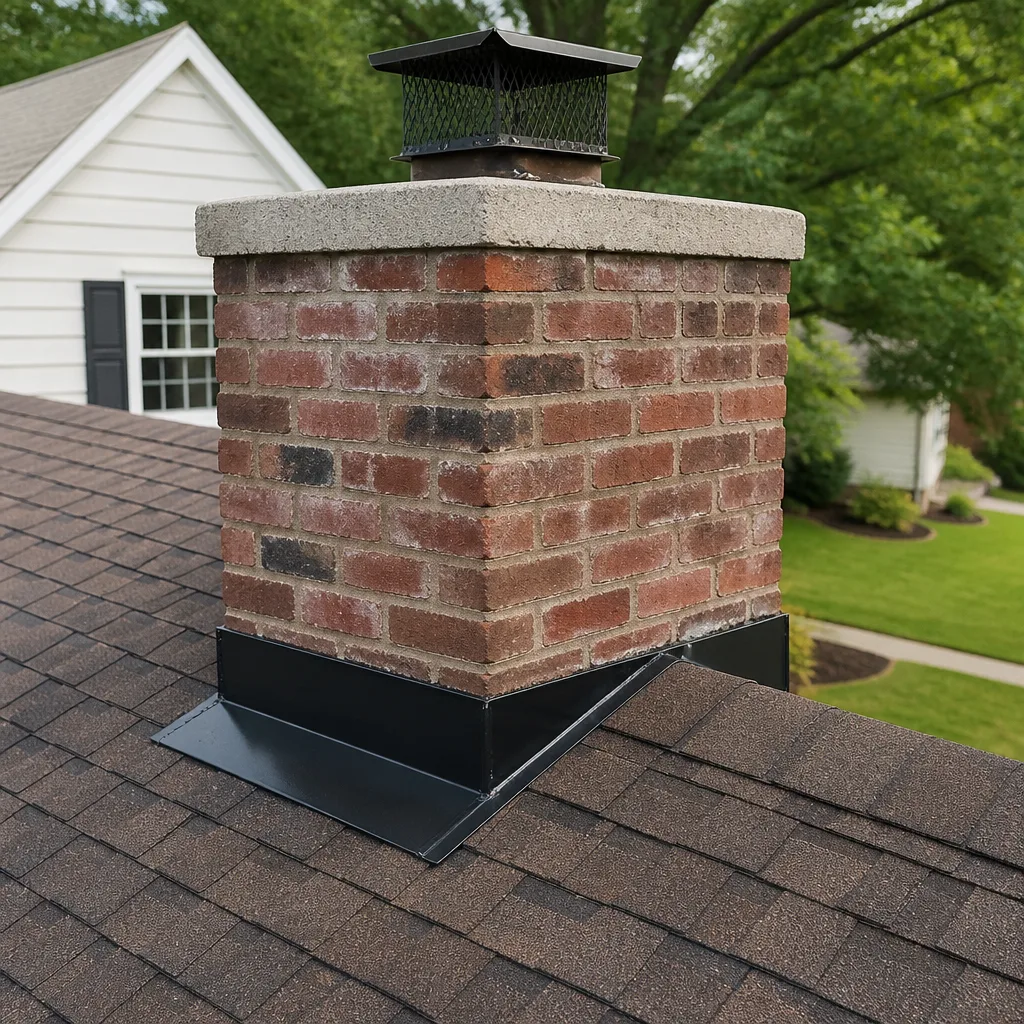 Sweep & inspection
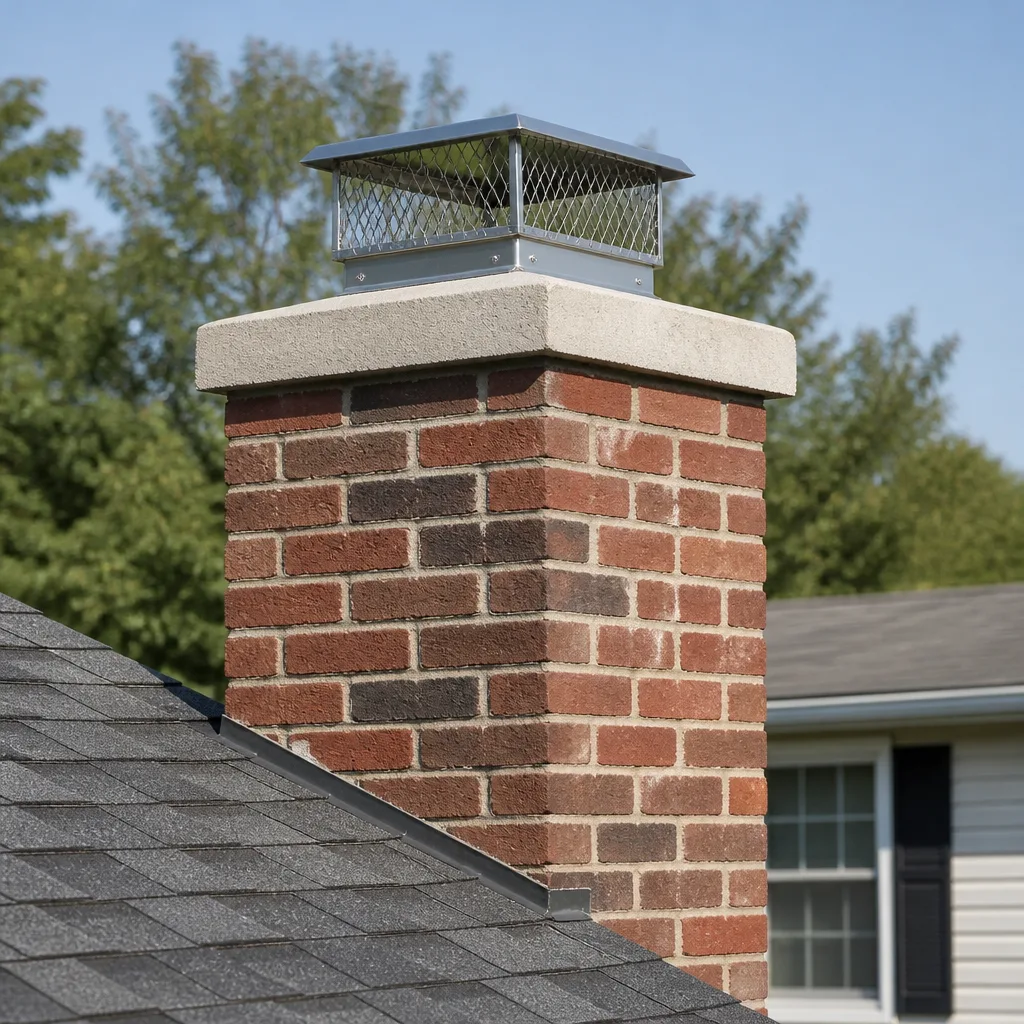 Caps & crowns
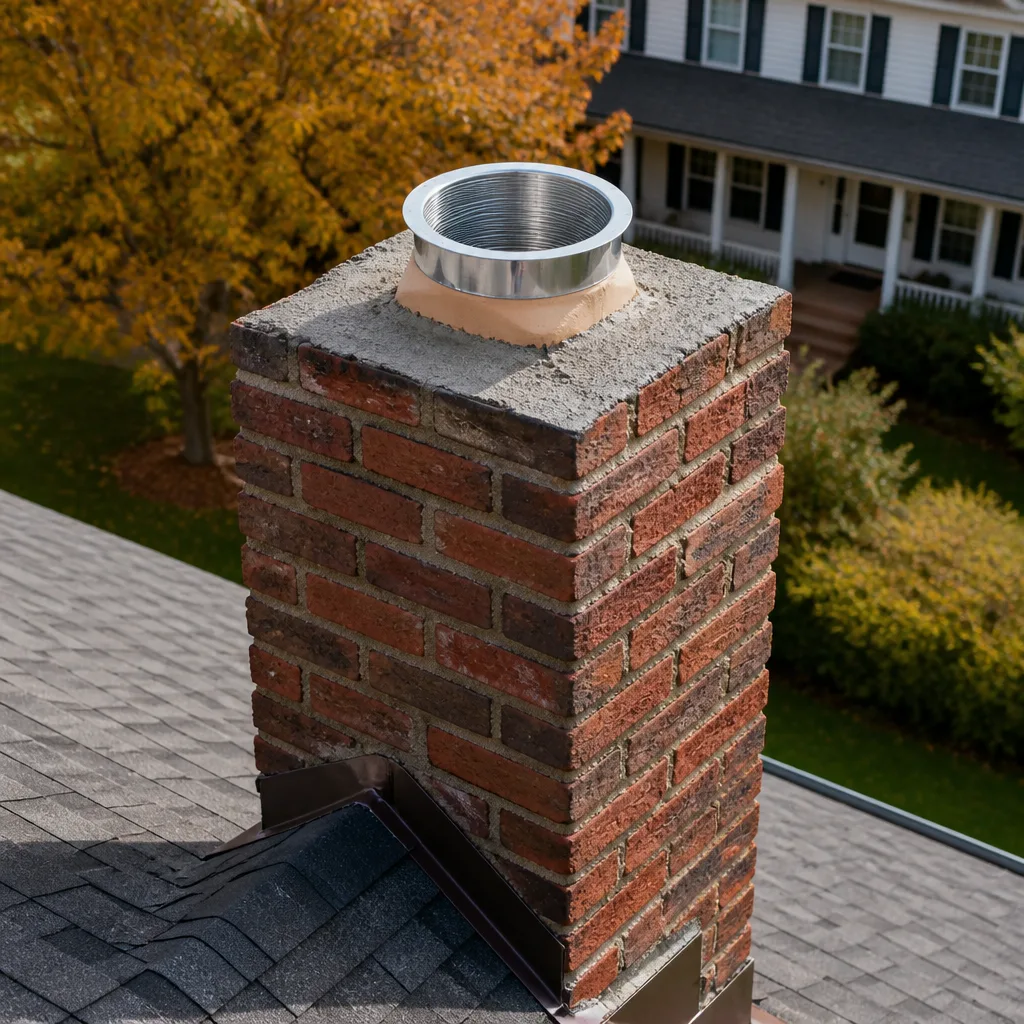 Flue relining
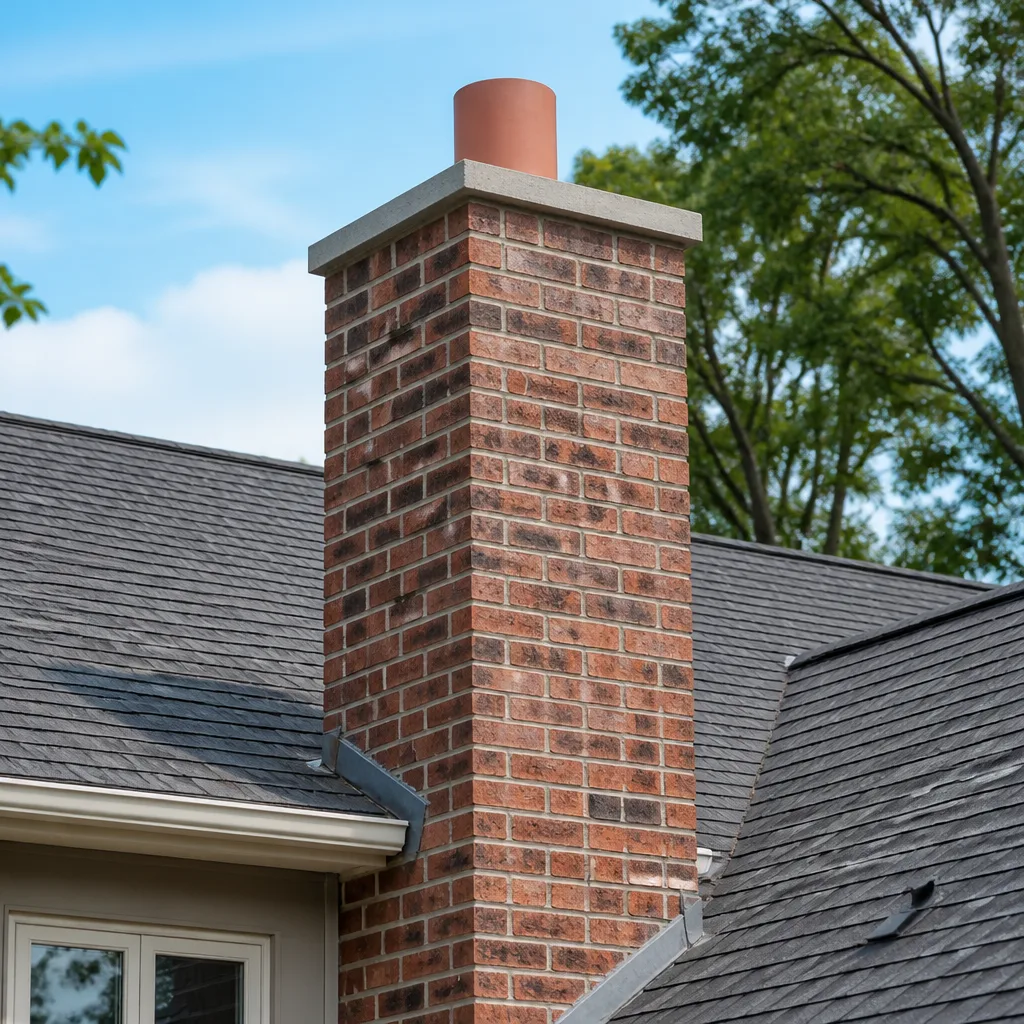 Masonry repair
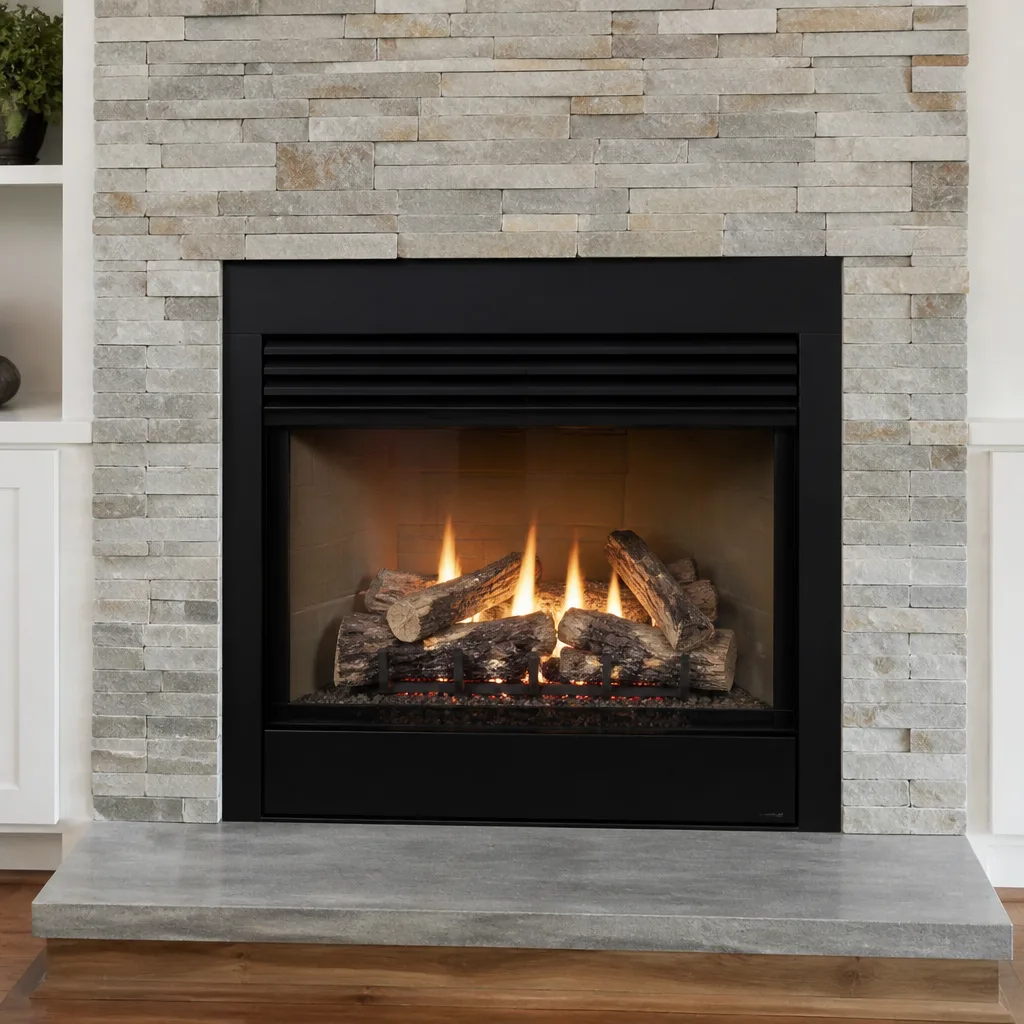 Gas fireplace service
Level 1 sweep and inspection to the NFPA 211 annual standard - flue, crown, cap, and flashing checked and photographed
Chimney sweep logs do not sweep chimneys. They loosen some creosote - which then falls where a brush and vacuum still have to collect it.
Seasonal Chimney Cleaning Care for Garden Grove: Year-Round Homeowner’s Guide
October is the month most homeowners think about their chimney, which is exactly why October is the worst month to book a sweep. By the time the first cold snap hits, appointment calendars are full, and your flue has already spent a whole summer collecting debris from June’s marine layer damp and August’s dry, dusty winds. Garden Grove doesn’t follow the fall-only chimney calendar that national checklists push. Our fire season, Santa Ana wind patterns, and near-zero frost days set a different rhythm entirely. This guide lays out a month-by-month framework built around what Southern California weather actually does to a chimney, so you’re cleaning and inspecting on the schedule your house needs, not the one a generic blog recommends.
Styles & brands we work with
- Sweep & inspection
- Caps & crowns
- Flue relining
- Masonry repair
- Gas fireplace service
Quick Answer
The best time to schedule chimney cleaning in Garden Grove is late summer, ideally August into early September, before fire season peaks and before the autumn booking rush. A second light service window in March or April handles post-season cap and crown checks. Year-round, the two things that matter most are keeping the flue clear of creosote and keeping water out of the masonry. Everything else in this guide builds on those two priorities.
Table of Contents
- Why Garden Grove’s Chimney Calendar Doesn’t Match National Advice
- Late Summer: The Optimal Service Window
- What Marine Layer Moisture Does to Mortar and Dampers
- Santa Ana Wind Event Protocol
- Spring Tasks That Prevent Off-Season Damage
- How Drought and Dry Heat Affect Chimney Masonry
- The Month-by-Month Framework
- When to Call a Professional
Why Garden Grove’s Chimney Calendar Doesn’t Match National Advice
Most chimney care guides are written for climates with hard winters, where the furnace runs from October to April and the chimney gets a clean in early fall before the heating season starts. Garden Grove doesn’t work that way. We have near-zero frost days, a long dry stretch from late spring through fall, and a fire season that overlaps with the months other regions treat as offseason. That flips the logic of when to service a chimney.
In a cold-winter climate, the sweep happens before the furnace gets heavy use. Here, the heaviest fireplace and wood-stove use often runs into December and January, but the buildup that causes problems accumulates through the dry months when the chimney is idle. Creosote doesn’t wait for you to light a fire. Debris, nesting material, and soot settle in a flue that sits unused through summer. Bird and rodent activity peaks in spring and early summer. By the time you want to burn, the flue has had months to collect things you’d rather not ignite.
There’s also the demand curve. When the first genuinely cool evening arrives in Garden Grove, every homeowner with a fireplace calls at once. Booking a chimney sweep in that window means waiting, and waiting means the first fire of the season happens in a flue you haven’t had checked. Getting ahead of that curve is the single highest-value scheduling decision a Garden Grove homeowner makes all year.
One more local factor: coastal fog that rolls inland on summer mornings leaves a fine film of moisture on exterior masonry. It doesn’t sound like much. Over a full season, it matters. We’ll get into that in its own section, but it’s part of why a fall-only schedule misses the real wear pattern here.
Late Summer: The Optimal Service Window
August and early September are the sweet spot for chimney cleaning in Garden Grove. By then, the summer’s accumulation is fully settled in the flue, fire season hasn’t peaked, and the booking calendar hasn’t filled. You get a thorough sweep and inspection exactly when the information is most useful, and you have time to act on any repair recommendation before you need the fireplace.
Here’s the reasoning, laid out step by step:
- The flue has finished accumulating. Spring nesting, summer dust, and any debris from the dry months are all in by late summer. Sweeping earlier means you might sweep twice.
- Fire season is on the horizon, not on top of you. If the inspection turns up a cracked crown or a deteriorated flue tile, you have weeks to schedule repair, not days.
- The booking rush hasn’t started. October and November fill up fast. August appointments are easier to get and easier to fit around your schedule.
- You learn what you’re working with before the season. A documented inspection gives you a baseline you can compare against next year.
A sweep in late summer also pairs naturally with the cap and crown work that protects everything underneath. Water intrusion is the slow killer of chimneys in Southern California, and late summer is the right time to check that the cap is intact and the crown isn’t cracked before the first rain. If you’ve had a cap or crown job done before, checking it now means small problems get caught before they turn into masonry damage.
The exception is a chimney you’ve never had inspected, or one that’s been sitting for years. In that case, book whenever you can, but treat it as a discovery appointment, not a routine maintenance visit. Our technicians have up to 13 years of experience, and the first inspection on an unfamiliar chimney is always the most informative one.
What Marine Layer Moisture Does to Mortar and Dampers
The marine layer that brings “May Gray” and “June Gloom” to the region isn’t just an inconvenience for beach plans. It pushes moist, cool air inland overnight and into the morning, and that air settles on exterior chimney surfaces and works its way into mortar joints. Over a Southern California summer, that daily wetting and drying cycle is the quiet cause of a lot of the mortar deterioration we see.
What actually happens:
- Mortar joints absorb moisture. Brick and mortar aren’t equally porous. Mortar is softer and takes on water more readily, and repeated damp mornings followed by afternoon sun stress the joint.
- Damper hardware corrodes. The metal damper assembly sits inside the firebox, where moist air lingers. Rusted dampers stick, and a damper that won’t open fully is a drafting problem and a safety issue.
- Creosote softens and re-hardens. If there’s residue in the flue, moisture cycles make it tacky, then dry it into a harder glaze. Glazed creosote is tougher to remove and more of a fire risk.
- Crowns and caps take the brunt. The top of the chimney sees the most moisture exposure. A hairline crack in the crown becomes a channel for water once the wet season arrives.
This is why a late-summer inspection is more than a brush-out. We’re looking at the whole assembly: flue condition, damper operation, crown integrity, and cap fit. If the flue tiles are deteriorating, HeatShield resurfacing can restore them without a full reline, which is a meaningful option when the damage is surface-level rather than structural. We’ll show you what we found, including photos, so you can see the difference between “needs watching” and “needs work now.”
The practical takeaway: don’t wait until the first rain to think about water. By then, the moisture has already been working on the mortar for months.
Santa Ana Wind Event Protocol
Santa Ana winds are the local weather event that most directly threatens a chimney, and most homeowners don’t think to check theirs afterward. These dry, gusty offshore winds can hit Garden Grove hard, and the chimney is one of the most exposed structures on the house. Wind doesn’t just blow around a chimney. It pushes on the cap, vibrates the flue, and can deposit debris in places that weren’t exposed before.
After a significant high-wind event, a visual check from the ground is worth doing. Here’s what to look at:
- The cap. Is it still sitting level? Has it shifted, tilted, or lost a section? A displaced cap lets water and animals in.
- Visible masonry. Look for new cracks in the crown or loose mortar at the top of the stack.
- Debris on the roof. Branches, leaves, and grit can land on or against the chimney. Clear what’s safe to reach from the ground; leave the roof to a professional.
- Interior signs. Check the firebox and the area around the damper for soot streaks, debris, or a smell of smoke that wasn’t there before the wind.
When to call a professional: if the cap is visibly displaced, if you see new cracking, if the damper won’t operate smoothly, or if you smell smoke inside the house when no fire is burning. Those are signs that need an inspection, not a guess. Wind damage to a cap is a water-intrusion problem waiting to happen, and a cap that’s come loose is an animal entry point.
Santa Ana season overlaps with fire season, so a wind event often comes with dry conditions that make any flue issue more consequential. Getting the chimney checked after the wind, rather than before the next fire, is the safer order of operations.
Spring Tasks That Prevent Off-Season Damage
Once the burning season winds down in March and April, the chimney goes idle for months. That idle stretch is when a lot of damage quietly happens, and a short list of spring tasks prevents most of it. This is the second service window in the Garden Grove calendar, and it’s mostly about protection rather than cleaning.
The spring checklist:
- Cap inspection. Confirm the cap is secure and the mesh is intact. Spring is when birds and rodents look for nesting spots, and an open flue is an invitation.
- Animal exclusion. A properly fitted cap with intact mesh is the whole defense. If you’ve heard scratching or found nesting material, that’s a call-a-professional situation, not a DIY one.
- Waterproofing timing. If the masonry needs sealer or the crown needs coating, spring is the right window. You want it done before the marine layer sets in for the summer and before the wet season returns. Coating a crown in dry, mild weather gives it the best chance to cure properly.
- Damper and firebox check. A sticky damper caught in spring is a small repair. The same damper caught in October is a rush job.
Spring is also when a lot of fireplaces get their only real cleaning of the year, particularly for gas fireplaces that don’t produce creosote the way wood does but still collect dust, spider webs, and debris. Our fireplace repair service handles the firebox and damper side of this, and it pairs naturally with the cap and crown work that keeps water out.
One thing to avoid: don’t seal or coat a chimney in the middle of a wet stretch. Waterproofing applied to damp masonry traps moisture rather than blocking it. Timing matters as much as the product.
How Drought and Dry Heat Affect Chimney Masonry
Most masonry care advice is written around freeze-thaw cycles, where water gets into a crack, freezes, expands, and widens it. Garden Grove doesn’t have that problem in any meaningful way. What we have instead is drought and sustained dry heat, and the damage mechanism is different: thermal cycling.
Here’s the idea. Masonry expands in heat and contracts as it cools. In a dry climate with big day-to-night temperature swings, that expansion and contraction happens constantly, and it happens most severely at the top of the chimney, where the crown sits fully exposed. Over a dry season, that cycling works on existing hairline cracks in the crown, widening them. The crown is the concrete or mortar cap at the very top of the chimney, and it’s designed to shed water away from the flue. Once it cracks, it does the opposite.
Solar exposure compounds it. A crown that faces full afternoon sun through a dry Orange County summer goes through more thermal stress than one in a shadier, wetter climate. Cracking that would take years in a cold climate can show up faster here.
What this means for you:
- Check the crown every year. It’s the most weather-exposed part of the chimney and the first thing to fail.
- Don’t ignore hairline cracks. A small crack is a coating job. A large one is a masonry repair. The gap between them is time.
- Time repairs for dry weather. Crown coating and masonry repair cure best in the dry stretch, which is another reason late summer and early fall are the right window.
When the crown needs work, the products matter. We work with Gelco and Olympia Chimney for crown and cap solutions, and we treat crown coating as a primary service rather than an add-on after the sweep. Protecting the structural investment you’ve already made is the point.
The Month-by-Month Framework
Here’s the full Garden Grove chimney calendar in one place. Treat it as a starting point, not a rigid rule; a chimney with heavy use or known issues needs more attention than the schedule suggests.
- January – February: Peak burning season. Watch for drafting problems, smoke spillage, and unusual smells. If something feels off, stop using the fireplace and get it checked.
- March – April: Post-season service window. Cap inspection, animal exclusion check, waterproofing and crown coating if needed, damper and firebox attention. This is when you set the chimney up to sit safely through the off-season.
- May – June: Marine layer season. Moisture works on mortar and damper hardware. Watch for rust on the damper and any damp smell in the firebox. No service needed unless something’s off.
- July: Dry heat sets in. Thermal cycling on the crown begins in earnest. Good month to eyeball the crown and cap from the ground.
- August – September: The main service window. Book the sweep and inspection now, while the flue’s accumulation is settled and the booking rush hasn’t hit. This is the appointment that carries you into the season.
- October – November: Fire season and the demand peak. If you didn’t book in late summer, book now, and expect to wait. Get the inspection done before the first fire.
- December: Full burning season. Keep an eye on draft and smoke behavior, and don’t burn anything other than seasoned wood.
For homeowners who want to go deeper on the sweep itself, our Garden Grove Chimney Sweep page lays out what the appointment involves. The core services, sweep, inspection, chimney repair, fireplace repair, and cap and crown installation, are all handled under one roof, so a recommendation from the inspection doesn’t turn into a referral elsewhere.
Common Mistakes to Avoid
- Booking the sweep in October like everyone else. You’ll compete for appointments during peak demand and risk starting the season with an unchecked flue. Late summer avoids the crunch entirely.
- Assuming a mild climate means less chimney care. Near-zero frost days don’t mean the chimney is idle. Dry heat and marine moisture do their own kind of wear, and the flue still accumulates.
- Ignoring the crown because the chimney “looks fine” from the yard. Crown cracks start as hairlines you can’t see from the ground. An inspection catches them while they’re still a coating job.
- Skipping the post-wind check after a Santa Ana event. A displaced cap or new crack is easy to miss and expensive to ignore. A quick look after a big wind is worth the five minutes.
- Treating waterproofing as a fall task. Coating damp masonry in the wet season traps moisture rather than blocking it. Spring and early summer are the right timing here.
- Burning unseasoned wood to stretch the supply. Wet wood produces more creosote, which is the thing you’re sweeping out in the first place. Seasoned wood is cheaper than a flue fire.
- Choosing a sweep on price alone. A lowball quote that skips the inspection or uses the wrong liner materials for an offset flue costs more in the long run. Ask what brands they work with and whether the inspection is documented.
When to Call a Professional
Some chimney work is routine and can be scheduled. Some needs a call now. Get a professional involved if any of these apply: smoke spills into the room when you light a fire, the damper won’t open or close smoothly, you smell smoke inside the house with no fire burning, you’ve had a chimney fire (even a small one), the cap is displaced or missing, you see new cracks in the crown or loose mortar, you’ve heard animals in the flue, or it’s been more than a year since the last inspection.
None of these are things to diagnose from the ground or patch with a hardware-store product. A documented inspection with photos tells you what’s actually going on, and it’s the difference between a repair you can plan for and a problem you discover at the worst moment.
Garden Grove Chimney Sweep offers free estimates in Garden Grove – call (877) 492-3690. We answer 24/7. Fast dispatch from 7am to 7pm, Sunday through Friday. Our technicians have up to 13 years of experience, and we’ll show you what we found before recommending anything.
Frequently Asked Questions
Once a year for most wood-burning fireplaces, and more often if you burn heavily or notice drafting problems. The late-summer window in August or September is ideal because it catches the season’s accumulation before fire season and before the booking rush. Gas fireplaces need less frequent sweeping but still need an annual inspection to check the damper, firebox, and venting. Call (877) 492-3690 for an exact quote – estimates are free.
Not always. A deteriorated flue tile doesn’t automatically mean a full reline; HeatShield resurfacing can restore the flue in many cases and extend its life without the cost of a full liner replacement. The only way to know which you need is a documented inspection with camera evidence. We won’t recommend a liner you can’t see the justification for, and we’ll tell you plainly when a repair can safely wait.
Creosote and debris build up in the flue, and glazed creosote is a genuine fire risk. You also lose the annual inspection that catches crown cracks, cap damage, and damper problems while they’re still small. Skipping a year doesn’t always cause immediate trouble, but it removes the early warning that makes chimney maintenance cheap. Call (877) 492-3690 to get back on schedule – estimates are free.
Only after a visual check. Look at the cap from the ground, check for new cracks or loose mortar, clear any debris you can safely reach, and inspect the firebox and damper area for soot streaks or smells. If the cap is displaced or the damper won’t operate smoothly, don’t burn until a professional has looked at it. Call (877) 492-3690 if anything looks off.
Spring or early summer, when the masonry has had a chance to dry out and the marine layer hasn’t set in for the season. Waterproofing applied to damp masonry traps moisture instead of blocking it. Crown coating follows the same timing rule. If you’re not sure whether the crown needs coating or a full repair, an inspection will tell you.
You can and should do a ground-level visual check after wind events and at the start of each season. What you can’t do safely is inspect the flue interior, the damper assembly, or the crown up close. Those need a professional with the right tools and a camera. Call (877) 492-3690 for a documented inspection – estimates are free.
The Bottom Line
Garden Grove’s chimney calendar runs on Southern California weather, not the fall-only schedule national guides recommend. The two priorities are keeping the flue clear of creosote and keeping water out of the masonry, and both are best served by a late-summer sweep and inspection followed by a spring protection check. Santa Ana winds and summer drought add their own maintenance calls, and a crown crack caught in August is a coating job while the same crack caught in December is a masonry repair. Book ahead of the October rush, know what your chimney is doing before the season, and get a professional involved when the signs point that way.
Call (877) 492-3690 for a free estimate. We answer 24/7. Fast dispatch from 7am to 7pm, Sunday through Friday.
Written by the team at Garden Grove Chimney Sweep.
See the difference
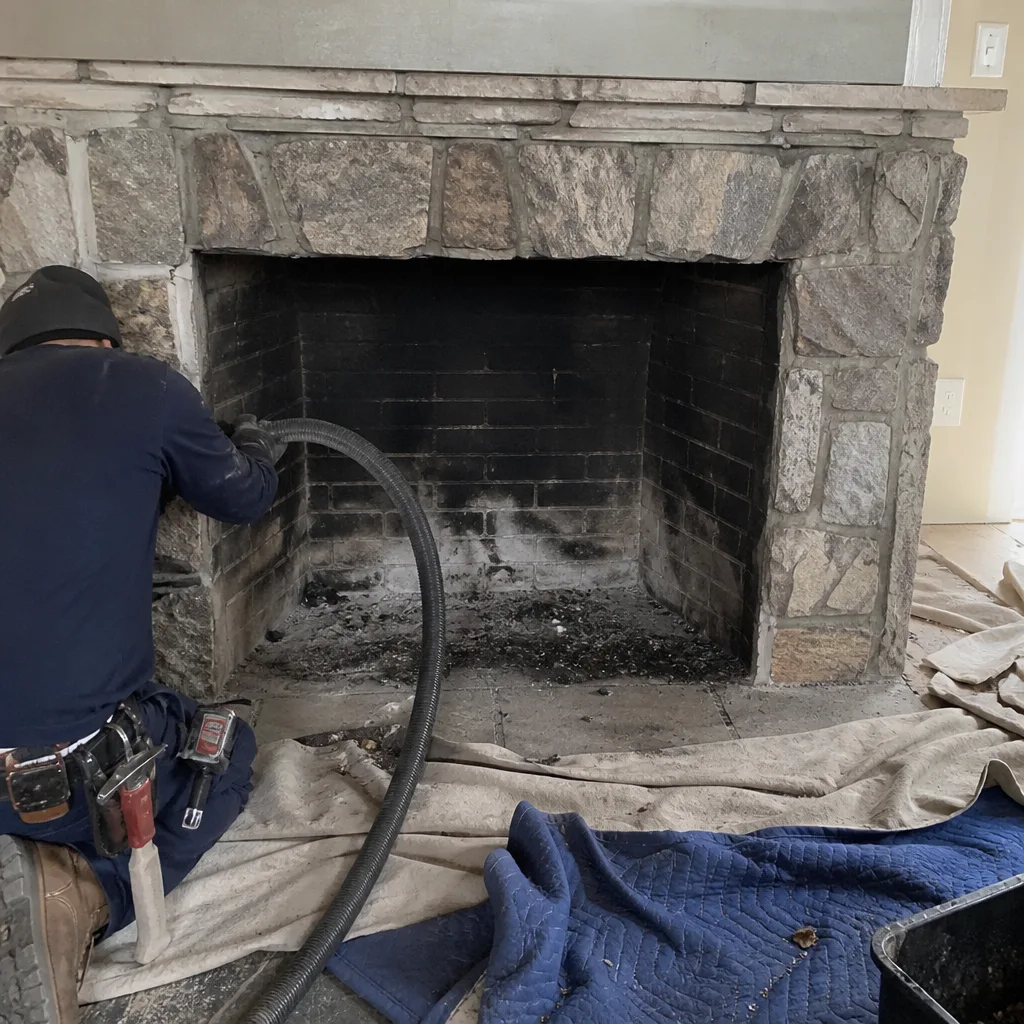 Before
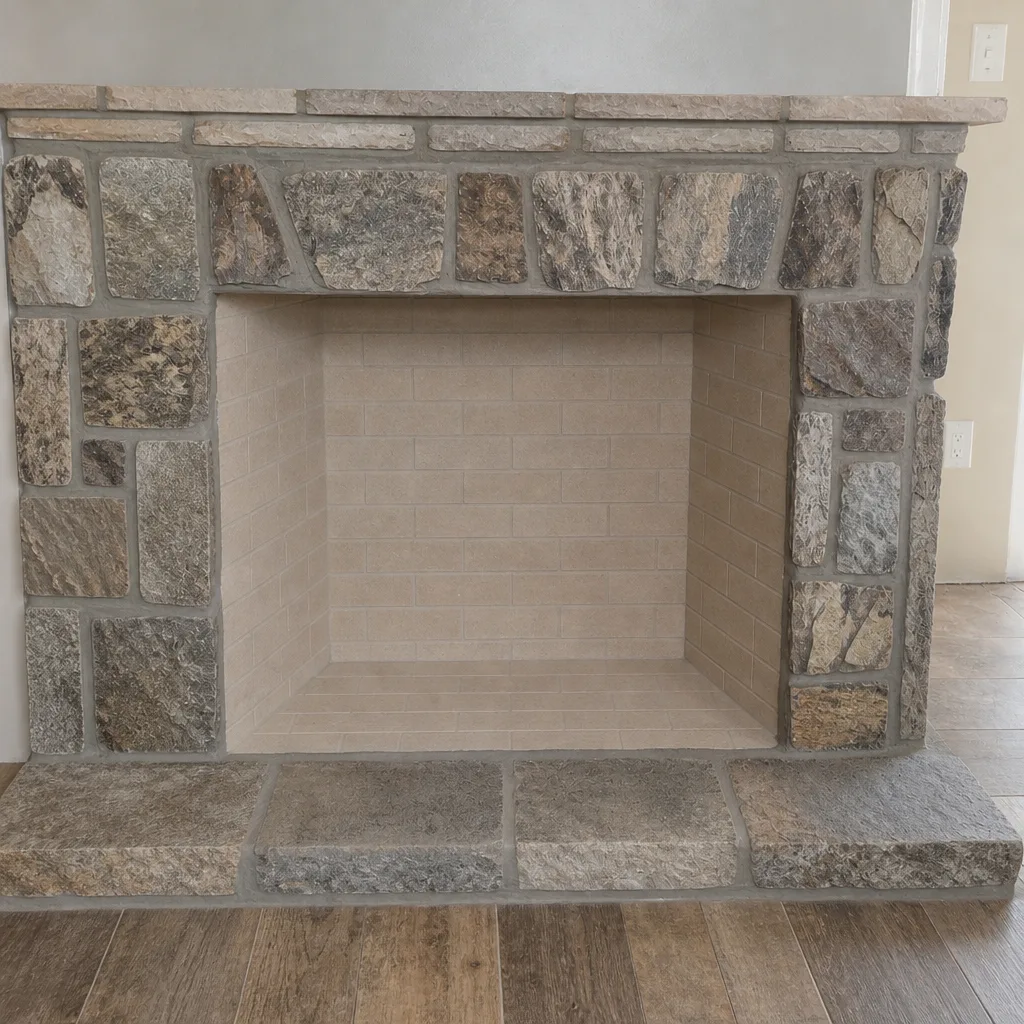 After
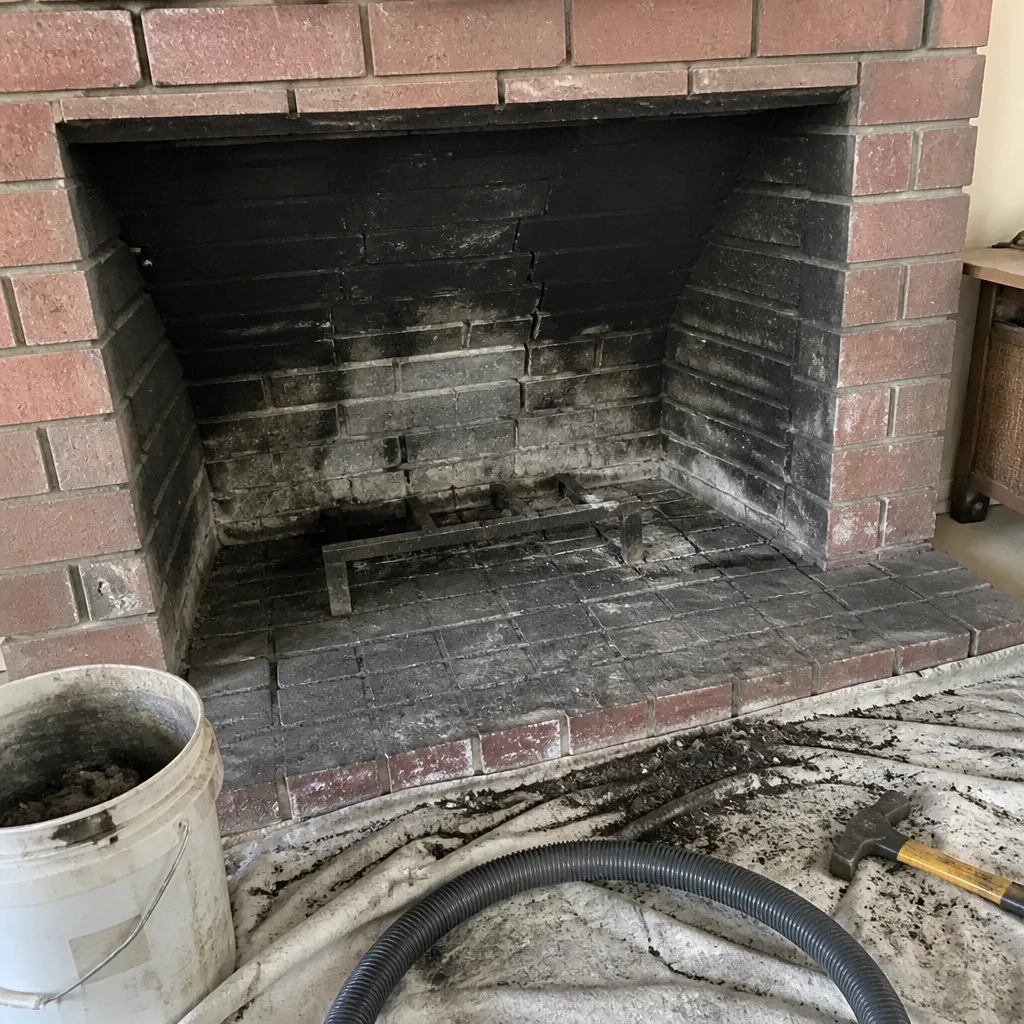 Before
 After
 Before
 After