
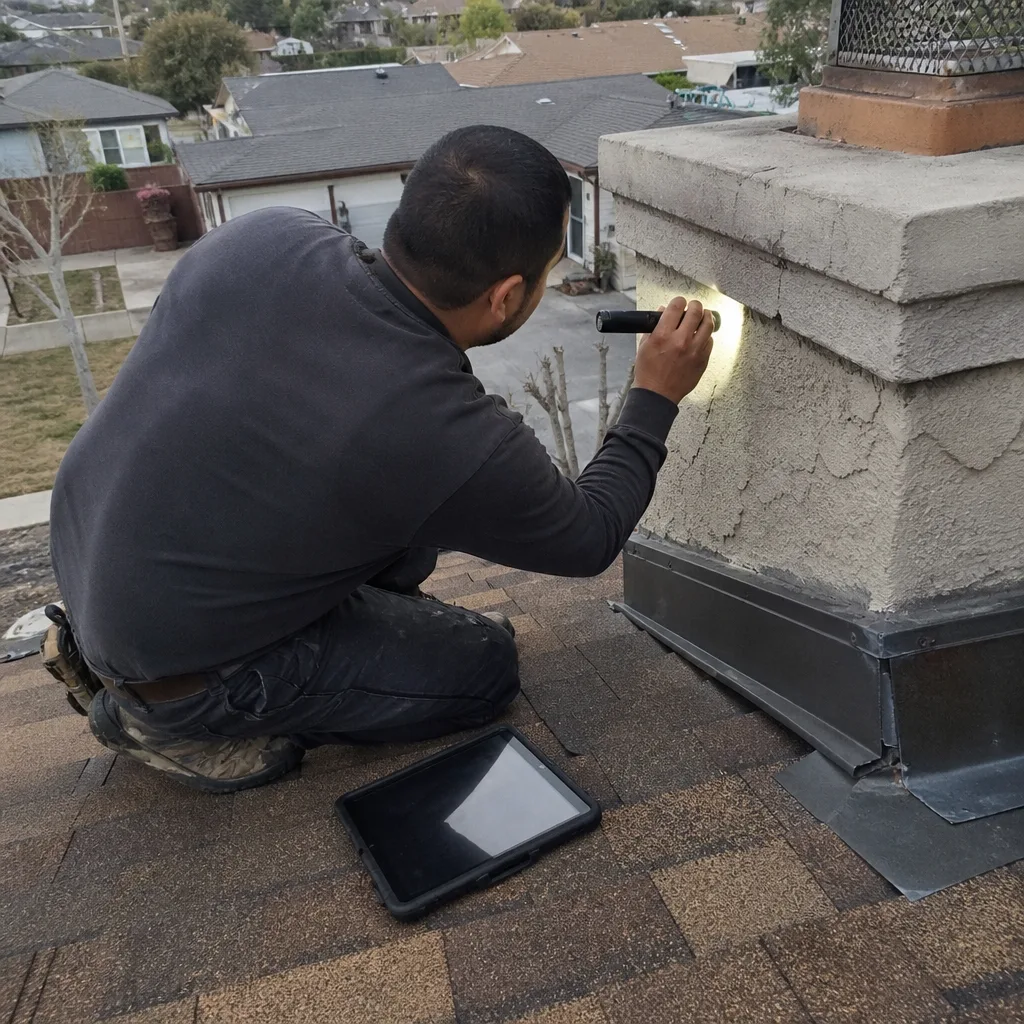
 Sweep & inspection
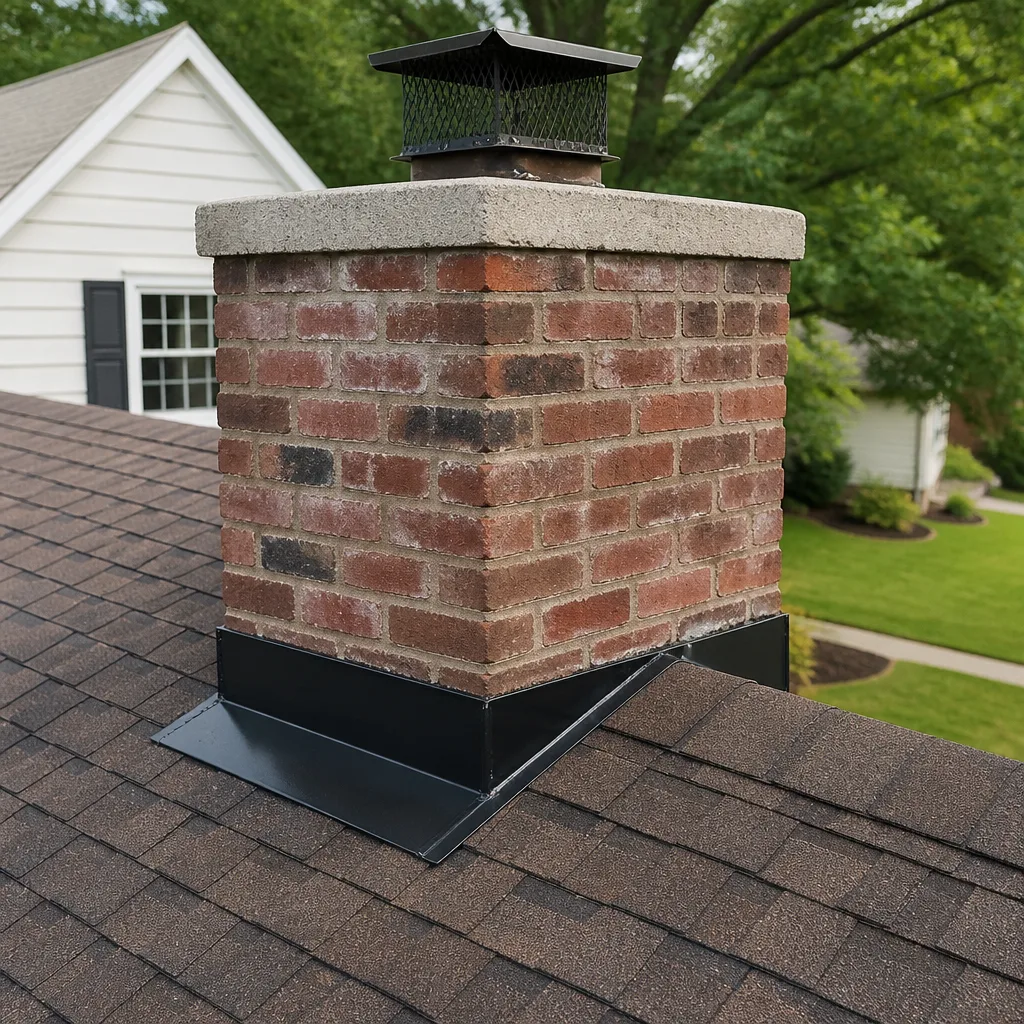
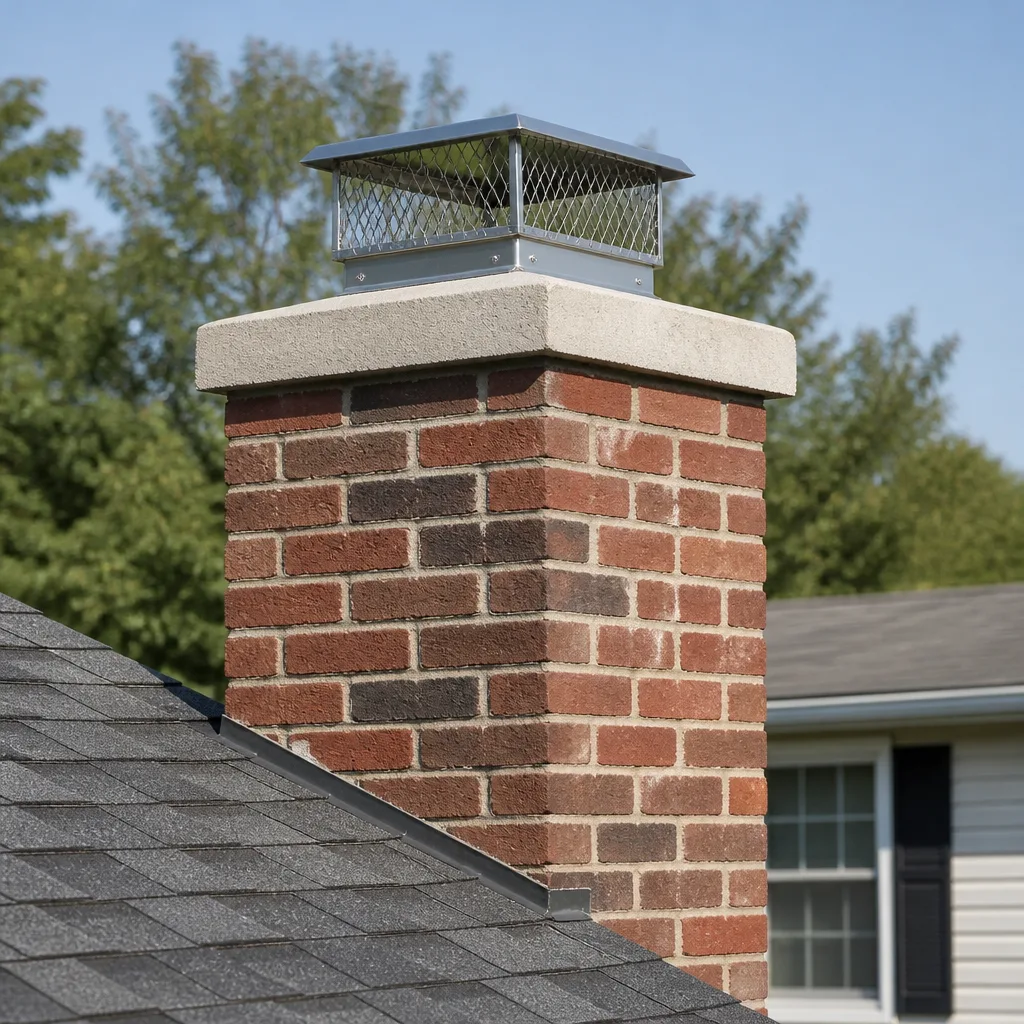 Caps & crowns
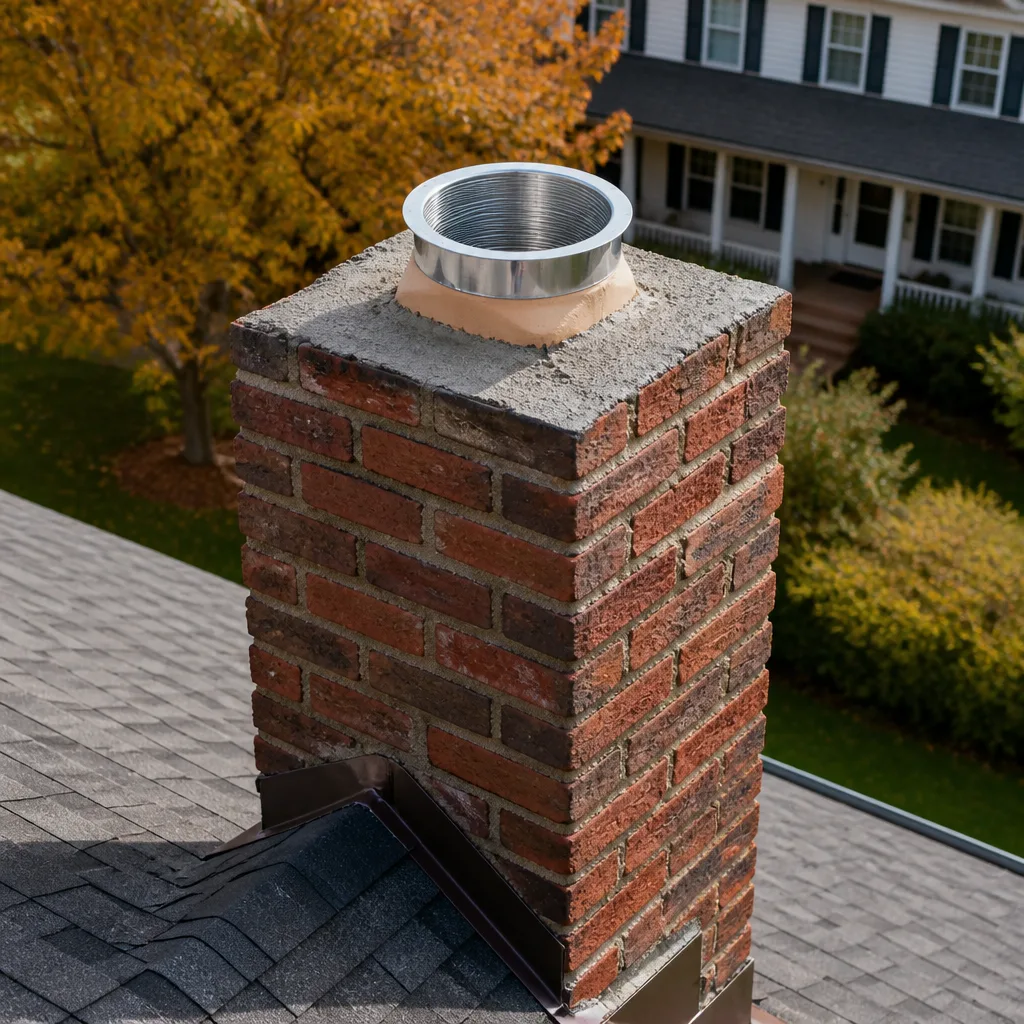 Flue relining
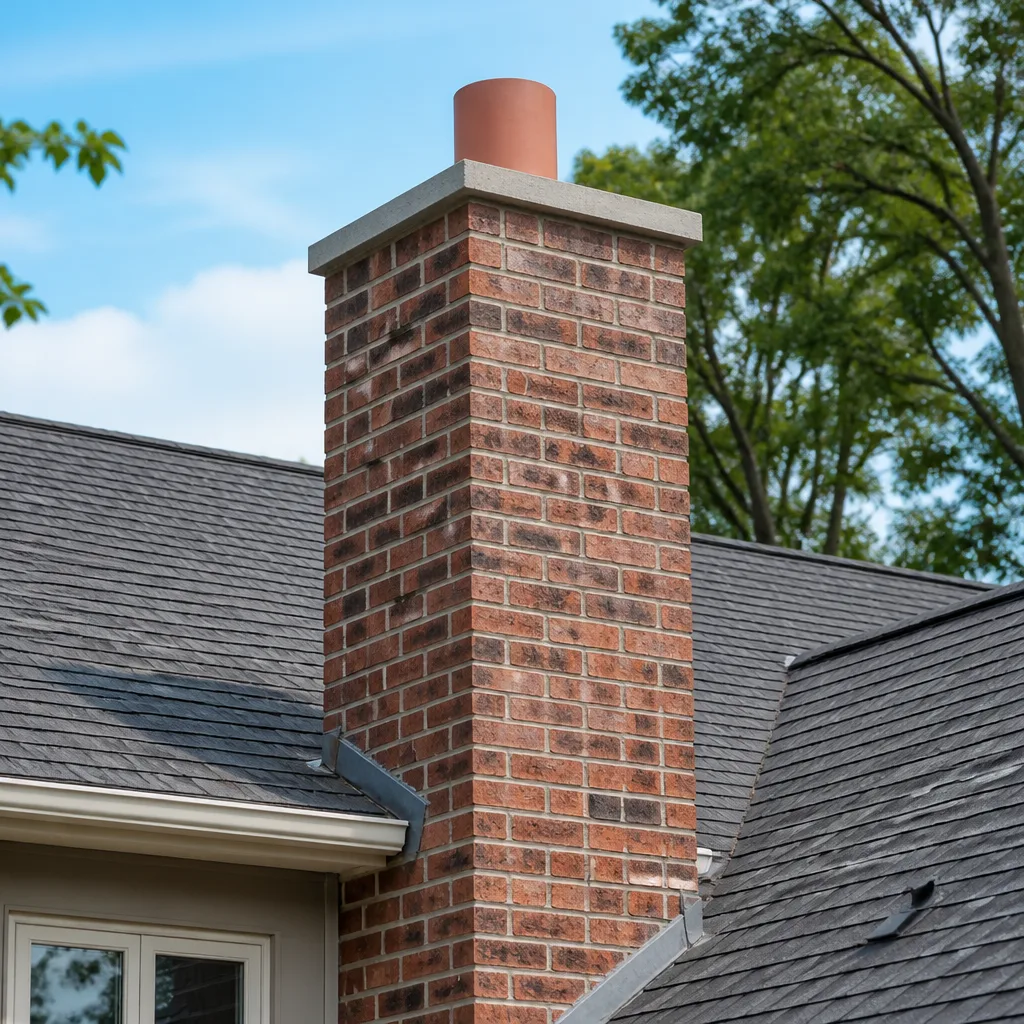 Masonry repair
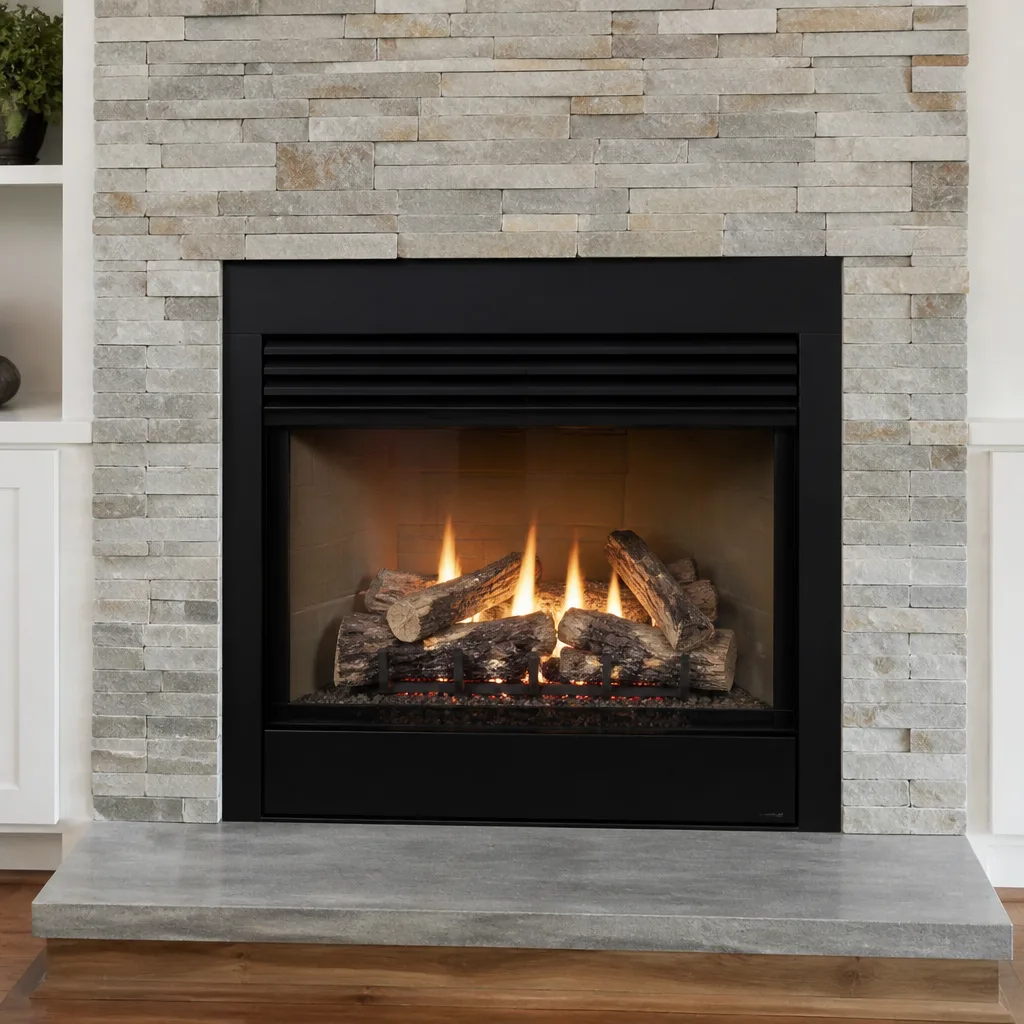 Gas fireplace service
Level 1 sweep and inspection to the NFPA 211 annual standard - flue, crown, cap, and flashing checked and photographed
Chimney sweep logs do not sweep chimneys. They loosen some creosote - which then falls where a brush and vacuum still have to collect it.
Fast, Reliable Chimney Inspection Across Seal Beach
If you live in Seal Beach and your fireplace has sat cold since last winter, the smartest thing you can do before the first fire of the season is get the chimney looked at by someone who understands what salt air does to a stack. We inspect chimneys across Seal Beach, from the beach cottages along Ocean Avenue to the ranch homes off Seal Beach Boulevard and the factory-built fireplaces inside Leisure World. Coastal weather is hard on masonry, caps, dampers, and flashing, and an inspection is how you find out whether your chimney is sound before a storm finds the weak spot for you. Call (877) 492-3690 to book a chimney inspection. We answer 24/7. Fast dispatch from 7am to 7pm, Sunday through Friday.
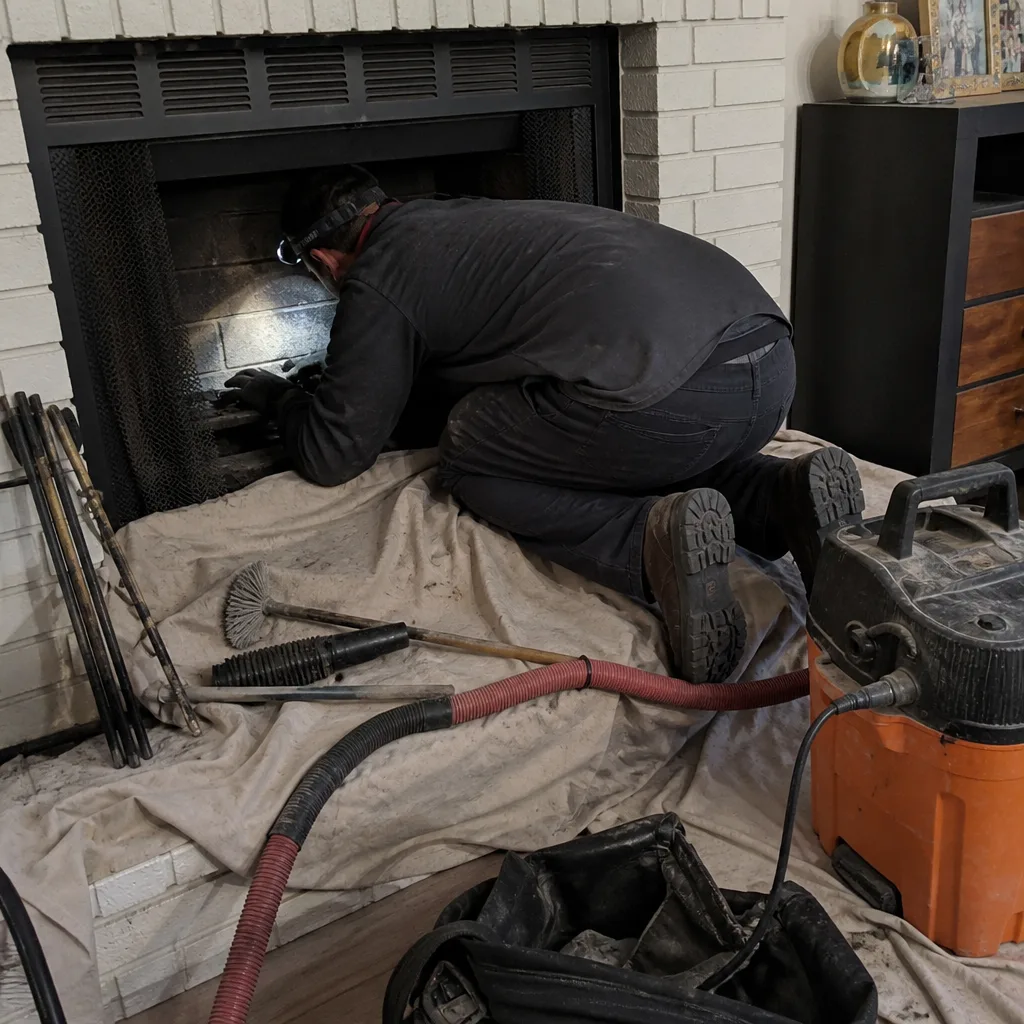
Why Seal Beach Homeowners Call Garden Grove Chimney Sweep for Chimney Inspection
Seal Beach is a small town and word travels. Homeowners here call us because we show up prepared with the right materials and equipment for the job, and because we document what we find instead of guessing at it. Our technicians have up to 13 years of experience, and they know the difference between an inland Orange County chimney and one that takes onshore spray all year.
We built our inspection service around evidence. A chimney inspection here means camera work down the flue, probing the crown and flashing, and a written baseline of the flue and firebox condition before anyone recommends a dollar of repair. You’ll see the photos, and we’ll tell you plainly when a problem can safely wait. If a repair is needed, we carry professional-grade products from makers like HeatShield and DuraFlex, so the fix is built to last rather than patched to pass.
Response time to Seal Beach is quick because we know the streets and the housing stock. That matters more here than most places, since a home a few blocks from the surf can have a completely different chimney problem than the house next door. We serve Seal Beach regularly and we’re comfortable working on everything from century-old masonry fireplaces in Old Town to metal-flue factory fireplaces out in Leisure World.
Styles & brands we work with
- Sweep & inspection
- Caps & crowns
- Flue relining
- Masonry repair
- Gas fireplace service
Our Chimney Inspection Services in Seal Beach
The right inspection depends on your chimney, the reason you’re calling, and what the last report said. Here’s how the three levels work and when camera work earns its keep.
Level 1 Inspection
A Level 1 is the routine check you get with an annual sweep, covering the readily accessible parts of the fireplace and flue. For a newer Seal Beach home with no history of problems, it’s usually the right starting point before the first fire of the season. If we spot something that needs a closer look, we’ll tell you and move up a level rather than leaving it.
Level 2 Inspection
A Level 2 is the deeper look most mid-century Seal Beach ranch homes actually need after a storm or a long stretch of coastal fog. It covers the whole chimney, including the parts you can’t see from the firebox, and it’s what we use when there’s a ceiling stain, a spalled crown, or flashing that looks like it’s pulled away. This is the level a technician normally performs when salt-laden moisture has had years to work on the masonry.
Level 3 Inspection
A Level 3 is a targeted inspection for a specific known problem, such as a suspected hidden crack or a damaged section that requires opening up part of the chimney to see. We recommend it only when the evidence points somewhere we can’t reach with a camera. Nobody quotes a Level 3 here without showing you why it’s needed.
Camera Inspection
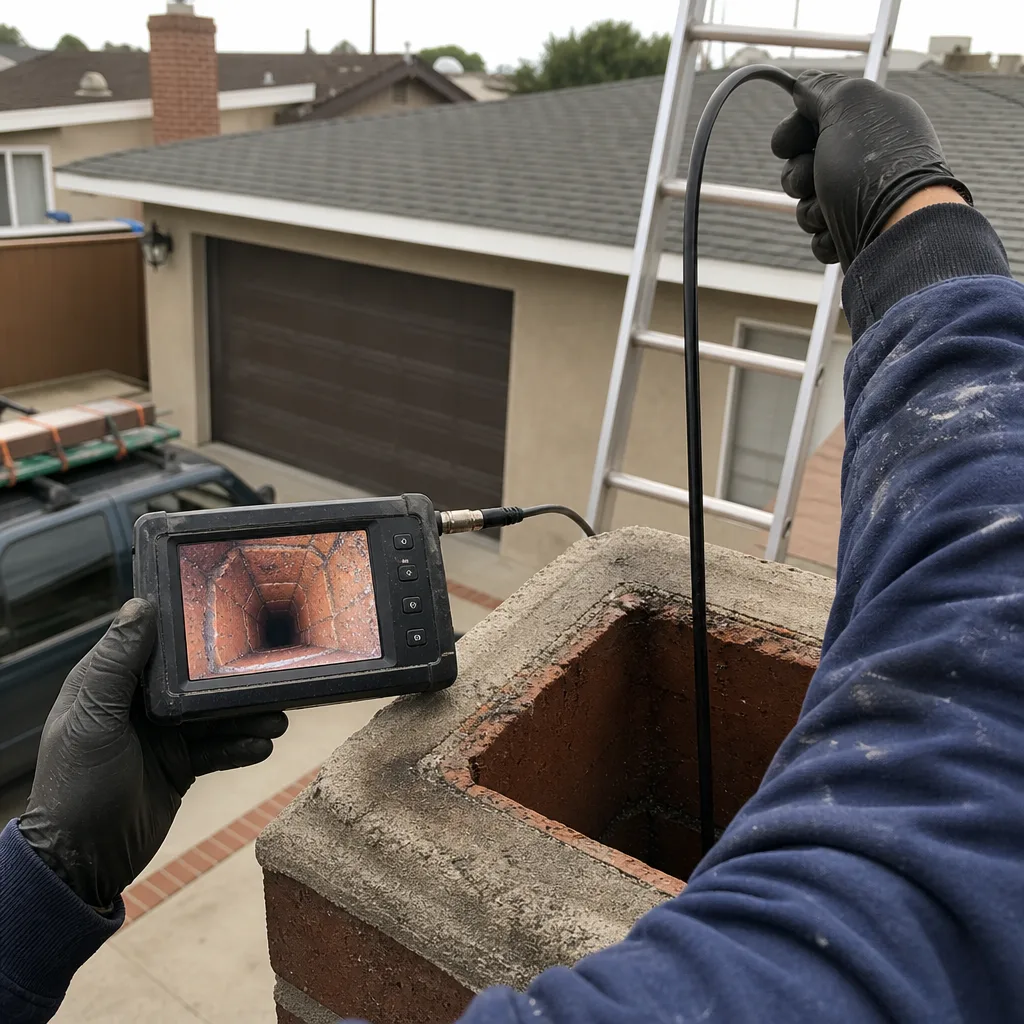
Camera work down the flue liner is how we find what a brush can’t reach: a blocked flue packed with dry leaves after a Santa Ana wind event, a separated liner joint, or failed sealant. On ocean-side Old Town homes, it’s also how we confirm whether rust and soot are just surface buildup or the flue itself is compromised. You get to see the footage, which means you can judge the problem for yourself.
Trusted Brands We Service in Seal Beach
We work with professional-grade chimney brands including HeatShield, DuraFlex, Gelco, Olympia Chimney, Famco, and Copperfield. That matters for Seal Beach because coastal chimneys call for materials rated to hold up under salt air and constant moisture, not the cheap imports that fail in a season. When an inspection turns up work that’s needed, we install and service products from those names so the repair holds. If it’s a brand we don’t handle, we’ll say so up front and point you in the right direction.
Common Chimney Inspection Problems We See in Seal Beach Homes
Here’s what turns up most often once we get a camera down the flue and eyes on the crown:
- Salt-spray corrosion on damper assemblies and firebox hardware. On ocean-side Old Town homes, decades of salt air can rust a damper shut, so the fireplace won’t seal or draft properly. A sweep alone won’t fix it, which is why the inspection has to check the hardware as much as the flue.
- Spalled crowns and hairline cracks. Coastal fog wets masonry and the salt in the air pulls it apart, opening cracks in the chimney crown. Storm-driven rain follows those cracks down to the flashing and shows up as a ceiling stain before you ever notice it at the firebox.
- Displaced or missing caps after wind events. Santa Ana winds can lift a light cap or pack dry leaves and debris deep into the flue. Only a camera inspection of the liner will confirm a blockage that a visual check from below can’t see.
- Metal flues in Leisure World factory-built fireplaces. The 1960s-era senior community homes here have factory-built fireplaces with metal flues that need a different inspection than an original masonry stack. We check the joints and firestop details those flues depend on.
Pricing for Chimney Inspection in Seal Beach, CA
A typical Level 1 inspection in Seal Beach runs $90 to $150, and a Level 2 inspection with camera work usually runs $180 to $350. A Level 3, which requires opening up part of the chimney, typically starts around $400 and goes up from there depending on what has to be accessed. The ranges are estimates, not a quote, and the written estimate sets the final price. What moves you within the range is the level of inspection, whether the chimney is a masonry stack or a factory-built one, and how much camera work the flue requires. We’ll tell you plainly when a problem can safely wait and when it can’t. If an inspection is standing between you and a safe first fire this season, call (877) 492-3690 for a free estimate.
We Also Serve Cities Near Seal Beach
Seal Beach sits in a small coastal pocket, and we work the whole area around it, including Rossmoor, Los Alamitos, Westminster, and Cypress. The chimney problems just inland are a little different, less salt spray and more dry rot and debris, but our inspection approach is the same: camera evidence first, recommendation second.
See the difference
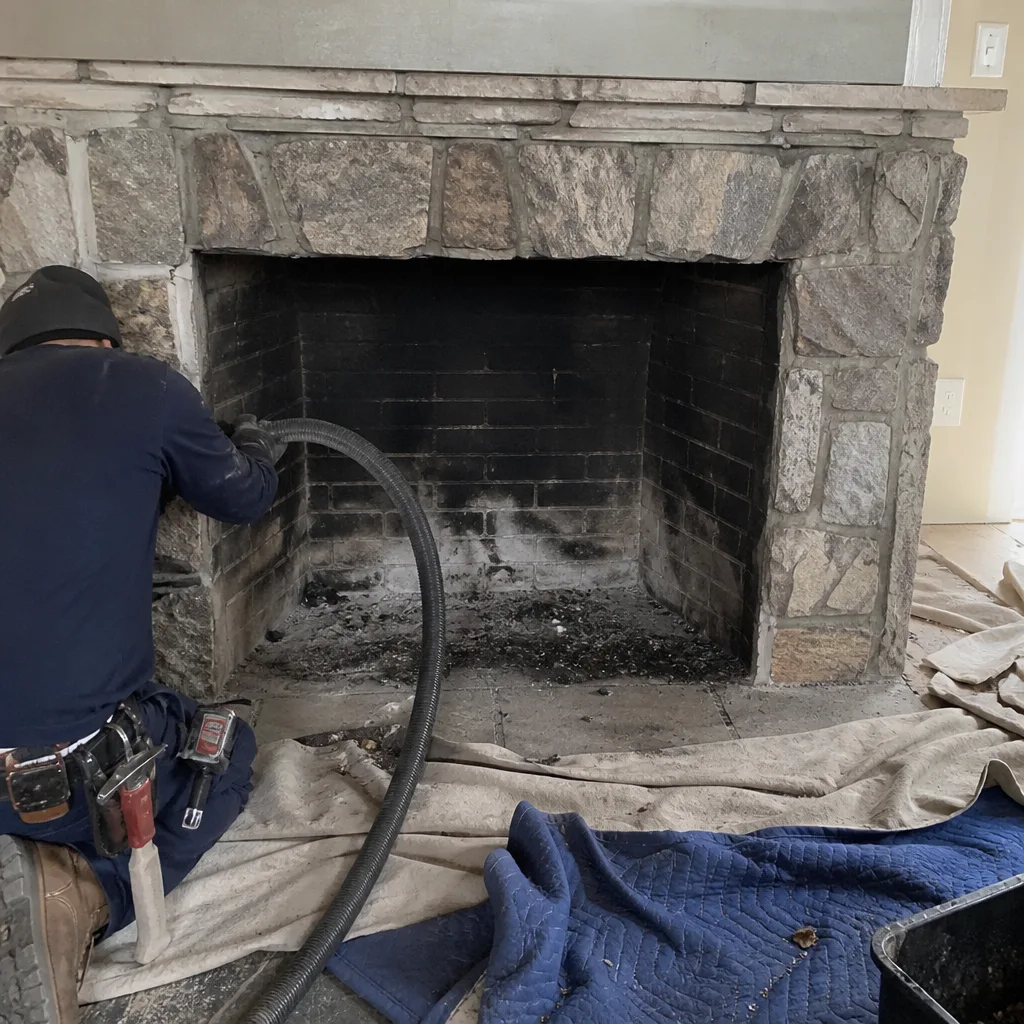 Before
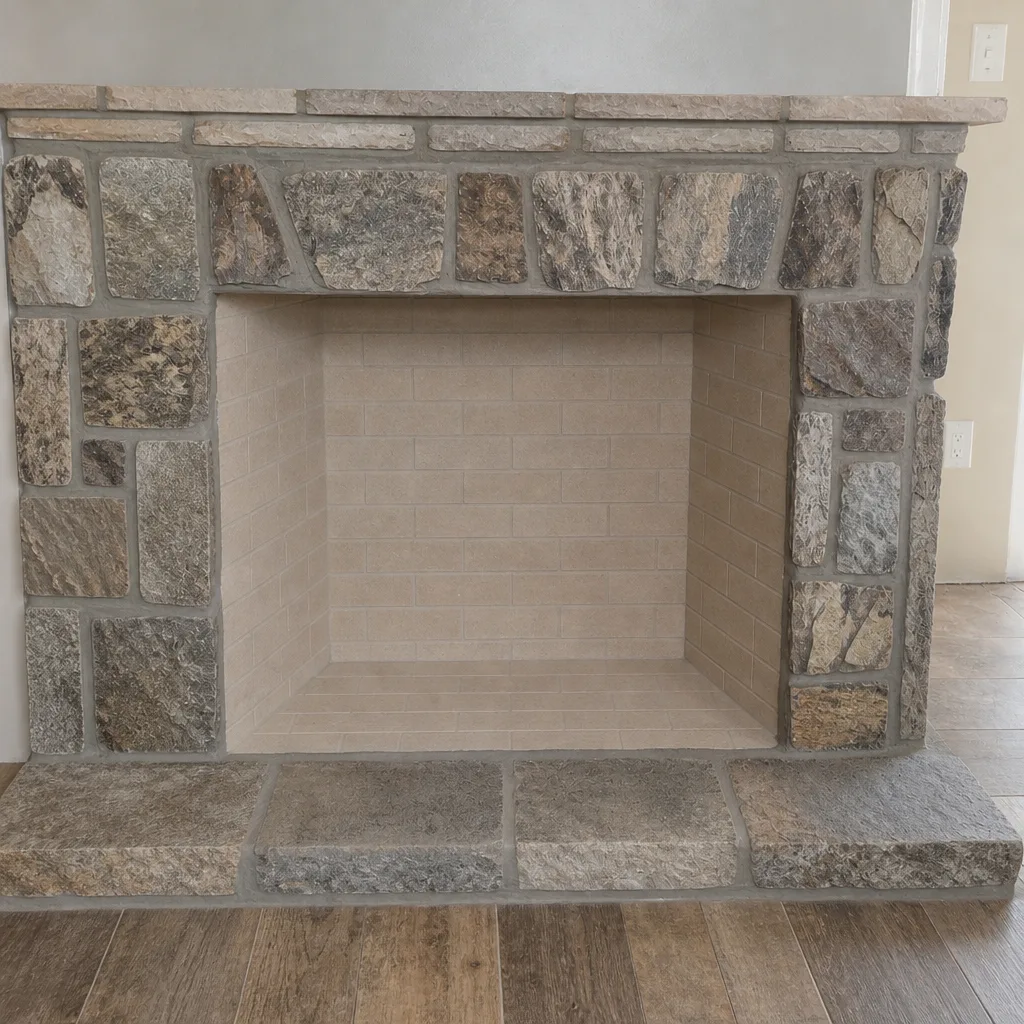 After
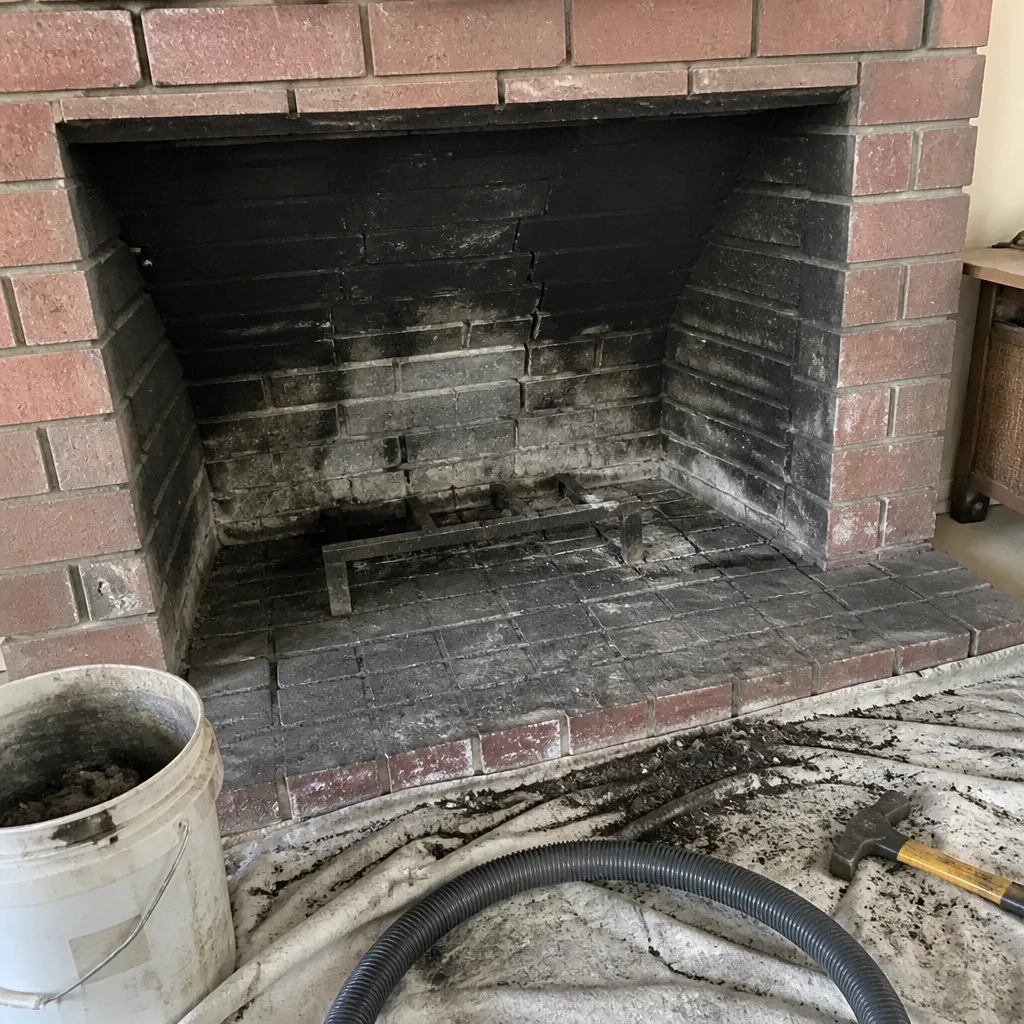 Before
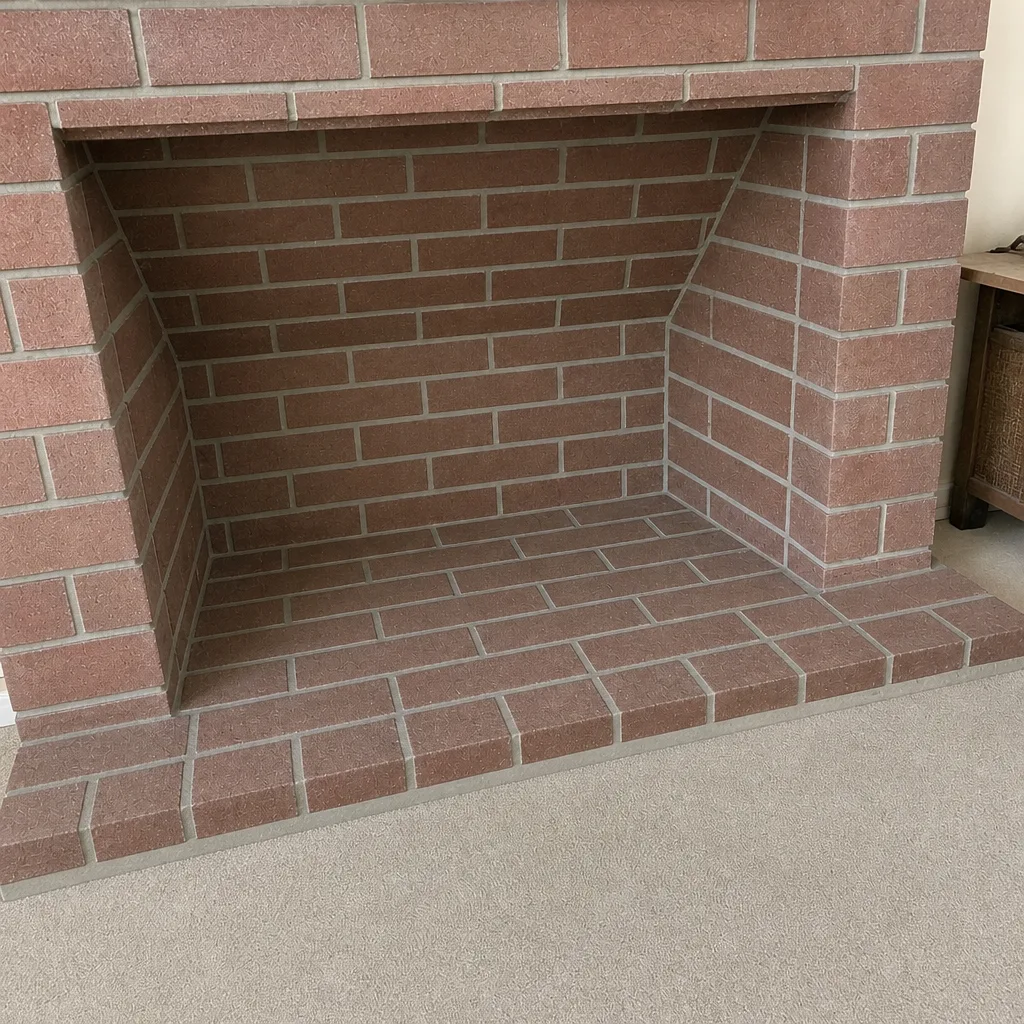 After
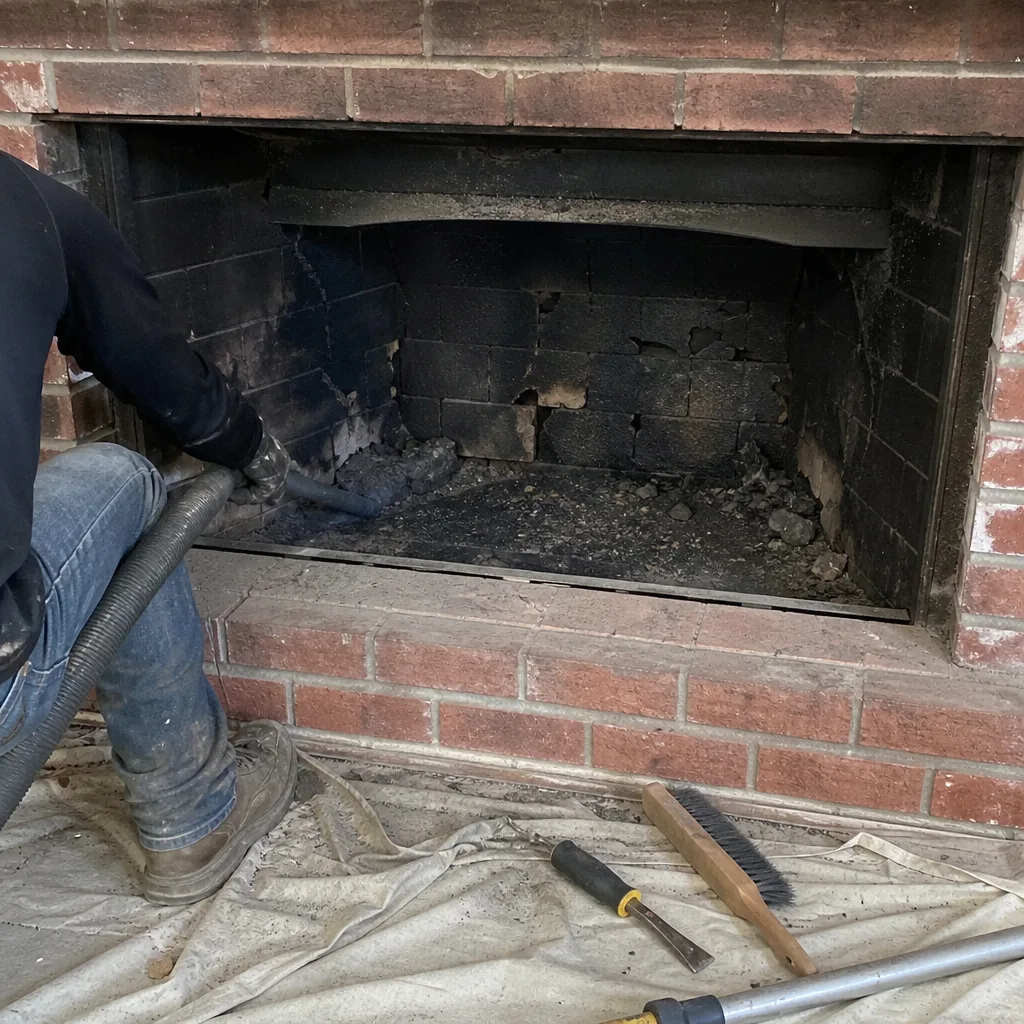 Before
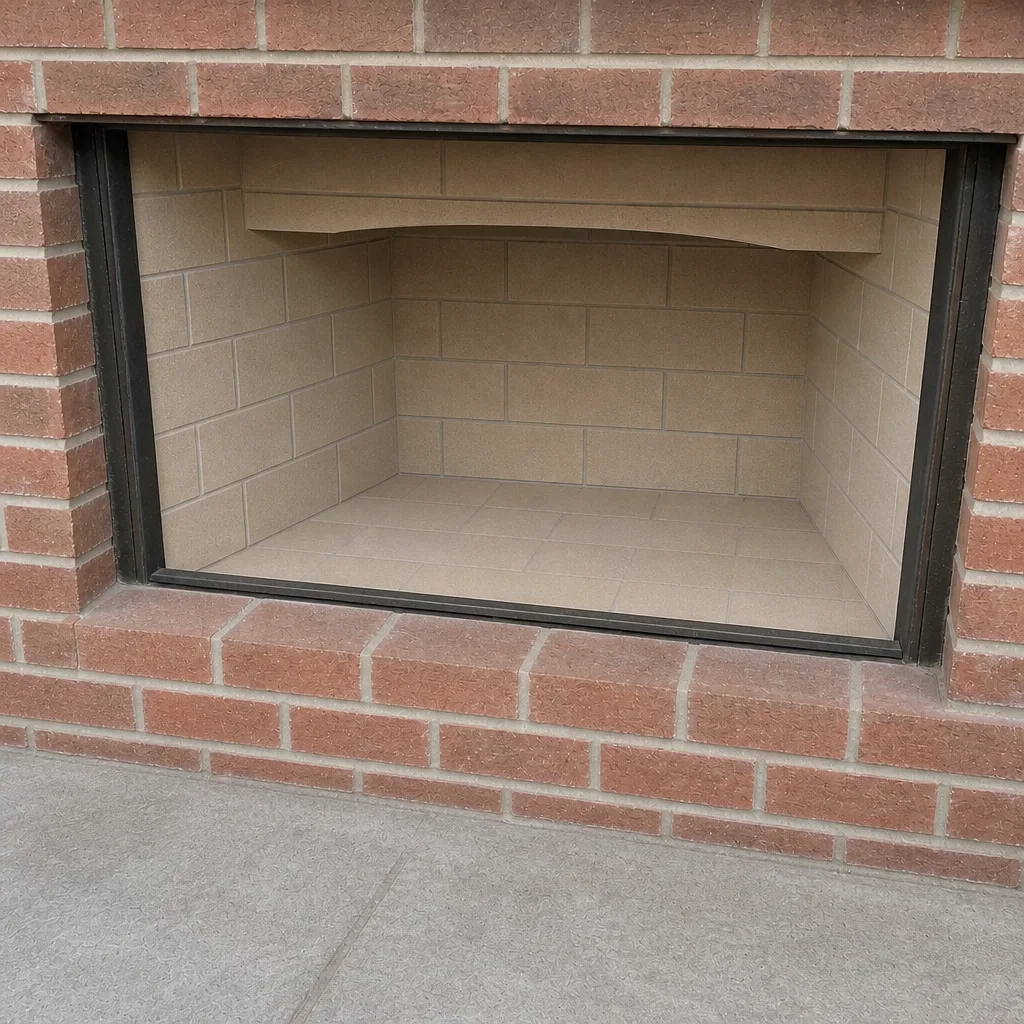 After
Serving Seal Beach, CA – Our Local Coverage Area
We serve Seal Beach and nearby communities. Use the map below to see the area we cover. If you’re nearby, we can almost certainly help.
FAQs – Chimney Inspection in Seal Beach
A dry firebox with a wet ceiling stain almost always points to a flashing failure or a cracked crown rather than a flue leak. Rain gets past the flashing where the chimney meets the roofline, runs down the outside of the masonry, and stains the ceiling before it ever reaches the firebox. In a beach cottage with an old exterior stack, that’s the first place a technician looks, and it’s why we probe the flashing on every Level 2 inspection here. Call (877) 492-3690 for an exact diagnosis and a free estimate.
It comes down to proximity to the surf and the prevailing onshore wind. On the ocean side of Ocean Avenue, salt spray hits the stack directly, rusting damper assemblies and eating at mortar joints, while the same age of home a few blocks inland looks sound by comparison. Before we even quote an inspection scope, we check wind direction and how close the chimney sits to the beach, because those two factors tell us what to expect. Call (877) 492-3690 to book an inspection that accounts for your specific exposure.
Usually not, if the home has an original masonry fireplace and any history of storms or ceiling stains. A Level 1 covers the readily accessible parts, but it can’t see the crown, the flashing, or down the flue liner. For a mid-century ranch here, a Level 2 with camera work is the inspection that actually answers the question. Call (877) 492-3690 and we’ll help you figure out which level fits your home.
Factory-built fireplaces use a metal flue rather than a clay-tile masonry liner, so the inspection checks different things: liner joints, clearances to combustible framing, and firestop details. The 1960s-era units here hold up well if they’ve been maintained, but a metal flue fails differently than masonry and needs a technician who knows what to look for. Call (877) 492-3690 for a free estimate on a Leisure World inspection.
No, a standard sweep won’t remove third-degree glazed creosote, and that’s exactly why the inspection comes first. Mild winters here mean fireplaces are used sporadically, which lets creosote build slowly and harden into a glaze that a brush can’t touch. A camera inspection finds it, and then we can talk honestly about resurfacing with HeatShield or relining with DuraFlex. Call (877) 492-3690 for an inspection before that glaze becomes a fire risk.
What Usually Happens After a Storm or a Foggy Stretch in Seal Beach
After a Santa Ana wind event or a run of coastal fog, a mid-century ranch with an original masonry fireplace often turns up with a cracked crown, a displaced cap, or flashing that has pulled away from the roofline. Sometimes it’s first noticed as a faint ceiling stain rather than anything at the firebox. The underlying cause is the same story told slowly: years of salt-laden marine moisture wicking into mortar, spalling the crown, rusting the damper assembly, until storm-driven rain finds a path past the flashing. A qualified technician typically performs a Level 2 inspection with camera work down the flue liner, checks the smoke chamber and damper for corrosion, probes the crown and flashing, and documents spalling before recommending any repair or sweep.
Here in Seal Beach, two chimneys of identical age a few blocks apart can be in completely different condition. Ocean-side stacks on the surf side of Ocean Avenue show heavy damper rust and crumbling crowns from salt spray, while an inland chimney of the same vintage looks sound. Proximity to the beach and prevailing onshore wind direction have to be assessed before an inspection scope is even quoted, and that’s the part most generic sweeps skip. It’s also why a ceiling stain here rarely means the same thing it would in Cypress or Westminster.
What to Check Before the First Fire of the Season
You don’t need to climb anything to prepare. A few simple checks from the ground floor catch a surprising share of problems before they matter. Open the damper and make sure it moves freely and seals – if it’s rusted shut or won’t hold, that’s a sign the hardware needs attention, not a sign to force it. Look up the flue with a flashlight for visible debris or a displaced cap. Check the ceiling and walls near the chimney for stains or discoloration. And if it’s been more than a year since the last inspection, get one booked before you light up. None of that replaces an inspection, but it tells you whether you have an urgent problem on your hands.
How the Inspection Works, and What We Show You
An inspection here is a documented process, not a quick look and a sales pitch. We start by talking to you about the chimney’s history, whether the home is a masonry stack or a factory-built unit, and whether anything changed after the last storm. Then we work through the fireplace, smoke chamber, damper, flue liner, crown, and flashing, with camera work where it’s warranted. Everything we find gets documented, and you get photos and a plain-language explanation before anyone mentions repair. If nothing needs doing, we’ll tell you that too. If a repair can safely wait a season, we’ll say so. The written estimate is what sets the final price, and there’s no charge to get one.
Why Coastal Storm Exposure Changes the Inspection
Most chimney inspection guides are written for inland homes, where the main worry is creosote buildup from steady winter fires. Seal Beach is a different problem. The marine layer keeps the air humid and corrosive year-round, the winters are mild enough that fireplaces get used in fits and starts, and the salt in the air attacks metal and mortar continuously. That combination means acidic soot and rust from condensation inside the flue are often the bigger concern than creosote, and storm exposure is what pushes a marginal chimney over the edge. Santa Ana winds drive debris into flues and can displace light caps, while coastal fog wets the masonry and promotes the spalling and efflorescence that eventually lets water in. We build every Seal Beach inspection around that reality, not a generic inland checklist.
Book Your Chimney Inspection in Seal Beach
If you’ve ever wondered whether the ceiling stain is serious, whether that rusted damper means a repair, or whether it’s safe to light the first fire of the season, an inspection answers all of it with evidence you can see for yourself. We show you what we found, explain what it means, and tell you when work can wait. Call (877) 492-3690 for a free estimate. We answer 24/7. Fast dispatch from 7am to 7pm, Sunday through Friday, and we’re closed on Saturday.
Written by the team at Garden Grove Chimney Sweep.