
Last updated November 23, 2026
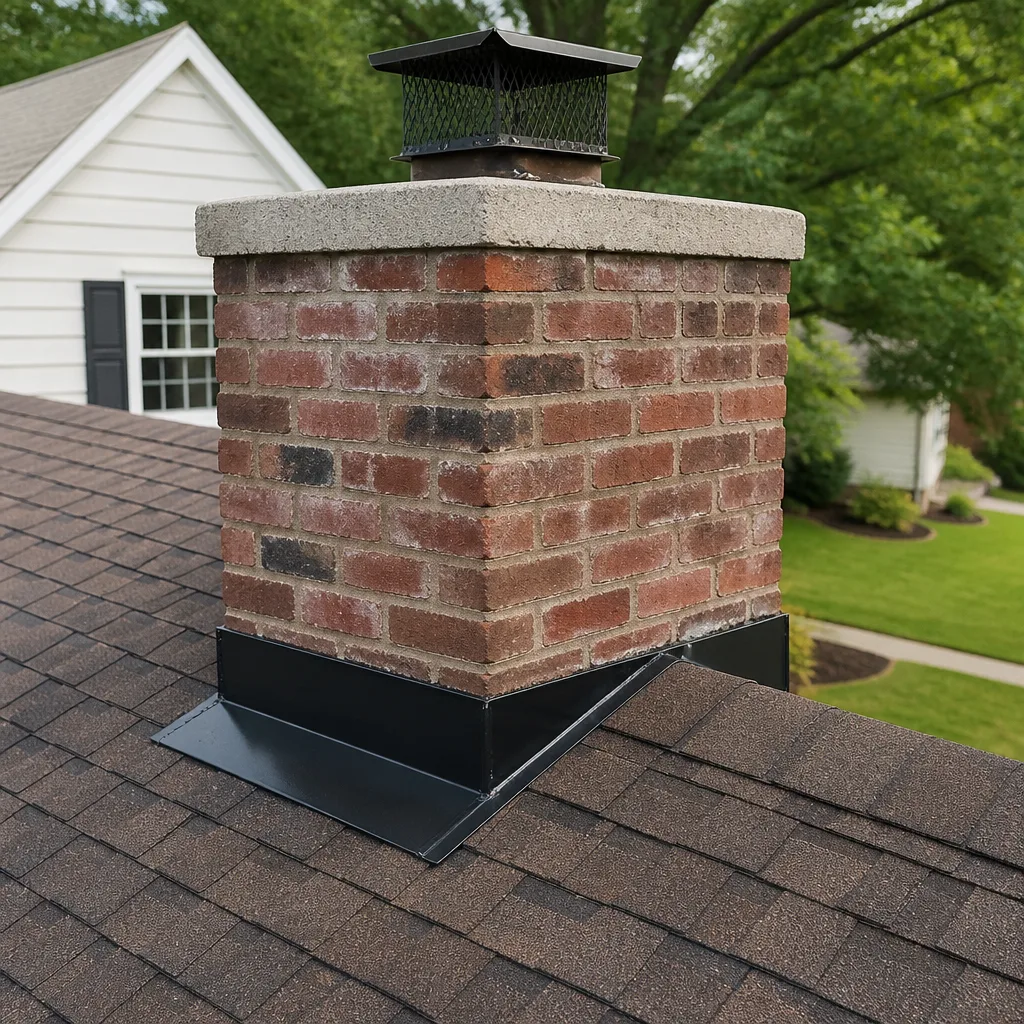 Sweep & inspection
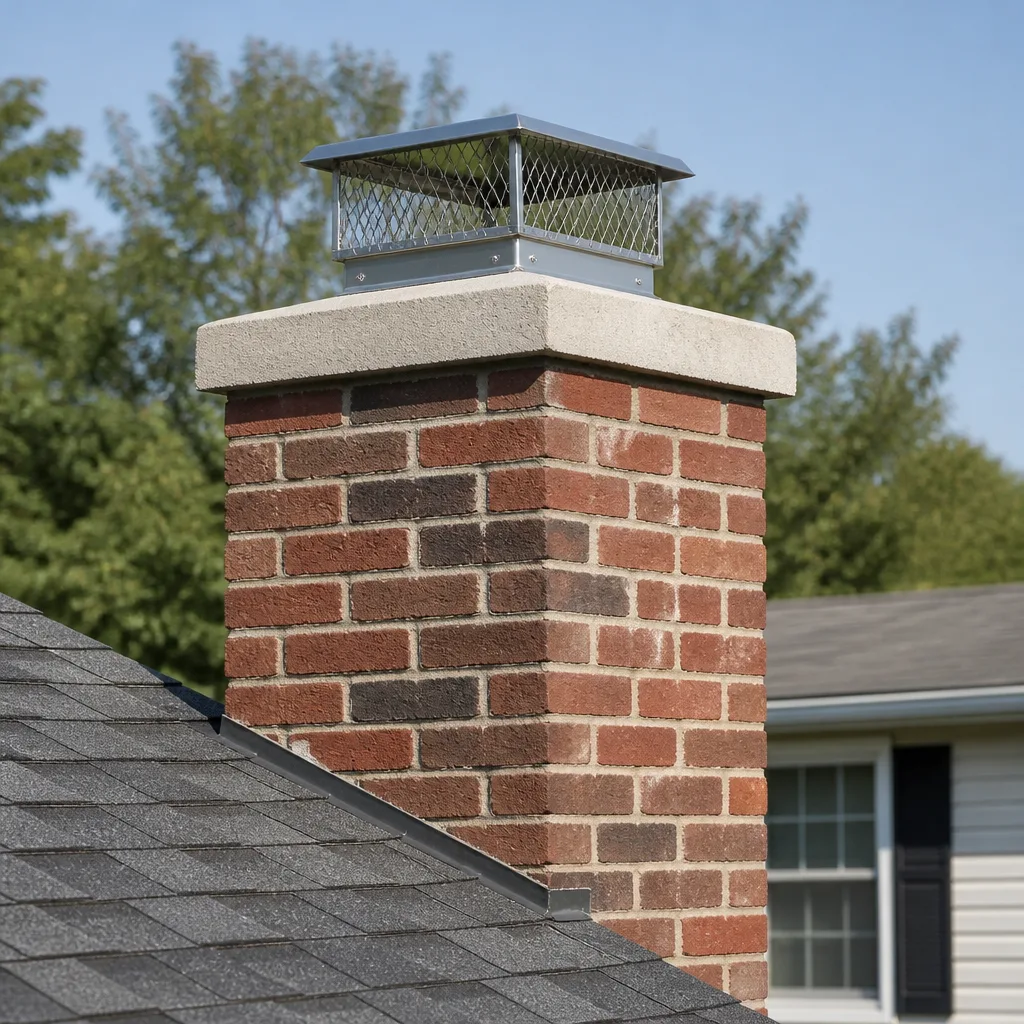 Caps & crowns
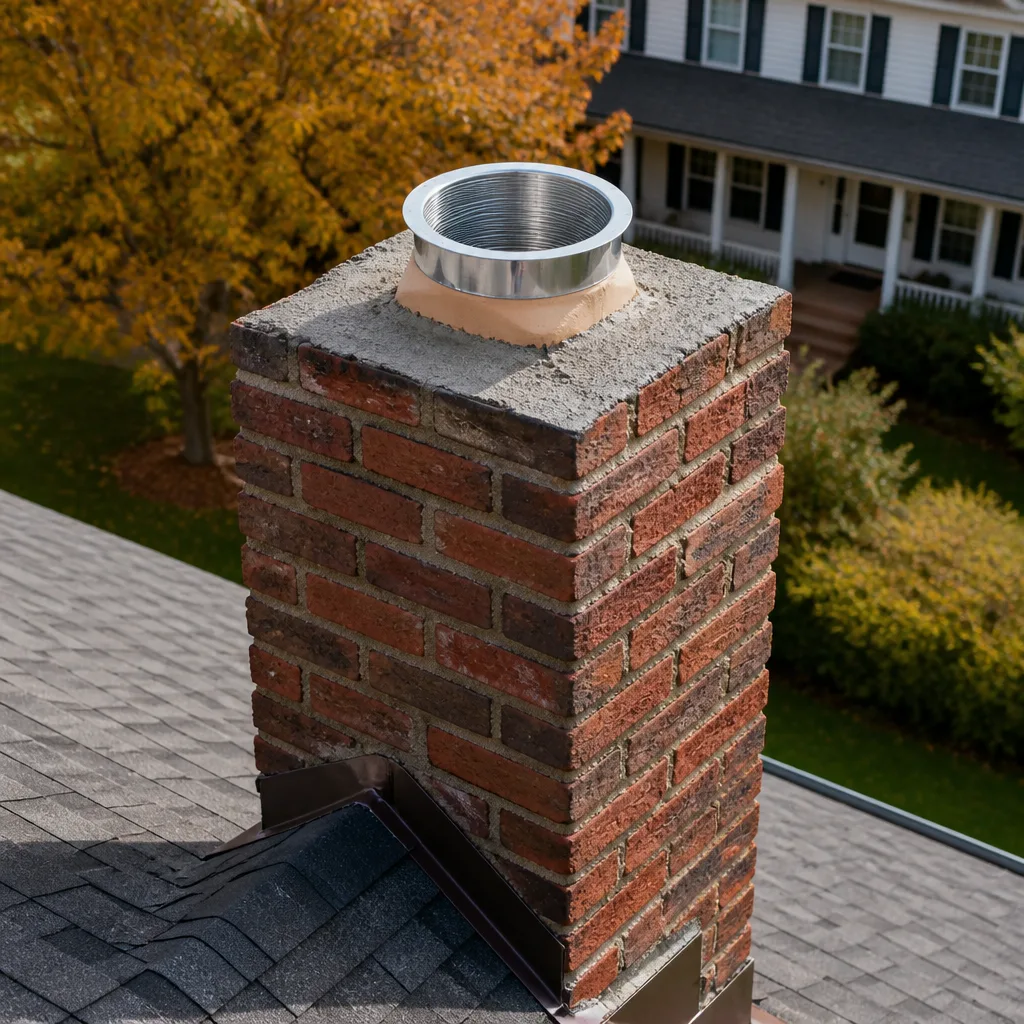 Flue relining
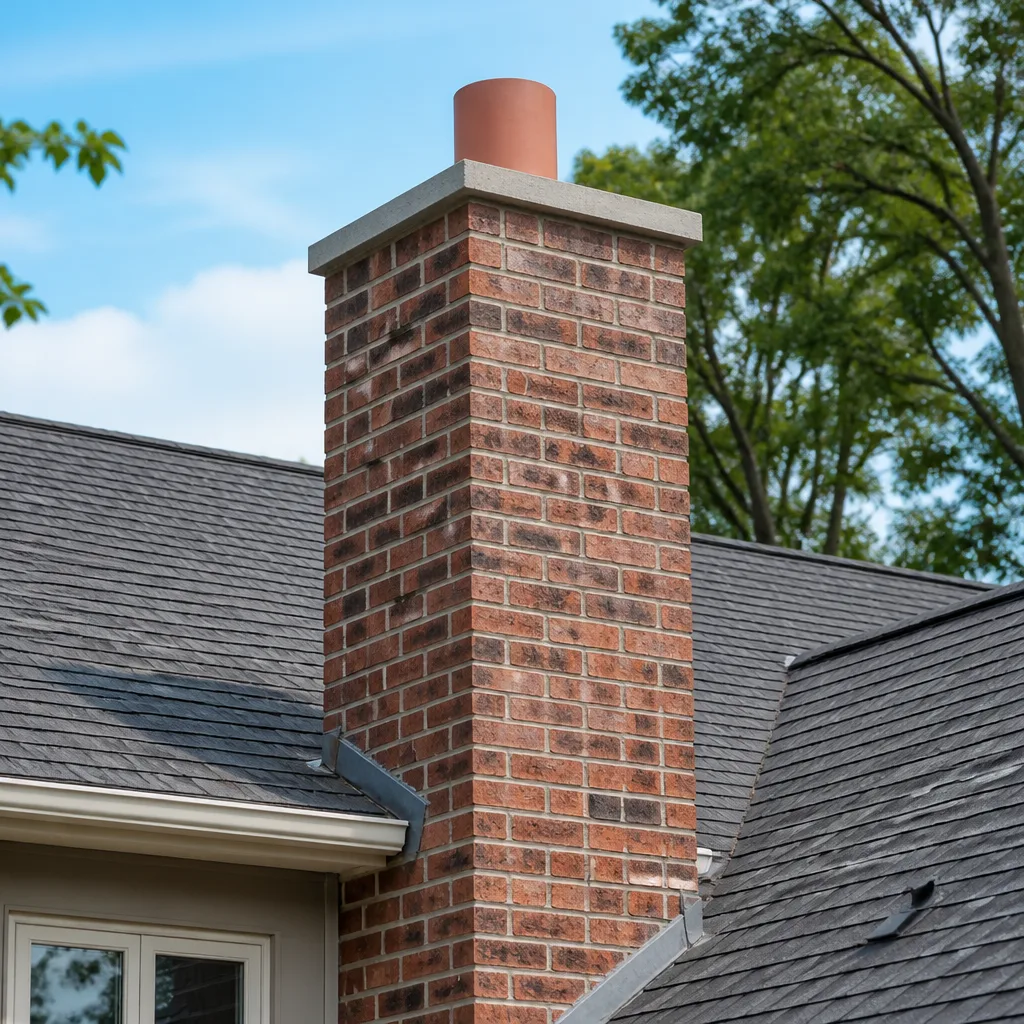 Masonry repair
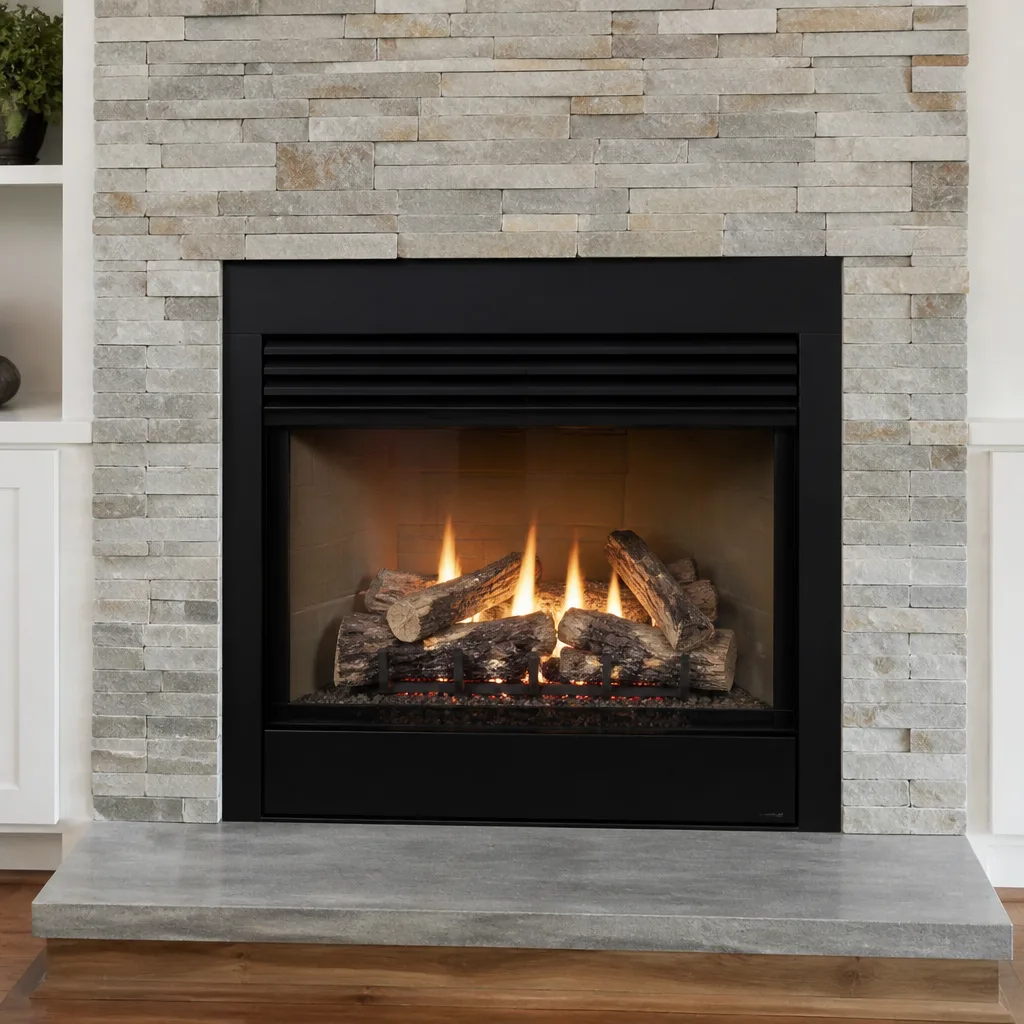 Gas fireplace service
Level 1 sweep and inspection to the NFPA 211 annual standard - flue, crown, cap, and flashing checked and photographed
Chimney sweep logs do not sweep chimneys. They loosen some creosote - which then falls where a brush and vacuum still have to collect it.
Chimney Cleaning Cost Breakdown: The Garden Grove Homeowner’s Reference for 2026
The $89 chimney cleaning special you see advertised across Orange County almost always leaves out the inspection. That means you paid someone to run a brush through the flue and leave without ever telling you whether the chimney is safe to burn in. Here’s the part most ads bury: what you actually pay for a proper cleaning in Garden Grove depends on scope, not on the brush itself. This guide breaks down every line item, explains why prefab fireplaces cost more to service than masonry, and shows you where low-ball quotes hide the add-ons. By the end you’ll be able to read a bid and know what it covers.
Quick Answer
Chimney cleaning in Garden Grove typically runs $150 to $280 for a standard sweeping with a documented visual inspection, while a cleaning bundled with a camera inspection and a written report lands closer to $250 to $450. Prefab factory-built fireplaces and two-story homes with long flue runs sit at the higher end because they take more time and specialized parts. Every quote should include the sweep, an inspection, and a photo or written record of what was found; if a bid is missing one of those, the final invoice usually makes up the difference.
Styles & brands we work with
- Sweep & inspection
- Caps & crowns
- Flue relining
- Masonry repair
- Gas fireplace service
Table of Contents
- What each part of a Garden Grove chimney job costs
- Why prefab fireplaces cost more to service than masonry
- The real cost of skipping an annual cleaning
- How to read a low-ball quote
- What makes Garden Grove prices move
- Cleaning vs. Level 1 vs. Level 2 inspection
- Questions to ask before you book
What each part of a Garden Grove chimney job costs
Most homeowners think of “chimney cleaning” as one number. In practice it’s a stack of line items, and knowing each one lets you compare bids apples to apples. Here’s how those items usually shake out in the Garden Grove market.
| Service | Typical estimated range | What it includes |
|---|---|---|
| Standard sweep | $150 – $220 | Brush and vacuum the flue, firebox, smoke shelf; clean the damper area |
| Level 1 inspection | $75 – $125 | Visual check of accessible flue, firebox, damper, cap and crown |
| Level 2 inspection (with camera) | $175 – $325 | Video scan of the full flue interior, photo documentation of any defect |
| Minor repair (cap reset, damper fix, crown patch) | $125 – $400 | Correcting small failures found during inspection |
| Written report with photos | Often bundled; $0 – $75 standalone | Documented baseline of flue and firebox condition |
Bundled jobs cost less than itemized ones. A cleaning plus a Level 1 inspection, for example, is usually priced as one visit rather than two. A cleaning plus a camera inspection and a written report is the complete version, and it’s the one worth paying for. That report becomes the record you compare against next year, which is how you catch a flue tile that’s starting to crack before it turns into a relining job.
The chimney sweep itself is the entry point. Everything else in a good visit is there to tell you whether the chimney is safe to use, not just whether it’s clean. If a quote gives you a single number with no line-item detail, ask what’s included before you book.
Why prefab fireplaces cost more to service than masonry
A prefab factory-built fireplace and a masonry chimney look similar behind the glass, but they’re not serviced the same way. Prefabs often cost $50 to $150 more per visit, for a few concrete reasons.
- Proprietary parts. Masonry is brick, mortar and clay tile. Prefab flues are built from metal components sized and specified by the manufacturer. A cap, a damper or a flue section has to match the system, and not every sweep carries the right part.
- Limited adjustment. On a masonry flue, a small crack can often be resurfaced. On a prefab, the fix usually means replacing a specific section, and that section has to be available.
- The expertise gap. Plenty of local contractors handle masonry well and hand off prefab work. That handoff is where pricing grows.
In our experience, the prefab jobs that go smoothly are the ones where the technician arrives knowing the system. That’s part of why we work with brands like DuraFlex for flexible liner systems and HeatShield for flue resurfacing: those materials solve specific problems on specific systems, and they’re built for longevity in the kind of offset flue configurations that show up in Garden Grove homes.
If your fireplace is prefab, tell the company when you book. Ask whether they service that system type and whether they can source parts for it. A contractor who says yes without hesitation is a better bet than one who says “we’ll see when we get there.”
The real cost of skipping an annual cleaning
An annual cleaning keeps a chimney safe, and it also keeps long-term costs down. Skipping it for a few years almost always costs more than the cleaning itself, and the difference shows up in specific repair lines.
- Liner replacement. Creosote and corrosive byproducts break down clay tile and metal flue walls over time. A full relining project typically lands in the four-figure range once materials and labor are counted.
- Crown rebuild. A cracked crown lets water into the chimney structure. Small crack, patched crown, modest cost. Delayed crack, rebuilt crown, much larger cost.
- Smoke chamber resurfacing. A soot-caked smoke chamber doesn’t draft right and can’t be swept clean once the buildup hardens. Resurfacing restores it, and it’s cheaper than replacing the assembly.
- Firebox repair. Heat-cycling on a damaged firebox can spread cracking into the surrounding masonry. That’s a fireplace repair job that gets bigger the longer it waits.
The math is boring but real. A routine annual cleaning runs a few hundred dollars. Each of the four items above typically runs several times that, and the cleaning is the only thing on the list that catches them early. Think of the cleaning as the diagnostic that makes the other items possible to catch while they’re still small.
What about a chimney you haven’t used in two years? It’s fine to say so when you book. A sweep with a documented inspection will tell you whether it’s safe to use, whether there’s work that can wait, or whether something needs attention before the first burn of the season.
How to read a low-ball quote
The $99 cleaning isn’t always a scam. Sometimes it’s a real service with a narrow scope, and the problem is what the scope leaves out. When a low price grows into a bigger invoice by the end of the visit, the add-ons below are usually why.
- Inspection excluded. A brush-and-leave visit doesn’t tell you whether the flue is safe. The inspection usually gets added on at the appointment, or ignored entirely.
- Camera inspection as a surprise add-on. If the cleaning was booked without a camera check, the technician discovers a “problem” on the spot. Ask up front what the camera inspection costs and what the report includes.
- “We found a cracked flue.” Real defect, or a photo nobody thought to show you? Any recommendation should come with a picture you can see for yourself. If it doesn’t, ask for one.
- Cap not included. A chimney without a cap lets rain, birds and debris in. Cap installation is a legitimate line item, but it should show up in the quote or the report, not as a surprise.
- Repairs without a written estimate. Anything beyond a cleaning should be quoted in writing before you agree to it.
Fastest way to sort the two kinds of quotes: ask the company to send the written estimate before the visit, and ask what’s included in the price. A contractor who does this is a contractor worth calling. A contractor who won’t is sending you a signal.
What makes Garden Grove prices move
Two houses with similar fireplaces don’t always cost the same to service. In Garden Grove, a few variables do most of the work in moving the number.
- Two-story homes with long flue runs. A chimney that runs the full height of a two-story house takes longer to sweep, longer to inspect and longer to reach from the roof. That time is the difference between a mid-range quote and the top of the range.
- Combination gas and wood systems. Some Garden Grove homes have a gas log set in what used to be a wood-burning firebox. Gas systems need their own check for venting, connections and clearances, and a technician who does both saves you from booking two visits.
- Chimneys serving more than one appliance. A flue shared with a furnace or water heater runs into more complex venting rules. The inspection takes longer, and the technician has to understand both systems.
- Prefab vs. masonry construction. Covered above, and it’s a real cost difference in this market. You’ll feel it most on the parts side.
- Access and condition. A roofline that’s hard to reach, a firebox that’s been neglected for a while, or a chimney with no cap and a bird problem all add time.
When you book, mention which of these apply. A company that quotes remotely can only give a range until they see the setup, and that range usually swings to the high end once they’re on site. Telling them upfront saves both of you a conversation.
And this is mild-winter country. You don’t have a hard freeze deadline pushing everyone to book in the same week, but you do have a dry season and a wet season. The dry months are when a neglected cap or crown does the most damage unnoticed, which is a good argument for inspecting before the rain arrives rather than after.
Cleaning vs. Level 1 vs. Level 2 inspection
A cleaning and an inspection are different jobs, and the inspection itself comes in levels. The distinction matters because it’s the main reason two quotes that both say “chimney cleaning” come out hundreds of dollars apart.
A cleaning removes soot, creosote and debris from the flue, firebox and smoke shelf. It makes the chimney usable. It does not tell you the flue is safe.
A Level 1 inspection is a visual check of everything accessible without tools: the firebox, damper, smoke shelf, the accessible part of the flue, the cap and the crown. It’s fast and it’s usually bundled with a cleaning.
A Level 2 inspection uses a camera to see the full length of the flue interior and produces a report with photos. It’s the right choice when a home is changing hands, when there’s been a chimney fire, when the liner looks questionable, or when nobody knows the last time the flue was checked.
- Book the cleaning and the inspection together. Bundled pricing is cheaper than a separate visit.
- Ask whether the inspection is Level 1 or Level 2 and what it costs.
- Ask for the report with photos. Any recommendation should come with a picture you can review.
- Compare the report against next year’s. That’s how you catch a slow change before it becomes a repair.
For a Level 2, expect the quote to be higher than a Level 1. It’s more work, and the camera report is a real deliverable. If the price is the same, ask what the camera inspection actually covers.
Questions to ask before you book
A phone call before you book saves a lot of trouble after. These are the questions that tell the two kinds of contractor apart.
- What’s included in the price? Cleaning, inspection, and a written report should all be named. “Brush and go” is not the answer you want.
- Do you service prefab systems? If your fireplace is factory-built, this matters. Ask before you book, not after the technician arrives.
- What brands and materials do you work with? A company that installs and services professional-grade components like DuraFlex, HeatShield, Gelco, Olympia Chimney or Famco is more likely to have the right part for your system.
- Will I get a photo report? Yes or no. Any repair recommendation should come with a picture.
- What’s the written estimate process? Anything beyond a cleaning should be quoted in writing before you agree to it.
- Is the estimate free? It should be. The final price is set by the written estimate, not the phone call.
The chimney repair conversation is where these questions pay off most. A repair-recommendation without a documented baseline of the flue and firebox condition isn’t really a recommendation; it’s a guess. Get the report first, then have the repair conversation.
Common Mistakes to Avoid
- Booking on price alone. The cheapest quote almost always leaves out the inspection. Compare what’s included, not the headline number.
- Skipping the camera inspection when something’s off. If the flue has had a fire or the home recently changed hands, a Level 2 is worth the extra cost. You can’t fix what you can’t see.
- Agreeing to repairs on the spot without a written estimate. Any repair beyond a cleaning should be quoted in writing. Ask for the photo, then the number.
- Ignoring a missing cap. An uncapped chimney in Garden Grove takes rain, bird activity and debris all year. Cap installation is a legitimate service, and it protects the sweep and repair work you’ve already paid for.
- Assuming a cleaning is a safety check. It isn’t. A cleaning makes the flue usable; the inspection tells you it’s safe to use.
- Forgetting the report. Save the photo report. The comparison with next year’s is what catches a small problem before it’s a big one.
- Using a generalist for a prefab or combination system. These systems are specific, and not every contractor carries the right parts. Ask before you book.
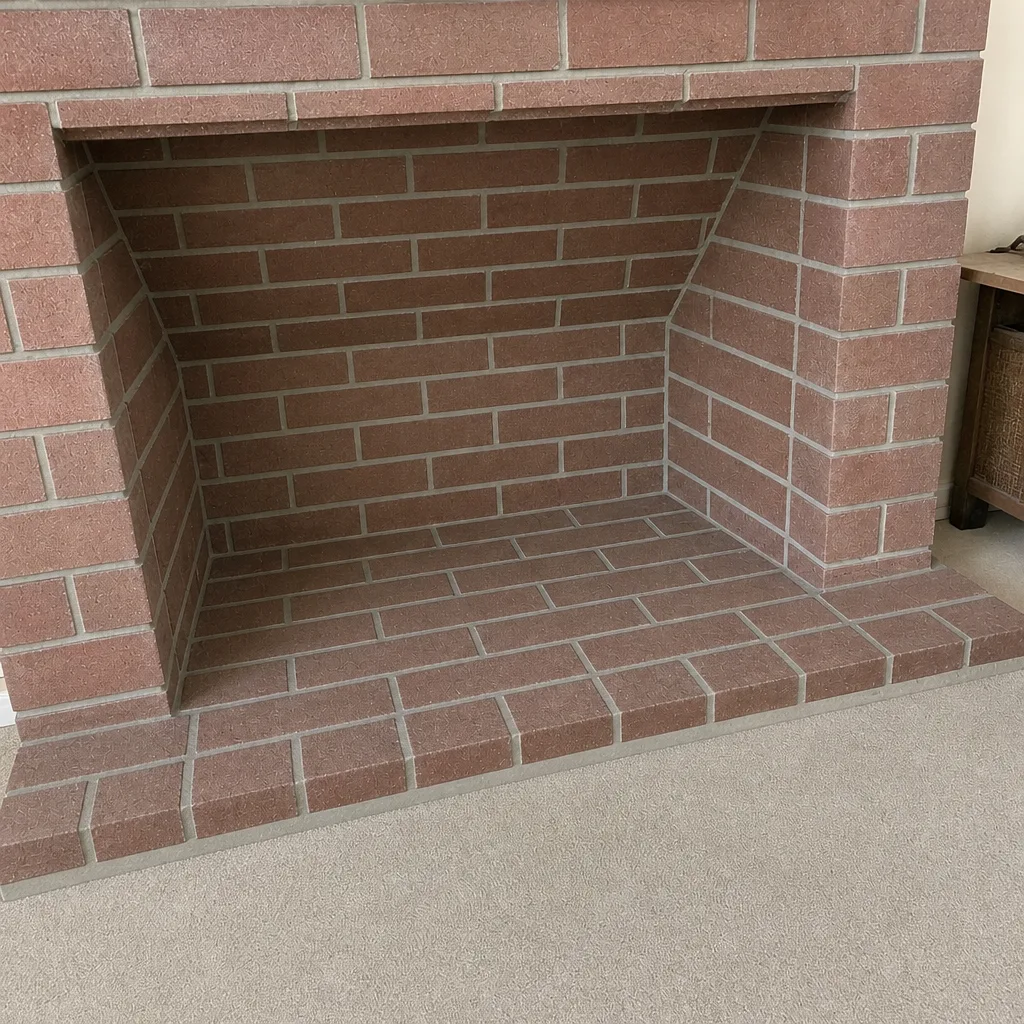
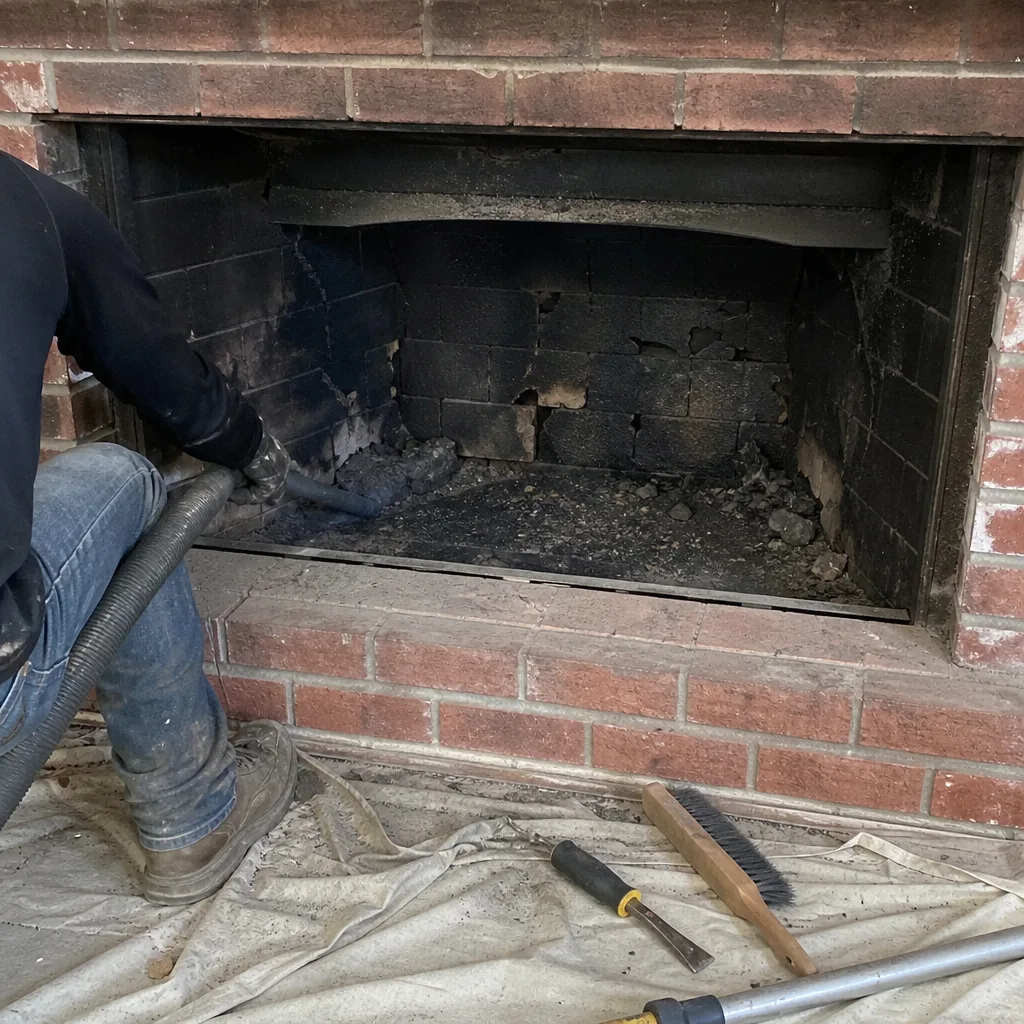
See the difference
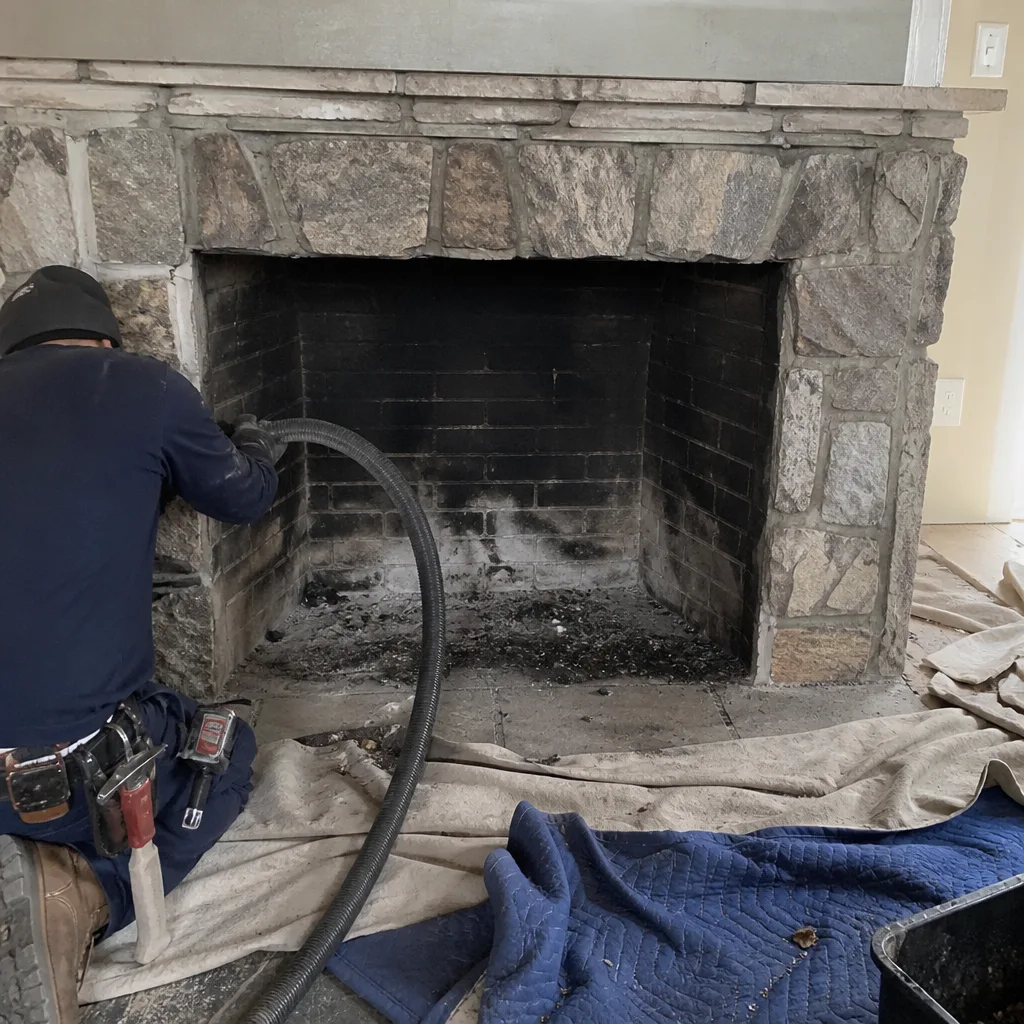 Before
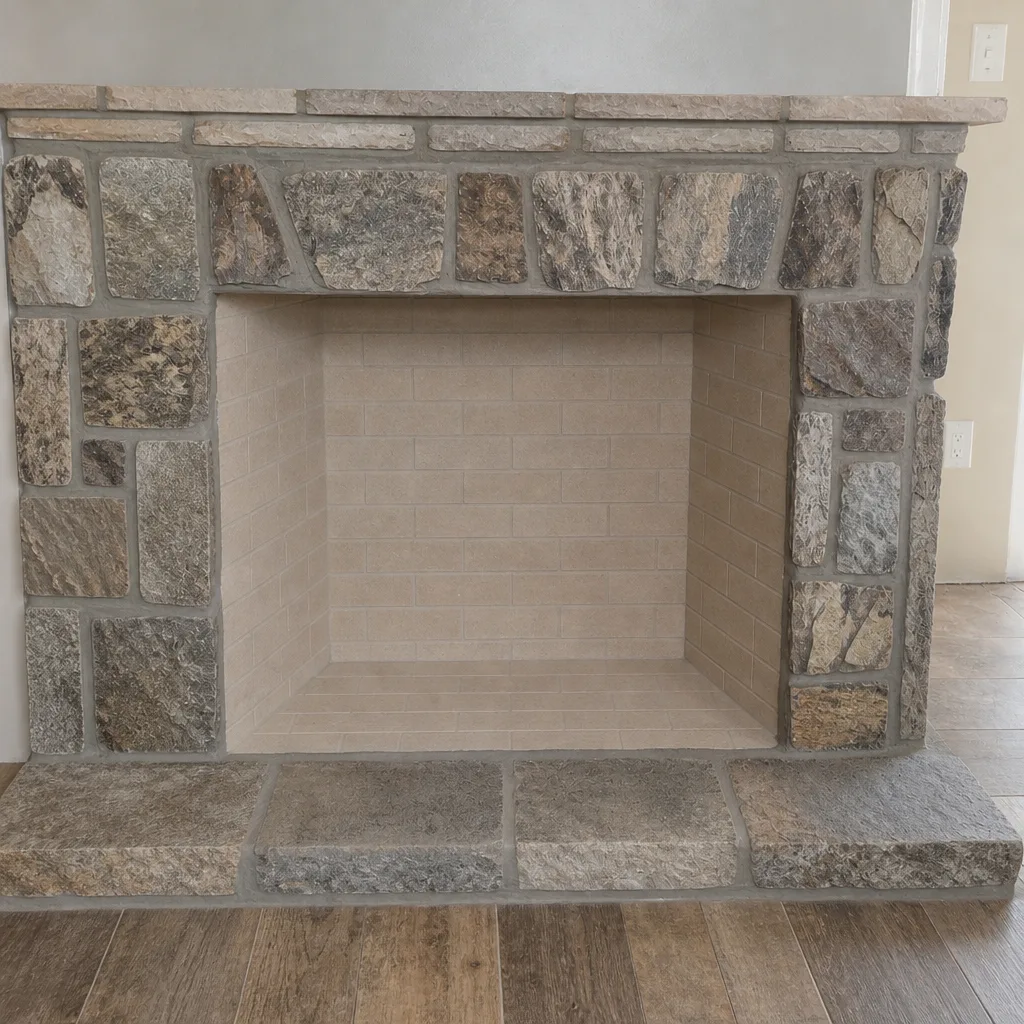 After
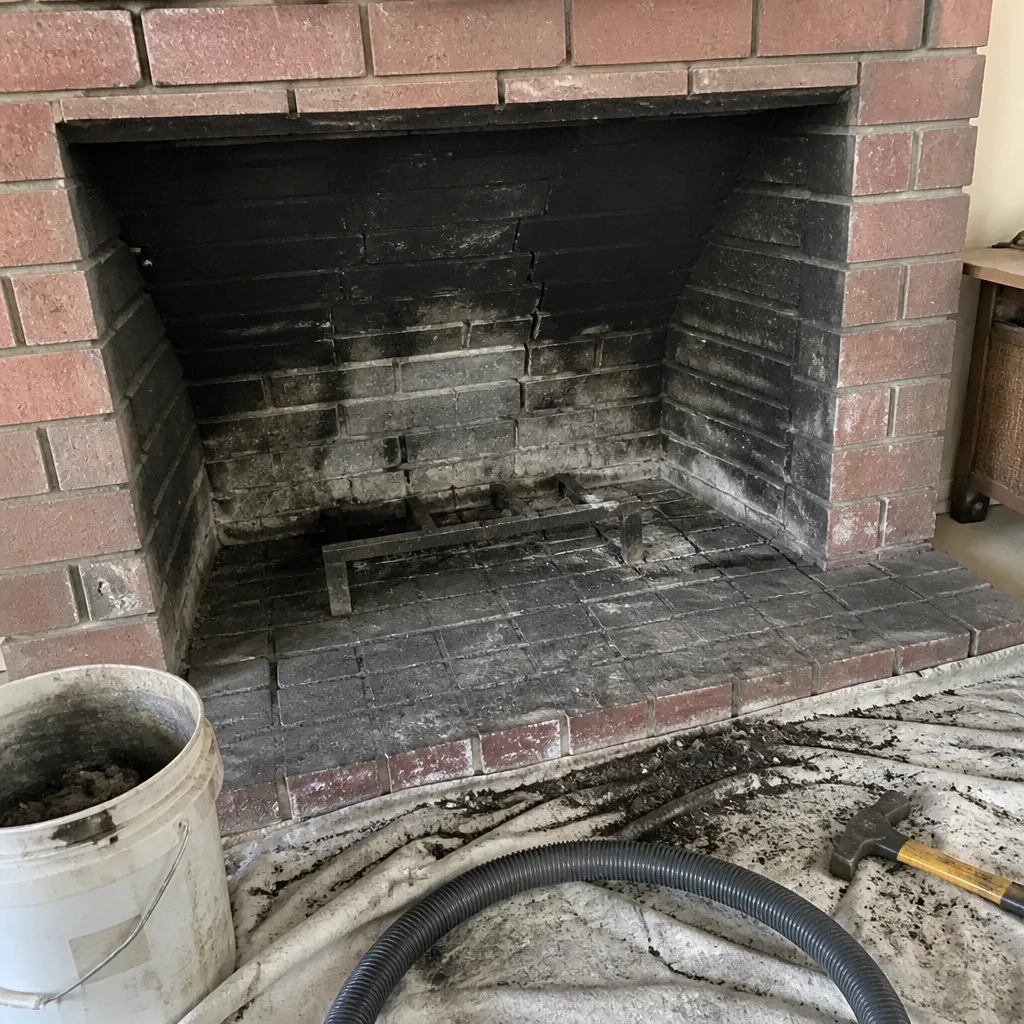 Before
 After
 Before
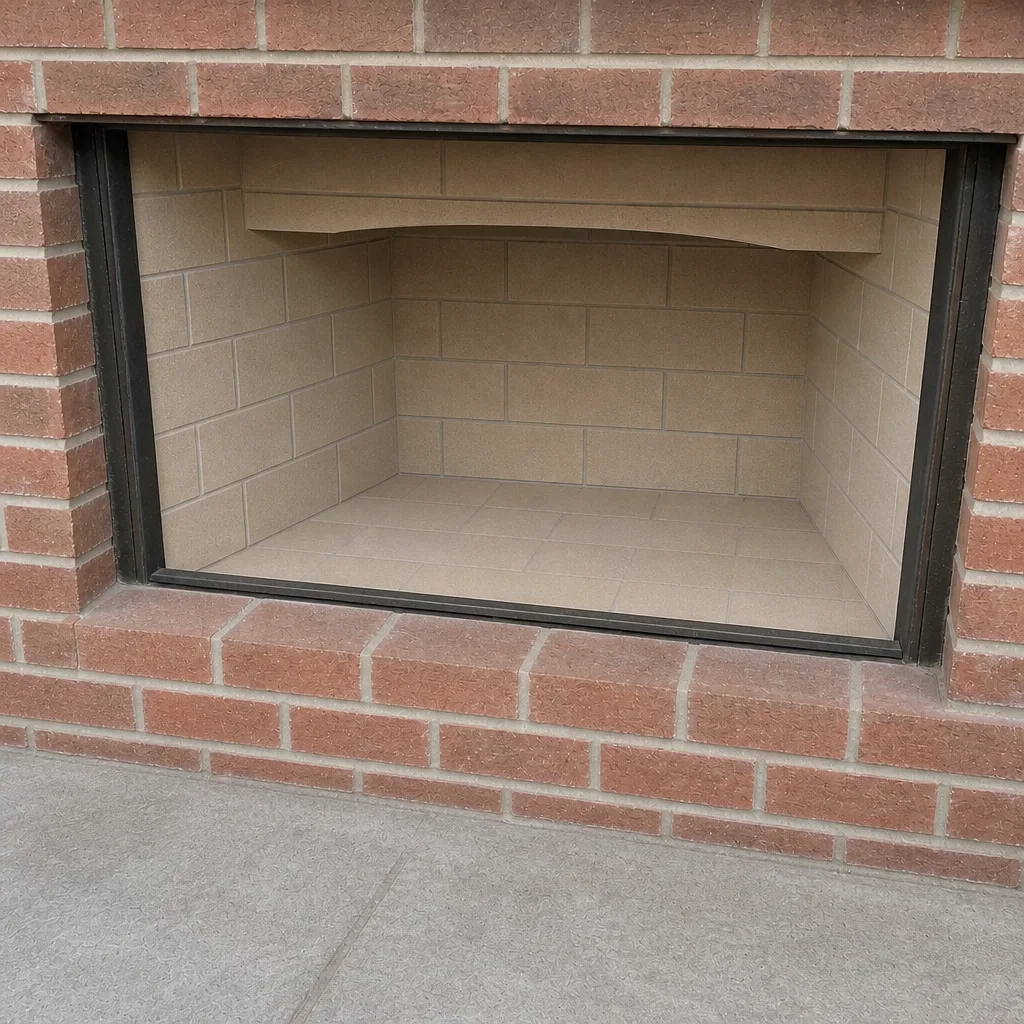 After
When to Call a Professional
Some things a homeowner can check. Most things on a chimney are not the homeowner’s job.
Call a professional if the fireplace smells smoky or drafty, if smoke comes into the room, if the firebox has visible cracks or crumbling mortar, if the cap is missing or damaged, if there’s been a chimney fire, if the home recently changed hands and nobody knows when the flue was last checked, or if your annual cleaning has slid past a year. Carbon monoxide is the quiet one: a flue that vents poorly can’t be diagnosed by looking at the firebox, and a camera inspection is the only way to know for sure.
On anything beyond a visual check, we recommend a trained technician rather than a homeowner attempt. The Garden Grove Chimney Sweep team offers free estimates in Garden Grove. Call (877) 492-3690.
Frequently Asked Questions
Most Garden Grove chimney cleanings run $150 to $280 for a standard sweep with a documented visual inspection, and $250 to $450 when a camera inspection and written report are bundled in. The final number depends on fireplace type, flue length and what’s found during the visit. Call (877) 492-3690 for an exact quote; estimates are free.
Only if the inspection shows the existing liner is damaged, cracked or the wrong material for what you’re burning. In our experience, a lot of “you need a new liner” recommendations are really “the flue needs resurfacing,” which is a cheaper job. Ask to see the photo and ask why a liner swap is the right answer. HeatShield resurfacing, for example, can restore deteriorating flue tiles without a full relining, and DuraFlex flexible liner systems are the right call when the flue itself is compromised. Get the report first, then decide.
Once a year for a wood-burning fireplace in regular use, and once a year for a gas fireplace too, since gas systems need their own inspection even though they don’t build up creosote. If the fireplace is used heavily, or the wood is unseasoned, more often. The annual sweep is the cheapest part of chimney ownership and it’s the one that catches everything else early. Call (877) 492-3690 to book a sweep; estimates are free.
Soot and creosote build up in the flue, the draft gets worse, and the flue lining starts to break down from the byproducts of burning. Over time that means a liner replacement, a crown rebuild, or a smoke chamber resurfacing, each of which runs several times the cost of a cleaning. The yearly cleaning is what catches those problems while they’re still small.
Prefab factory-built systems use proprietary parts, need a technician who knows the specific system, and often need a component replaced rather than patched. That’s the reason a prefab cleaning typically runs $50 to $150 more than a comparable masonry job in Garden Grove. It’s a real difference, not an upsell, and it’s worth asking about when you book.
Same-day is often possible, depending on the schedule. Call (877) 492-3690. We answer 24/7. Fast dispatch from 7am to 7pm, Sunday through Friday. A call outside dispatch hours is booked into the next opening, Sunday through Friday, 7am to 7pm.
The Bottom Line
The $150 to $450 spread on Garden Grove chimney cleaning isn’t a pricing mystery. It’s a scope question. Cleaning plus a Level 1 inspection is one price; cleaning plus a camera inspection and a written report is another. Prefab systems cost more because the parts are specific. Long flue runs and combination gas and wood setups add time. The low-ball quote usually leaves out the inspection, and the add-ons at the appointment make up the difference.
The habit worth building is a yearly sweep with a documented inspection. It’s the cheapest line item, and it’s the one that catches a flue tile or a crown crack while the fix is small. Compare bids on what’s included, not the headline number, and ask for the photo whenever a repair is recommended.
Book Your Cleaning with the Right Materials
Garden Grove Chimney Sweep performs all five core chimney services in-house: sweeping, inspection, chimney repair, fireplace repair, and chimney cap and crown installation. We work with professional-grade brands including DuraFlex, HeatShield, Gelco, Olympia Chimney, Famco and Copperfield, so the right material is on hand before the technician arrives. Our technicians have up to 13 years of experience, and every recommendation comes with the photo evidence to back it up. The estimate is free, and the price is set by the written estimate. Call (877) 492-3690 for your free estimate. We answer 24/7. Fast dispatch from 7am to 7pm, Sunday through Friday.
Written by the team at Garden Grove Chimney Sweep.