
Last updated November 23, 2026
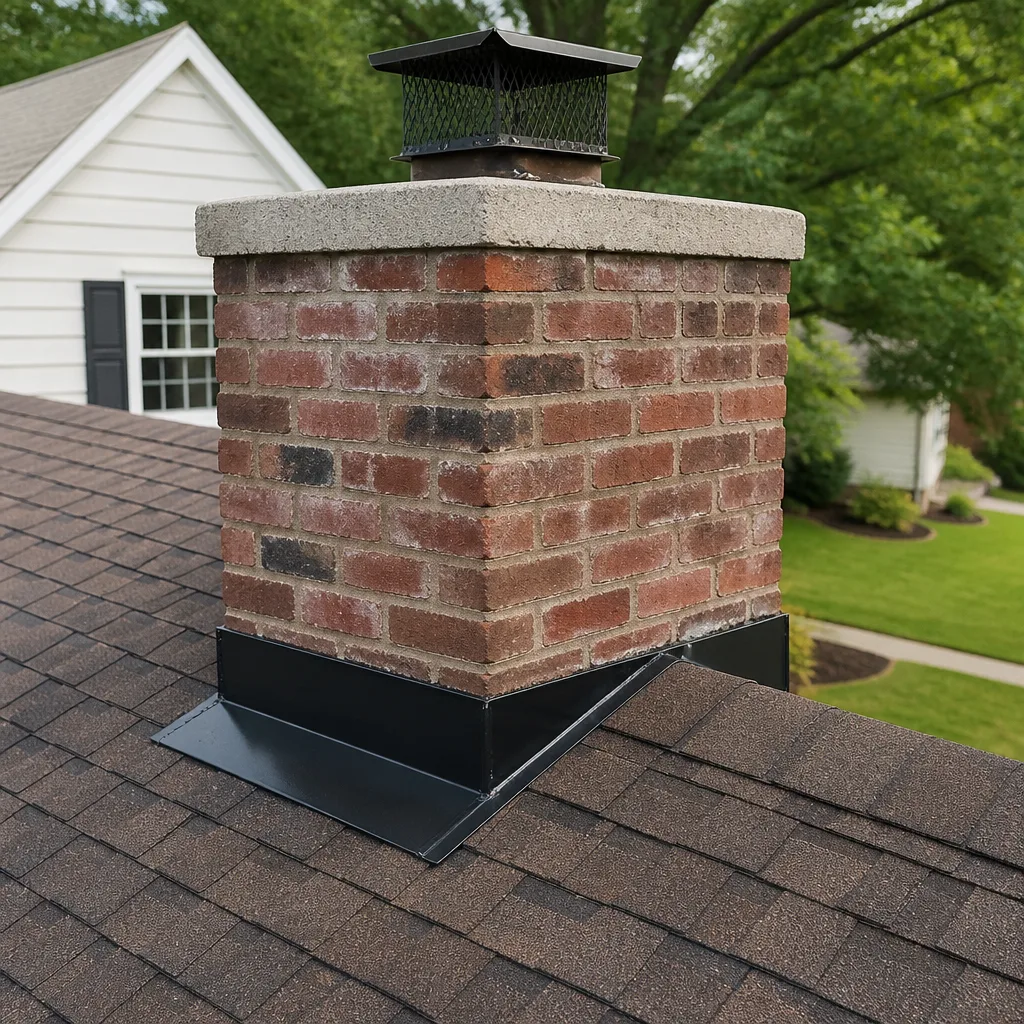 Sweep & inspection
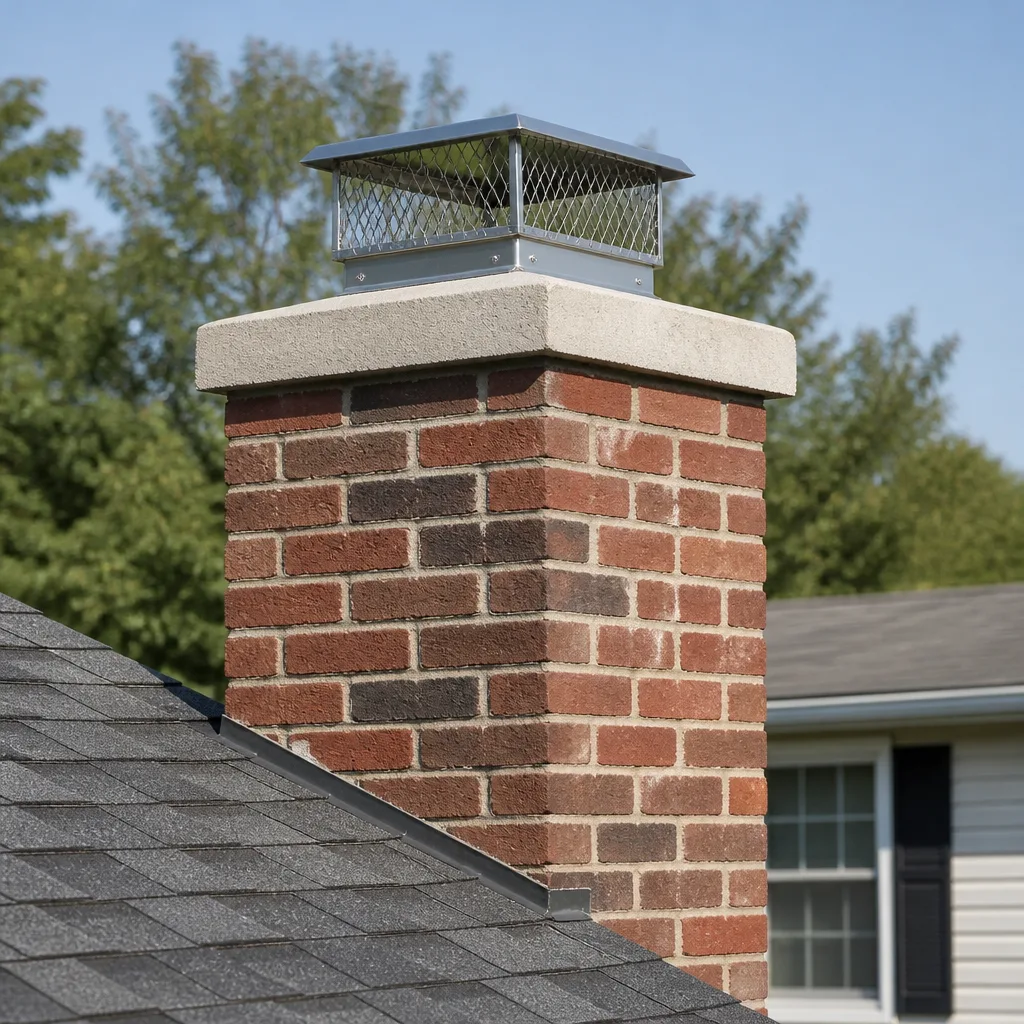 Caps & crowns
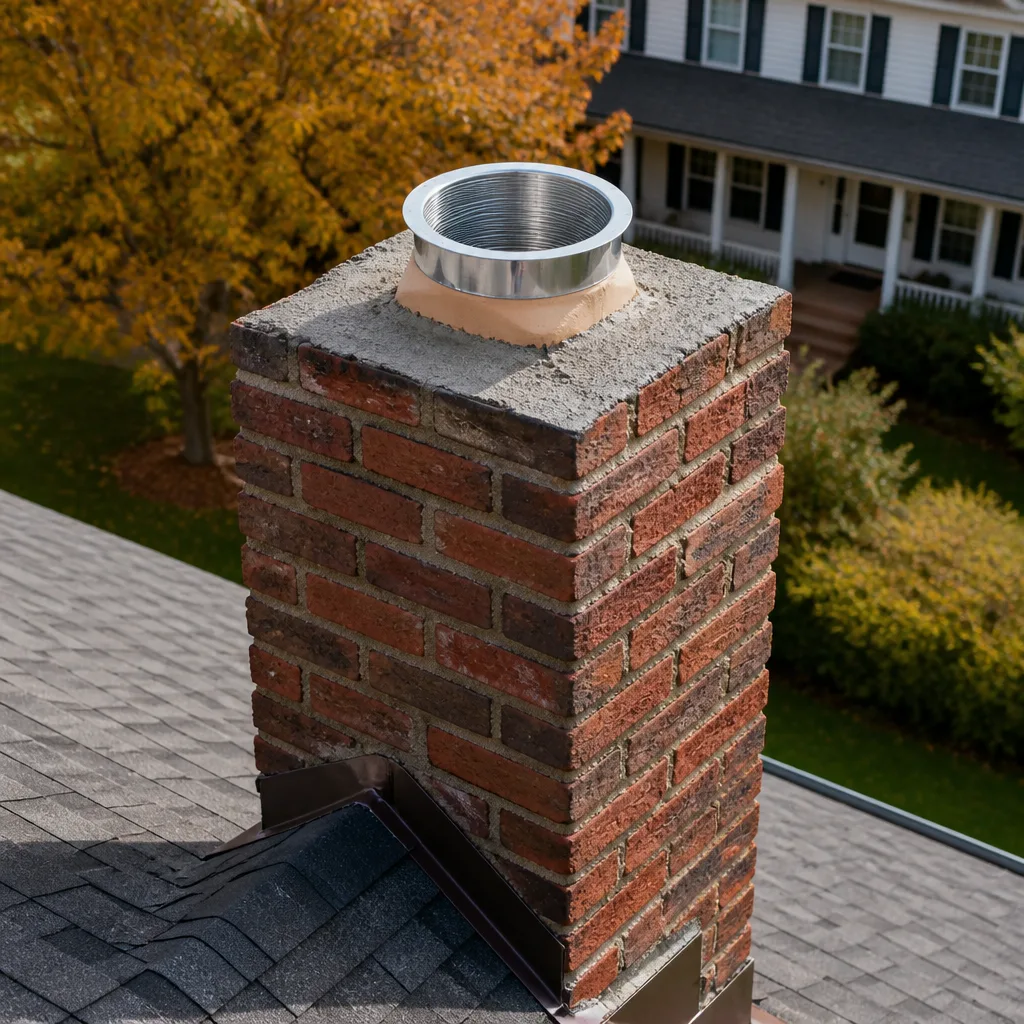 Flue relining
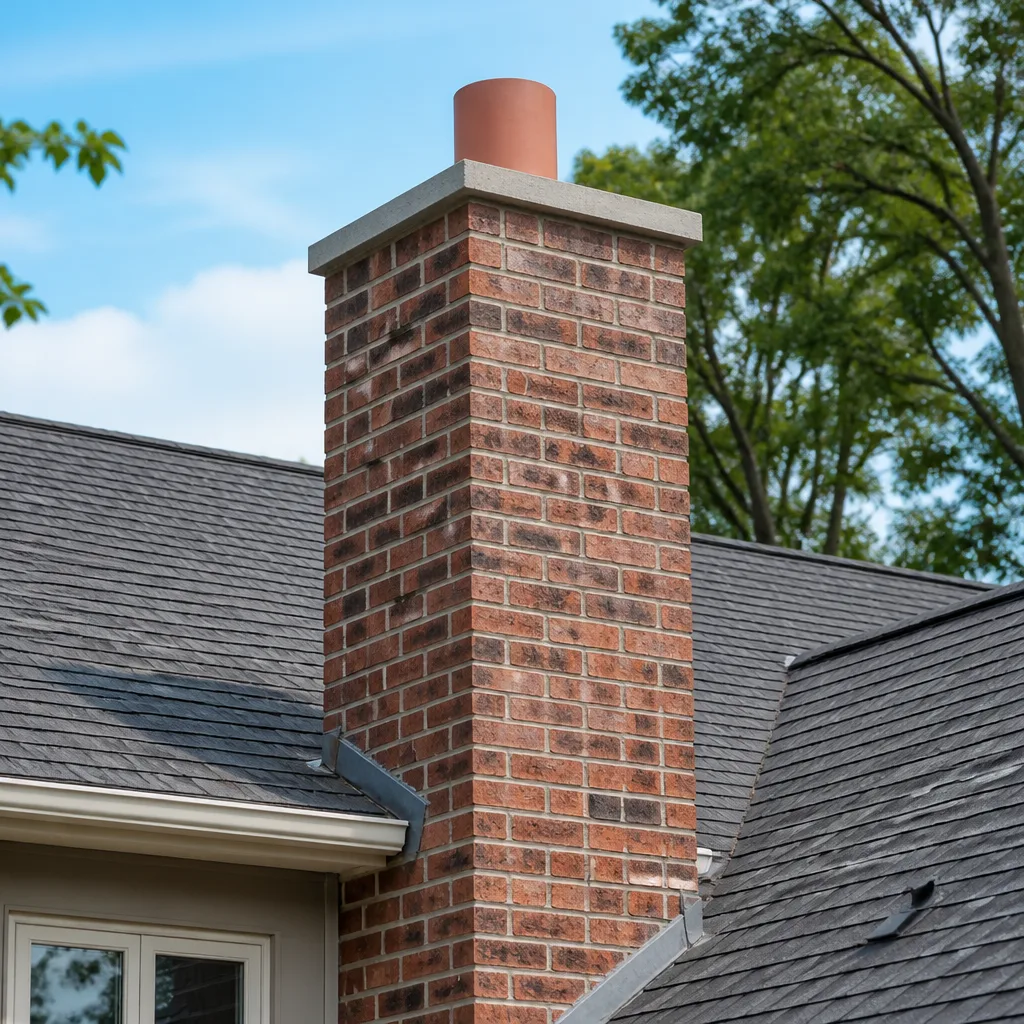 Masonry repair
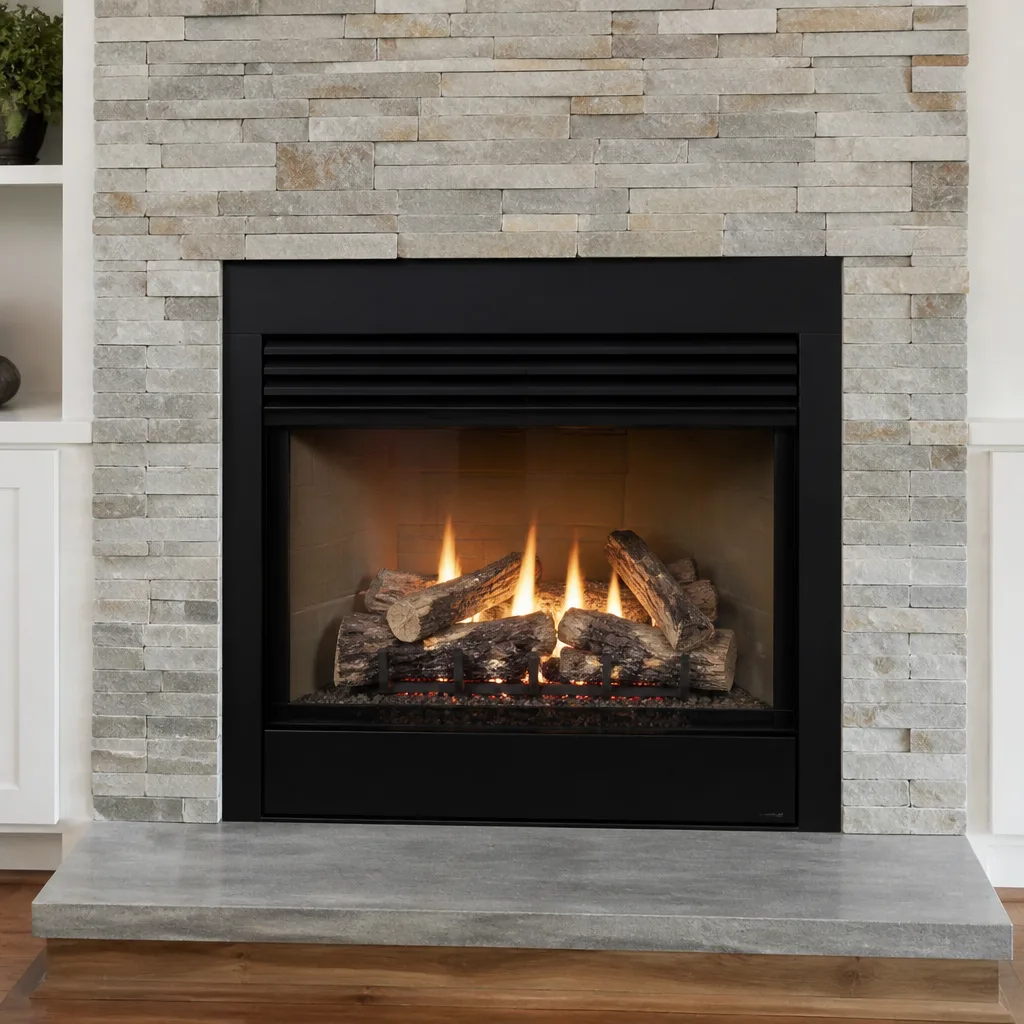 Gas fireplace service
Level 1 sweep and inspection to the NFPA 211 annual standard - flue, crown, cap, and flashing checked and photographed
Chimney sweep logs do not sweep chimneys. They loosen some creosote - which then falls where a brush and vacuum still have to collect it.
Chimney Cleaning Permits, Codes & Inspections in Garden Grove, CA: What You Need to Know
Chimney liner installation in California is classified as a modification to a venting system. Skip the permit, and your homeowner’s insurance has grounds to deny a fire-related claim. That single fact catches Garden Grove homeowners off guard more often than any other part of this trade. A routine sweep is one thing. The moment a contractor starts rebuilding a crown, swapping a cap, or pulling a new liner down the flue, you’re in a different category of work with different rules, and the paperwork matters as much as the materials. This guide maps exactly where the cleaning-to-repair line falls in Garden Grove, which code provisions apply, how the city handles permits, and what documents you should hold in your hand when the job closes. We’ll walk you through the whole thing.
Quick Answer
A standard chimney cleaning and a Level 1 visual inspection in Garden Grove don’t require a permit. Any work that modifies the venting system, the flue, the crown, or the firebox structure usually does, and that’s when California Mechanical Code and NFPA 211 come into play. Permitted jobs need a sign-off before the work is legally closed, so ask your contractor for the inspection record and warranty paperwork at the end.
Styles & brands we work with
- Sweep & inspection
- Caps & crowns
- Flue relining
- Masonry repair
- Gas fireplace service
Table of Contents
- Which Chimney Services Need a Permit in Garden Grove?
- California Code: Title 24, CMC, and NFPA 211 Explained
- How the Garden Grove Building Division Handles Chimney Permits
- What NFPA 211 Actually Requires for Clearances, Liners, and Caps
- The Three Levels of Chimney Inspection and When Each Applies
- What Paperwork to Request After Permitted Work Closes
- How Garden Grove’s Mild Climate and Local Usage Shape What You Need
- Common Mistakes to Avoid
Which Chimney Services Need a Permit in Garden Grove?
Here’s the clean split: maintenance doesn’t need a permit, and modification almost always does. A sweep removes creosote and soot. It doesn’t alter the structure, the vent path, or the clearances. The city has no reason to inspect it. The moment the work changes how the flue functions, that changes.
In our experience, homeowners are surprised most often by cap and crown projects. They think of a cap as a small accessory. Structurally it is part of the venting termination, and a crown rebuild is masonry work on a roof assembly. Both can trigger a permit review depending on scope and height.
Here’s a practical breakdown of where routine chimney work in Garden Grove commonly lands:
- Permit-exempt (maintenance): Sweeping and creosote removal, Level 1 visual inspection, minor firebox cleanout, cap reseating or replacement with the same type and size where no structural change occurs (check with the city on scope), flue cleaning after a chimney fire.
- Typically permitted (modification or repair): Liner installation or replacement (relining), crown rebuild or major crack repair, changes to flue size or configuration, firebox structural repair, chimney masonry rebuild, damper replacement that alters the venting system.
- Case-by-case: Cap installation when it involves a new chase cover, top-mount damper installs, flue tile replacement, any work tied to a wood-to-gas appliance conversion.
Two rules of thumb worth remembering. First, “does it change the venting system?” is the question a muni reviewer asks. Second, if a contractor tells you confidently that no permit is needed, ask them to put it in writing and reference the code section. That conversation tends to get more careful quickly.
If you’re unsure whether something small counts as maintenance or repair, the safest move is to ask the chimney repair contractor doing the estimate to identify the permit category in their proposal. It’s a fair question, and a prepared professional will answer it straight.
California Code: Title 24, CMC, and NFPA 211 Explained
Three code families govern chimney work in Garden Grove, and they stack. Title 24 covers the energy code and applies when chimney work intersects with building envelope changes or appliance efficiency requirements. The California Mechanical Code (CMC) is Chapter 17 of the California Code of Regulations and handles venting systems and appliance connections directly. NFPA 211 is the national standard for chimneys, fireplaces, vents, and solid fuel-burning appliances that inspectors reference as the baseline.
Here’s what each one actually means for a residential job:
- California Mechanical Code (CMC). The CMC governs vent connectors, liner listings, appliance clearances, and the categories of venting systems allowed for each fuel type. Liner systems need to be listed and labeled for the appliance they serve. A flexible liner designed for a wood appliance isn’t the right liner for a gas appliance with different temperature characteristics, and vice versa. This is why a DuraFlex flexible liner system, sized and installed to CMC requirements, is what a competent job looks like. Off-the-shelf generic liners at the wrong spec fail inspection for good reason.
- Title 24. California’s energy code is most relevant when venting changes coincide with envelope changes, appliance replacement, or additions. Even a fireplace insert install can bring Title 24 compliance questions into a Garden Grove remodel. If the chimney work is part of a larger project that requires its own permit, Title 24 will be reviewed alongside the CMC scope.
- NFPA 211. This is the standard inspectors lean on for clearances, liner integrity, and cap installation. The CMC references it, and inspectors expect contractors to know it. When you hear “two-inch clearance to combustibles,” it comes from NFPA 211. When you hear “the liner has to be continuous and structurally sound,” it comes from the same place.
The practical effect for a Garden Grove homeowner is that a well-built repair in this city is one that satisfies all three. A HeatShield resurfacing project, for instance, restores compromised flue tiles by applying a ceramic-based compound that meets NFPA 211’s intent for liner integrity without pulling a new liner down the flue. It’s a legitimate restoration option, and it comes with documented standards, not hand-waving.
How the Garden Grove Building Division Handles Chimney Permits
Chimney permits in Garden Grove go through the city’s Building Division within the Community Development Department. Like most Orange County jurisdictions, the process follows a standard track: a permit application, a plan review (usually over-the-counter for smaller chimney projects), fee payment, then staged inspections, then a final sign-off.
What that actually looks like in practice for a chimney repair:
- Application and scope. The contractor submits the scope in writing, often with product listings (the liner spec, the cap model, the crown material) alongside construction details. If you’re relining, expect the manufacturer’s installation instructions to be part of the submittal.
- Plan review. Small chimney projects usually clear plan review quickly. Complex jobs (masonry rebuilds, height changes, combining a fireplace insert with a liner) sometimes take longer or prompt comments requiring revisions.
- Permit issuance and fees. Fee schedules are published by the city and are tied to job valuation. We deliberately don’t quote fee numbers here because they change; ask the Building Division directly for the current schedule for your scope.
- Staged inspections. Chimney work is often inspected in stages (rough-in before concealment, final after completion). The final inspection is the one you want recorded before you release the final payment.
- Final sign-off. When the work closes, the permit gets a final inspection record. Keep this in your home file. It’s the single most useful document if you ever sell or file a claim.
Timelines on chimney permits vary by scope and by how busy the division is. Small permitted repairs typically close within weeks; larger structural projects take longer, mostly because of inspection sequencing. None of this is extraordinary. It’s just how permitting works in a well-run city, and it protects you as the homeowner.
We work with Orange County jurisdictions routinely on permitted chimney work, and part of what we do when a scope lands at your door is help you understand where that job sits on the permit line. Call (877) 492-3690 and we’ll walk through it with you. We answer 24/7. Fast dispatch from 7am to 7pm, Sunday through Friday.
What NFPA 211 Actually Requires for Clearances, Liners, and Caps
NFPA 211 is the standard that bridges what the code says and what the inspector sees on the roof. It’s written for real buildings, so the requirements are specific. Three areas come up in nearly every Garden Grove chimney evaluation we look at.
Clearances
The standard requires specific distances between chimney surfaces and combustible materials, and those distances depend on whether the chimney is interior or exterior, what it’s made of, and what it’s venting. Metal chimneys typically require measured clearance to wood framing, insulation, and roofing materials. Masonry chimneys require a stated clearance to combustibles as well. When a previous contractor ignored clearance, it’s often invisible from inside the house until a camera goes up the flue or a technician gets on the roof and looks at framing. Deficient clearances are one of the top reasons a repair gets flagged during permit review, because it’s a fire risk, not a cosmetic one.
Liner integrity
NFPA 211 treats the flue liner as the fire-safety barrier between combustion gases and the structure. It has to be continuous, structurally sound, and properly sized for the appliance. Cracked tiles, missing mortar joints, or a rusted-out metal liner fail the standard. This is where the choice of repair matters. Two approaches work:
- Relining. A flexible stainless liner such as a DuraFlex system is pulled down the flue and connected to the appliance. This is the standard option when the original flue is compromised beyond resurfacing or the appliance demands a specific listed liner.
- Resurfacing. HeatShield restoration applies a specialized compound to the flue interior, sealing cracks and restoring a smooth passage without full relining. It works well for many aging masonry flues that aren’t yet ready for a full liner replacement.
A good contractor can explain why one approach fits your flue better than the other, and both are done with documentation, not guesswork.
Cap installation
The cap protects the flue from water, animals, and debris while allowing the flue to draft. NFPA 211 requires a listed cap where the appliance listing specifies one, and expects the cap to be sized and secured properly. A missing or damaged cap is one of the fastest ways to shorten the life of a fresh repair, because water entering the flue accelerates deterioration of mortar, tile, and stainless liners. This is why we treat cap and crown work as a primary service, not an add-on. A cap from Olympia Chimney or Copperfield, sized to the flue, protects the work underneath it.
If you’re not sure whether your cap and crown are in good shape, that’s a fair reason to call for a chimney sweep and Level 1 inspection. It’s a low-cost way to find out before you commit to anything bigger.
The Three Levels of Chimney Inspection and When Each Applies
Chimney inspections aren’t one thing. The National Fire Protection Association defines three levels, and the difference matters for permit purposes because only Level 2 and Level 3 investigations produce the documentation a permit or an insurance claim may call for.
Level 1 inspection
A Level 1 inspection is the standard visual check you get with an annual sweep. The technician looks at the accessible portions of the appliance, the connector, and the chimney, without tools that would disturb any part of the system. It’s the appropriate inspection for a system that’s in continued service with no changes and no reported problems. It’s also routine and doesn’t need a permit.
Level 2 inspection
A Level 2 inspection is required by NFPA 211 when the appliance or venting system has changed (a new appliance, a different fuel type, a relining job), after a chimney fire or other event, or when a property is changing hands. It includes everything in Level 1 plus a video scan of the flue interior. In Garden Grove, this is the inspection a lineman or contractor will commission before recommending any major repair because it produces camera evidence of the flue’s actual condition.
Level 3 inspection
A Level 3 inspection is the highest level and involves opening up concealed areas of the chimney when a serious hazard is suspected. This is uncommon and usually triggered by an event or a Level 2 finding that can’t be resolved otherwise. When a Level 3 is warranted, the scope should be clearly explained before anyone picks up a tool.
One principle we hold to firmly: nothing gets recommended until a Level 2 inspection produces camera evidence you can see for yourself. If a contractor can’t show you the condition of your flue on screen, you’re being asked to take something on trust you can’t verify. When a repair can safely wait, we say so plainly, and we’ll show you what we found either way.
What Paperwork to Request After Permitted Work Closes
Most homeowners know to ask for an invoice. Fewer know to ask for the documents that protect them years later. This is the part of the job the trade often skips, and it’s the part a future buyer or an insurance adjuster will want to see.
At close of permitted work in Garden Grove, request these items and keep them in your home file:
- Final inspection sign-off. The city’s record showing the permitted work passed final inspection. This is the single most valuable piece of paper in the stack.
- Certificate of occupancy or completion, if applicable. Not every chimney repair produces one, but major structural work may. Ask the contractor to tell you whether it applies to your scope.
- Product documentation. Manufacturer warranties for the liner (DuraFlex, for example), the cap, the crown coating (HeatShield), or any other installed component. Keep the model numbers with the receipts.
- Labor warranty in writing. Not just a verbal promise. The terms, the coverage window, and the contact for a warranty call.
- Inspection report from the pre-work Level 2. The camera evidence the contractor used to make the recommendation. It establishes the “before” condition, which is invaluable if the same flue needs work again later.
If the contractor didn’t volunteer these, ask. A company that does this work properly won’t balk at documenting it.
How Garden Grove’s Mild Climate and Local Usage Shape What You Need
Garden Grove doesn’t get the hard freeze the mountain towns do, and it doesn’t get the salt exposure coastal neighbors get. Winters here are mild, and that changes the chimney maintenance picture in ways that surprise people coming from colder parts of the country.
Because burning seasons are shorter, many Garden Grove households burn intermittently over a longer stretch of the year, which produces a steady trickle of creosote deposits without the clean cold-season rhythm of a true four-season climate. Intermittent burning at modest temperatures can be harder on a flue than regular hot burns, because cooler flue gases deposit more creosote on the liner. That creosote builds up quietly and becomes the thing burns when a chimney fire happens. The fix is the same everywhere: sweep at the right interval, and don’t skip inspections just because it wasn’t a cold winter.
The other local factor is housing stock. Garden Grove has a good mix of mid-century single-family homes and newer builds, and the older chimneys often have original masonry flues with the cracks and missing mortar joints that come with age. The neighborhoods around the historic downtown grid tend to see more of this; the newer pocket neighborhoods westward see more modern metal systems. Both need the same level of attention, but what we find inside is often very different.
Aging masonry flues are exactly the situation HeatShield resurfacing was designed for. Instead of jumping straight to a full reline, we can restore a deteriorating flue tile system that still has structural integrity, and reserve DuraFlex relining for cases where the flue itself can’t be brought back. Restore, don’t just patch. That’s a different answer than you’ll get from some contractors who only know one path.
For homeowners with gas fireplaces, the picture shifts again. Gas appliances vent differently, need their own liner specifications, and can produce acidic condensate that eats at masonry over time. If your gas log set was installed into an older wood-burning firebox without a listed liner, that’s a Level 2 inspection situation no matter how new the appliance is.
Common Mistakes to Avoid
- Skipping the permit on liner work. Relining is a venting system modification. Skipping the permit is easy, and no one is watching the day it happens. But a subsequent claim after a fire-related event is exactly when that gap becomes a problem with your insurer. The permit costs less than you think and protects the biggest asset in the house.
- Trusting a verbal “no permit needed.” Ask for it in writing with the code section referenced. A confident answer with documentation is what you’re looking for, and a confident answer without it is a warning sign.
- Accepting a repair recommendation without seeing the evidence. If a technician tells you the flue is compromised, watch the camera feed with them. Legitimate findings hold up to sunlight. Findings that only live in the conversation don’t.
- Getting a cap installed without resizing to the flue. An undersized or oversized cap from the wrong manufacturer is a draft problem waiting to happen. Cap sizing has a spec; ask what it is. Brands matter here, which is why we work with Olympia Chimney and Copperfield caps rather than generic imports.
- Skipping the Level 2 after a chimney fire. A chimney fire can damage the liner without obvious visible signs from the firebox. NFPA 211 calls for a Level 2 after that event. Doing the visual-only check catches nothing.
- Paying the final invoice before the inspection sign-off is in hand. Until the final inspection record exists, the permitted job isn’t legally closed. The invoice can wait an extra week.
- Replacing a whole liner when resurfacing would do. A contractor who only knows relining will recommend relining. HeatShield restores a surprising share of aging flues for a fraction of full-liner cost. Ask about the option, then compare answers.
See the difference
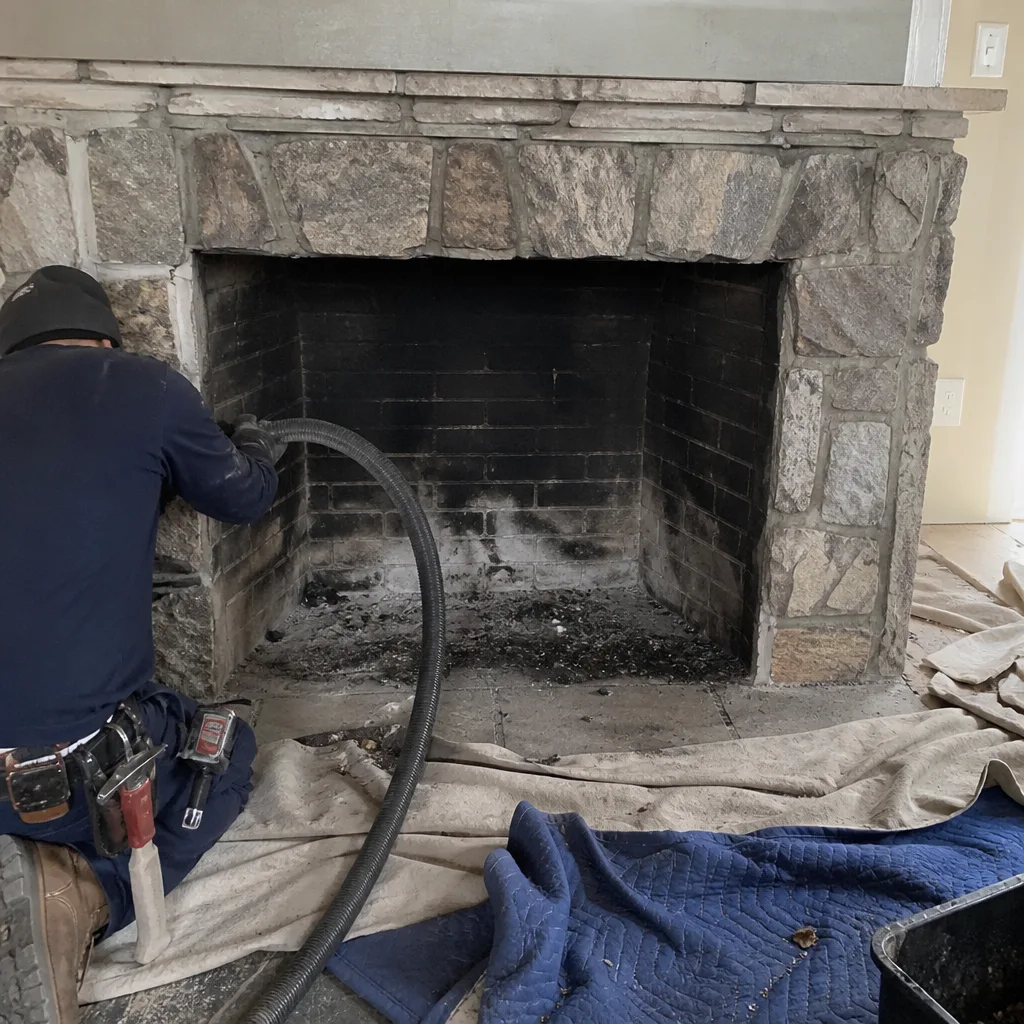 Before
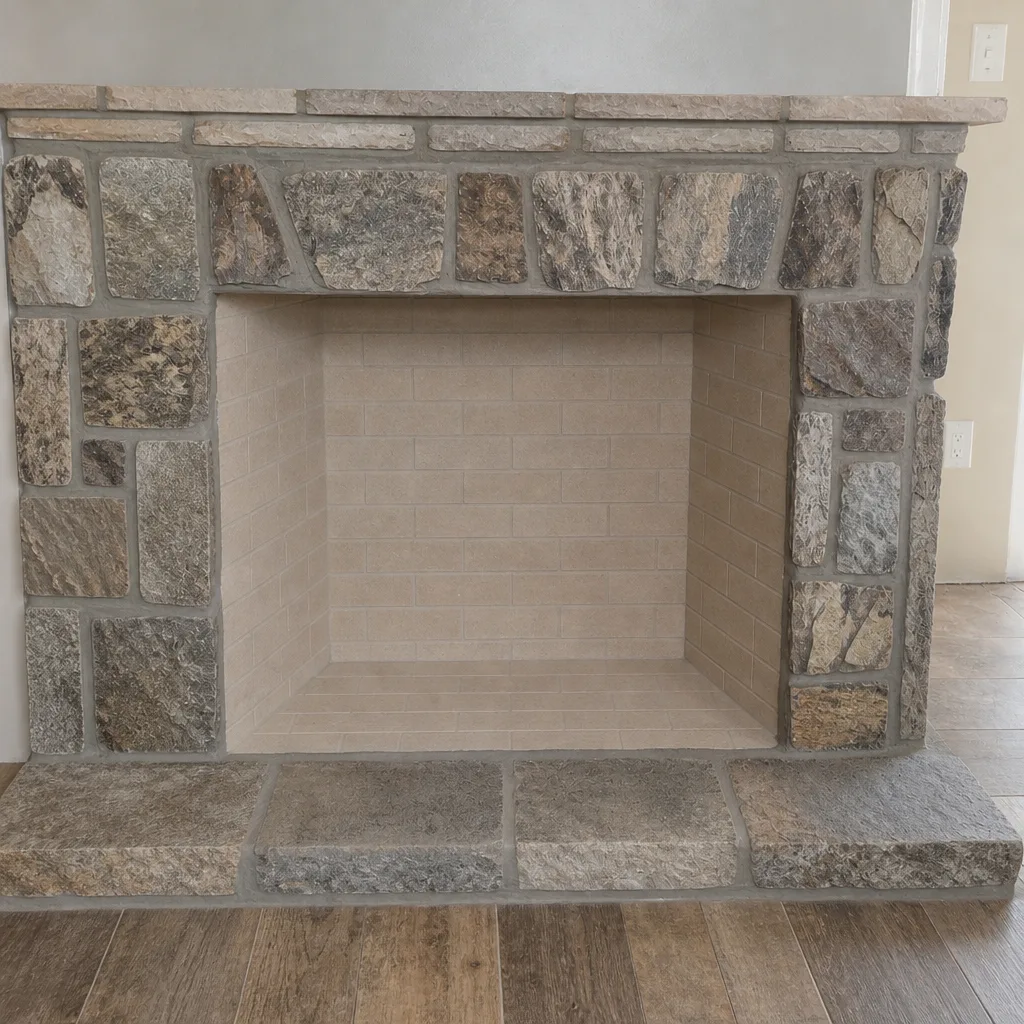 After
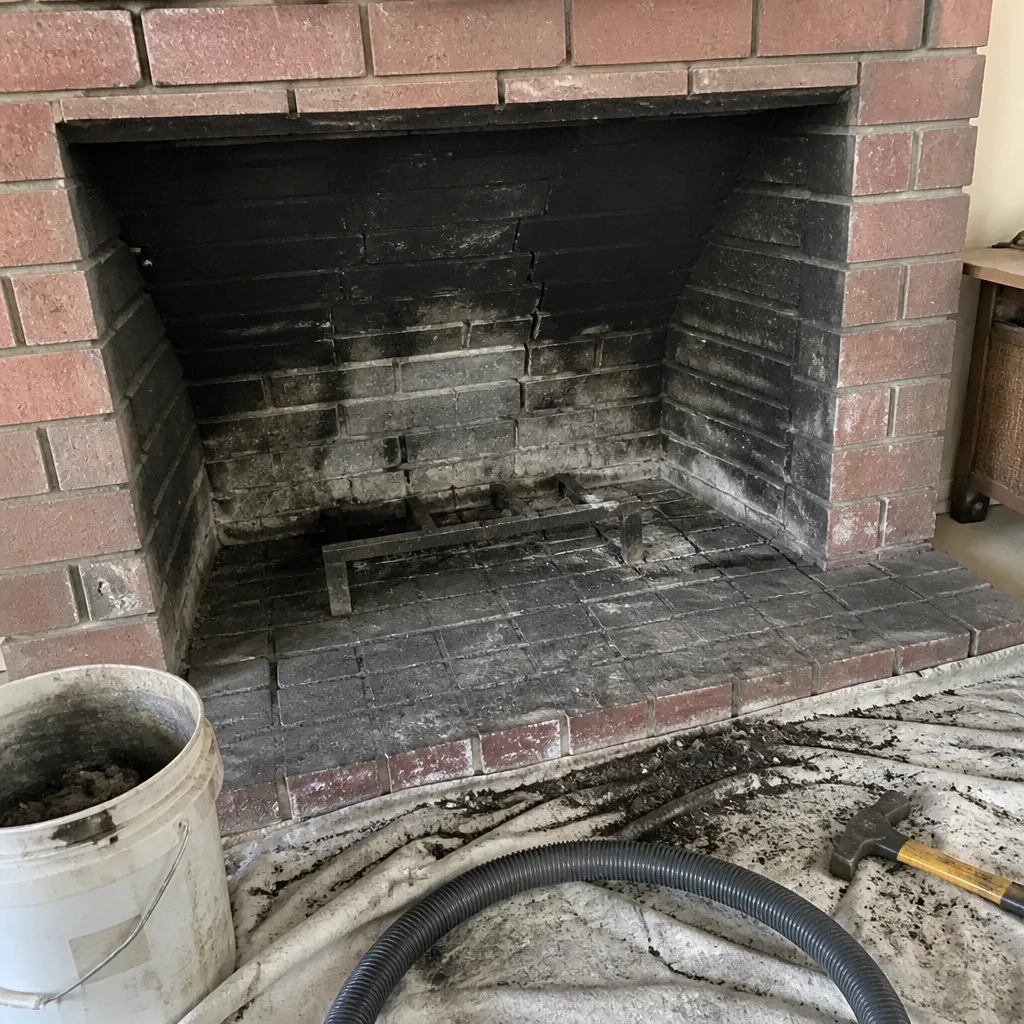 Before
 After
 Before
 After
When to Call a Professional
The work that earns a call is specific: a flue that hasn’t been inspected in over a year, a chimney fire in the past, a recent appliance change, ongoing draft problems, water staining in the firebox, or a strong creosote smell on warm days. Any of those is a straightforward reason to schedule a sweep and Level 1 inspection, which is the low-cost first step. If the inspection turns up something that matters, a Level 2 with camera evidence is the next move, and any repair recommendation past that point should come with documented findings.
Garden Grove Chimney Sweep offers free estimates in Garden Grove. Call (877) 492-3690. We work with brands such as HeatShield, DuraFlex, Gelco, Olympia Chimney, Famco, and Copperfield, so the right material for the job is already available when we arrive. Our technicians have up to 13 years of experience. We answer 24/7. Fast dispatch from 7am to 7pm, Sunday through Friday.
Frequently Asked Questions
No. A routine chimney sweep and a Level 1 visual inspection are maintenance, not permit-requiring work. The permit questions start when the work changes the venting system, the flue, the crown, or the firebox structure. Call (877) 492-3690 for an exact quote on either a sweep or a permitted repair – estimates are free.
Usually yes. Liner installation is a modification to a venting system under California Mechanical Code, and most jurisdictions, Garden Grove included, require a permit for it. Skip the permit, and you’ve created a gap your insurer can point to after a fire-related claim. If you’re being quoted a reline, ask the contractor to confirm the permit path in writing.
A Level 1 inspection is a visual check of accessible components and is standard with an annual sweep. A Level 2 adds a video scan of the flue interior and is required after an appliance or venting change, after a chimney fire, or before a property sale. A Level 3 opens concealed areas when a serious hazard is suspected. Most Garden Grove homes only need Level 1 annually, with a Level 2 whenever something changes.
Sometimes, yes. HeatShield restores deteriorating flue tiles by sealing cracks and rebuilding a smooth interior surface, which addresses a wide range of aging flue conditions under NFPA 211’s integrity standard. It won’t fix every flue, though; badly compromised tile systems, wrong-sized flues, or an appliance demanding a specific listed liner still call for a full reline with something like a DuraFlex flexible liner. The right answer depends on what the camera shows. Call (877) 492-3690 and we’ll walk through both options.
The final inspection sign-off from the city, any certificate of occupancy if applicable, manufacturer warranties for the liner and cap, a written labor warranty, and the Level 2 inspection report with the “before” camera evidence. Together, they protect you at resale and in any insurance scenario. If your contractor didn’t volunteer them, ask directly.
Sweep annually, and clean when creosote buildup reaches roughly an eighth of an inch on the flue walls. In Garden Grove’s mild climate, intermittent burning can deposit creosote more slowly than cold-country use, which tempts people to skip a year. Don’t. The creosote doesn’t care that the winter was warm. If you’re not sure where your flue stands, a fireplace repair and inspection visit answers it in one trip. Call (877) 492-3690 for a free estimate.
The Bottom Line
The line between cleaning and repair is the whole story here. Sweeps don’t need permits. Liner, crown, firebox, and venting modifications do, and they’re governed by the California Mechanical Code and NFPA 211 with Garden Grove’s Building Division signing off. Ask for the permit path in writing. Ask to see the camera evidence behind any recommendation. And when the job closes, ask for the inspection record and manufacturer warranties before you release the final payment. That’s how a chimney repair in Garden Grove gets done in a way that still holds up years from now, and it’s how Garden Grove Chimney Sweep works. Call (877) 492-3690 for a free estimate. We answer 24/7. Fast dispatch from 7am to 7pm, Sunday through Friday.
Written by the team at Garden Grove Chimney Sweep.