
Last updated November 23, 2026
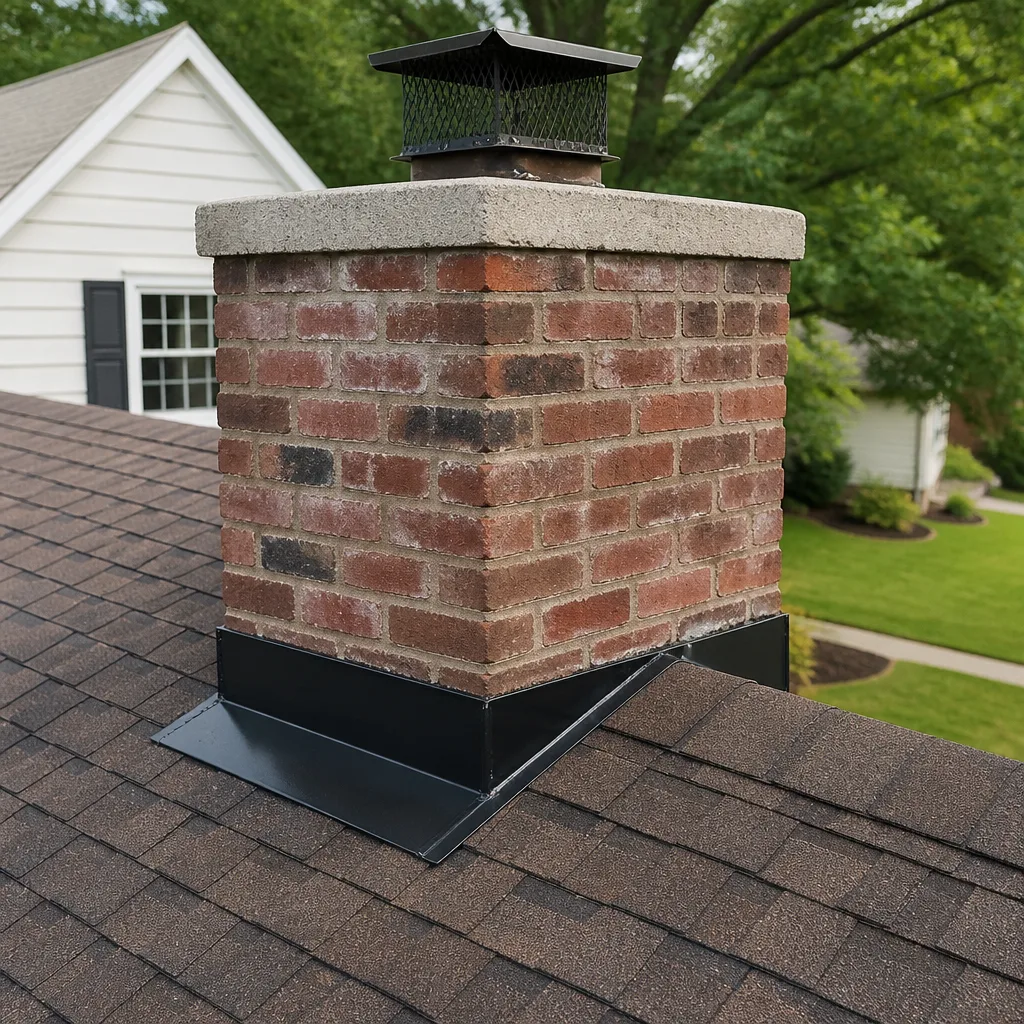 Sweep & inspection
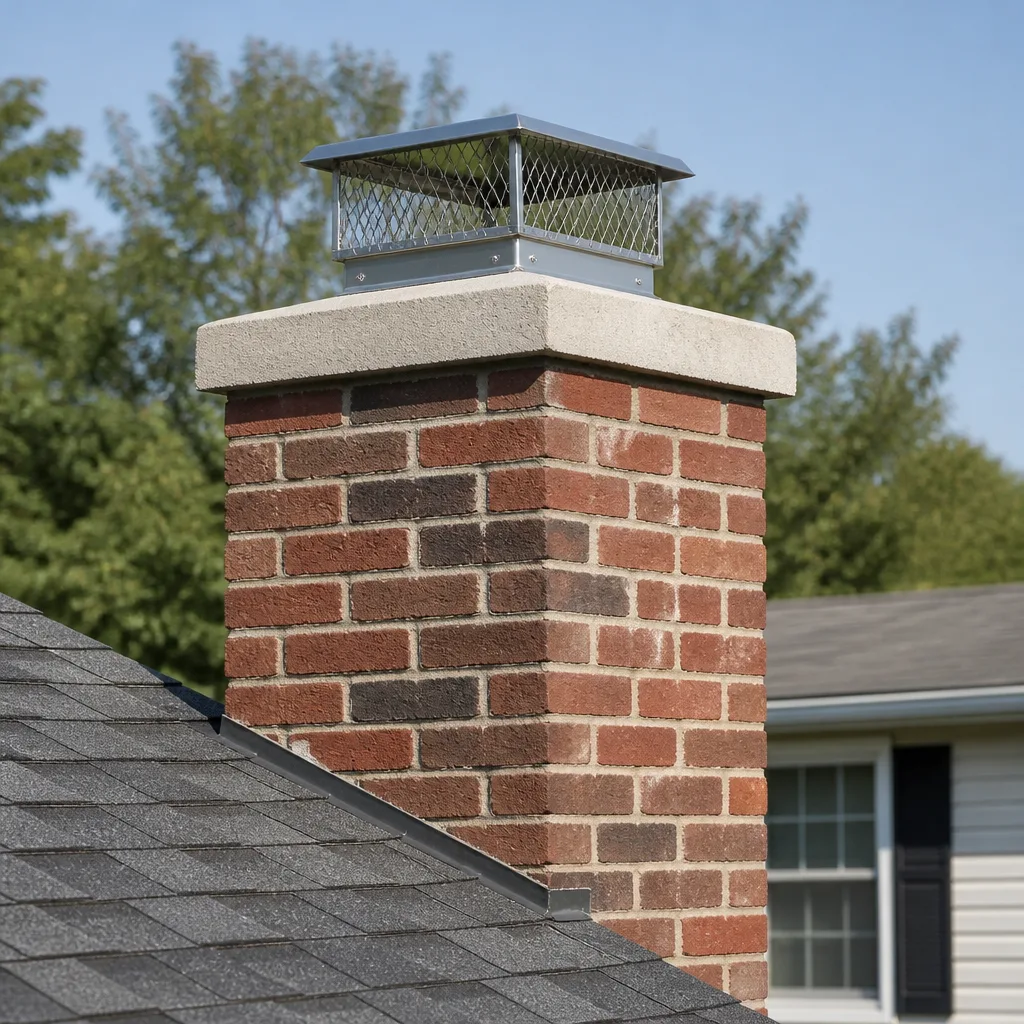 Caps & crowns
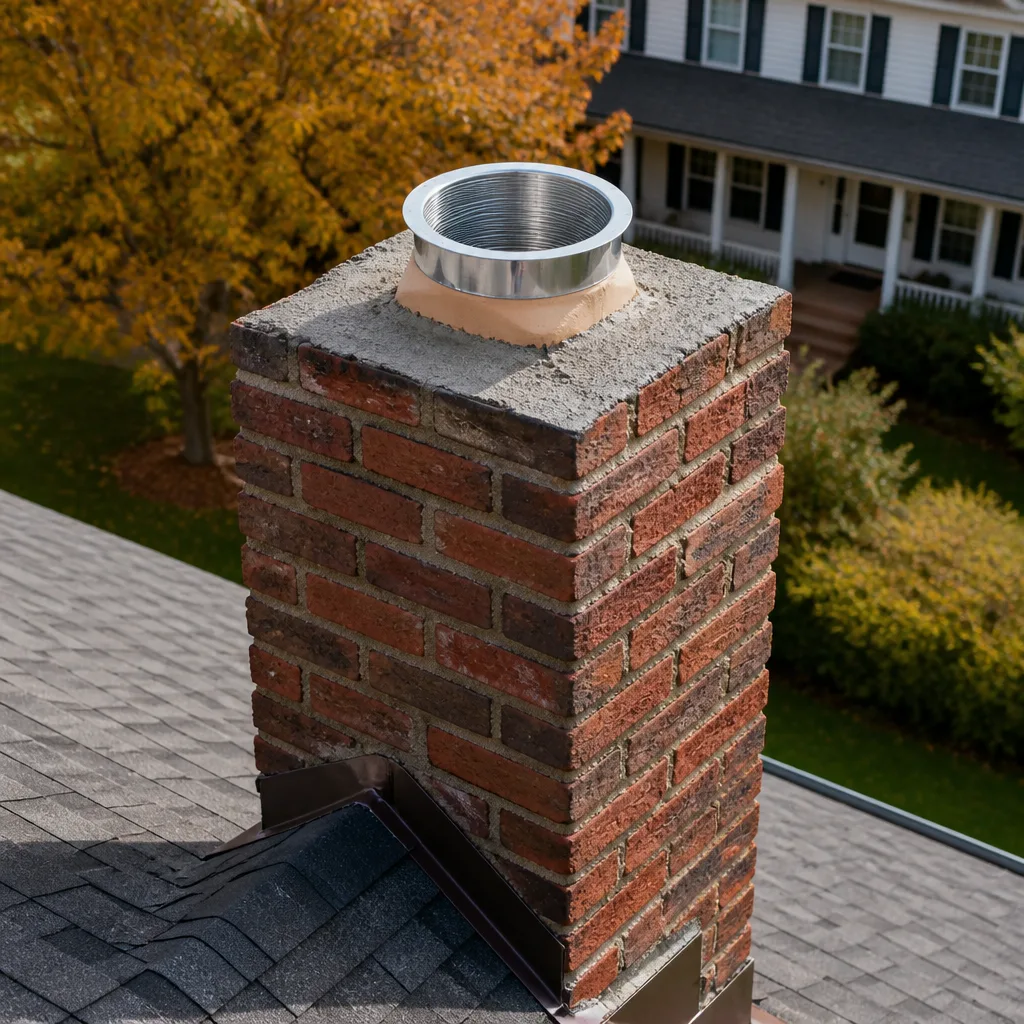 Flue relining
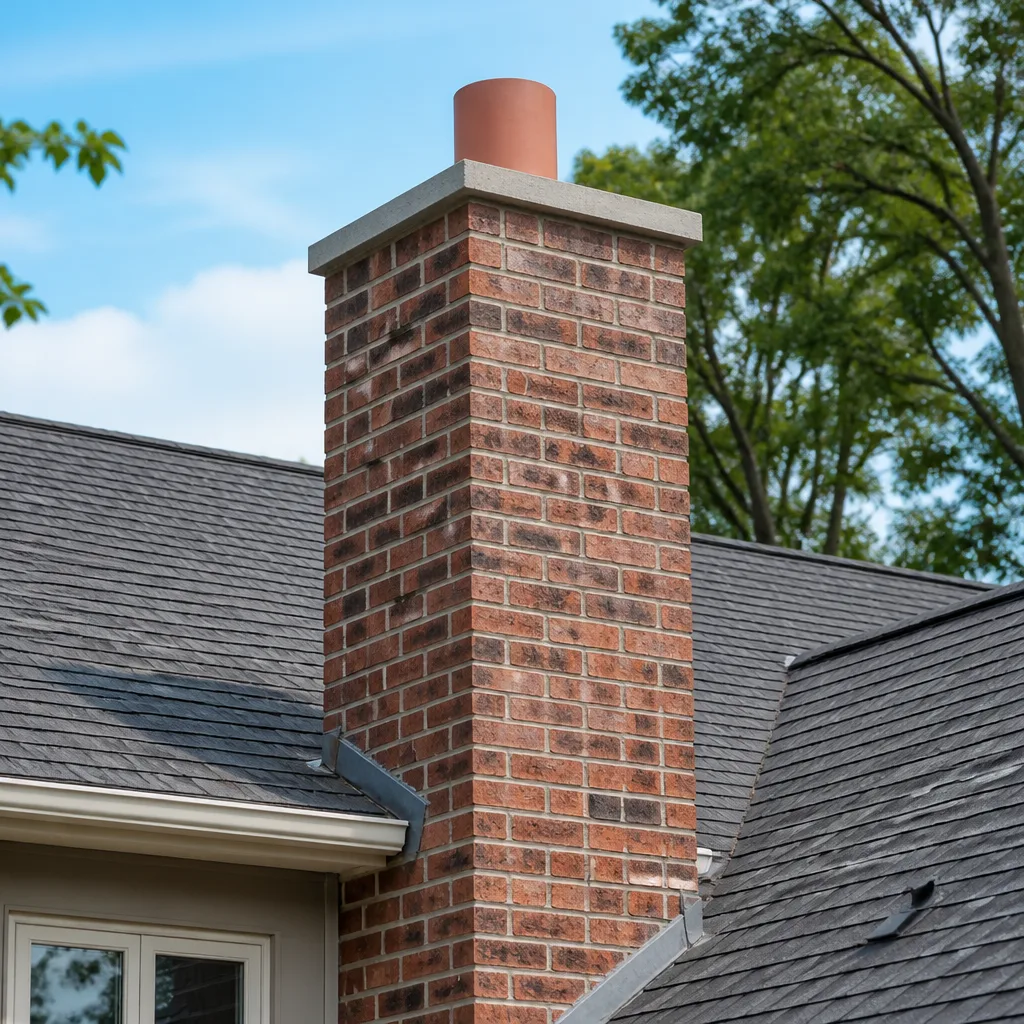 Masonry repair
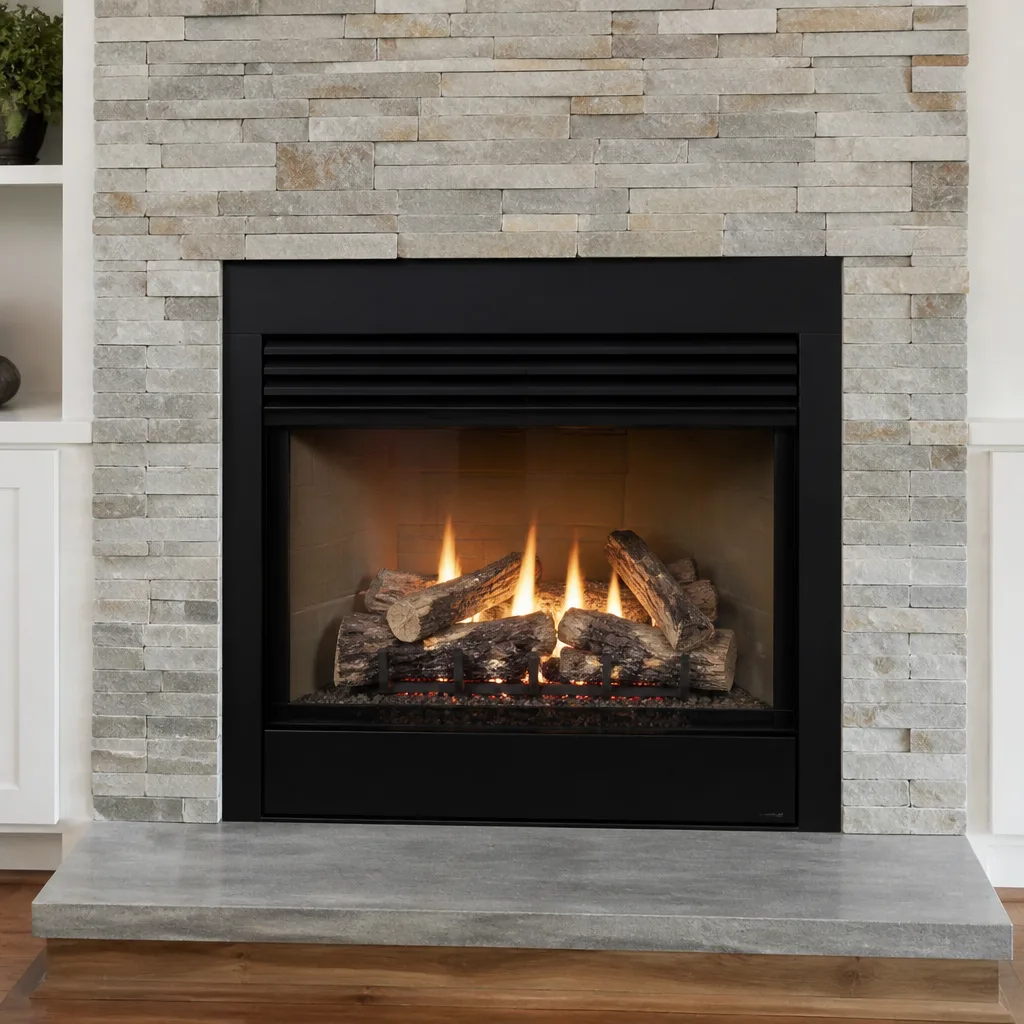 Gas fireplace service
Level 1 sweep and inspection to the NFPA 211 annual standard - flue, crown, cap, and flashing checked and photographed
Chimney sweep logs do not sweep chimneys. They loosen some creosote - which then falls where a brush and vacuum still have to collect it.
Chimney Cleaning Emergency Preparedness Guide for Garden Grove Homes
During an active chimney fire, the instinct to douse it with water is exactly wrong. Water on a hot flue can crack or shatter clay tiles through thermal shock, and in a worst case that opens a path for fire into the framing behind the chimney. The first ten minutes of a chimney emergency are about decisions, not supplies: what to close, what to leave alone, when to call 911, and when the right move is to starve the fire of air and let a suppressant do its job. This guide walks Garden Grove homeowners through those minutes for a chimney fire, a carbon monoxide event, and a smoke backdraft, then covers the steps that keep a bad night from becoming a worse one. You’ll learn the response sequence, how to tell a partial blockage from a full obstruction, what changes after the fire department leaves, and how to prepare before anything happens.
Quick Answer
In a chimney fire, get everyone out, call 911, and cut the fire’s air supply by closing the fireplace doors or damper only if you can do it safely from outside the firebox. Never throw water into a hot flue. After any fire department response, the chimney cannot be used again until a post-incident Level 2 inspection is completed and clears it for service. For a carbon monoxide alarm with a gas insert, treat it as an emergency: shut the appliance off, ventilate, leave the home, and call 911 if anyone has symptoms.
Styles & brands we work with
- Sweep & inspection
- Caps & crowns
- Flue relining
- Masonry repair
- Gas fireplace service
Table of Contents
- The First Ten Minutes of a Chimney Fire
- When a Suppressant Is Right and When 911 Is
- Carbon Monoxide: Partial Blockage vs. Full Obstruction
- After the Fire Department Responds
- Santa Ana Winds, Caps, and Downward Draft
- Pre-Emergency Prep: What to Have Documented
- Smoke Backdraft and What It’s Telling You
- Prevention: The Maintenance That Prevents Emergencies
The First Ten Minutes of a Chimney Fire
A chimney fire can sound like a low roar, a rumble, or a series of pops and cracks traveling up the flue. You may see thick smoke at the cap, glowing or discolored metal on a prefab chimney, or flames and sparks exiting the top. Some slow-burning fires give off little visible sign beyond a sudden heat smell and heavy smoke in the firebox. In our experience, the sound is often the first clue homeowners notice. What you do in the next ten minutes matters more than anything that comes after.
Work through this sequence in order:
- Get people out first. Move everyone, including pets, to a safe spot outside or to the far end of the home away from the chimney chase. A fire inside a flue can spread into framing without visible flame in the room.
- Call 911. Report a possible chimney fire. Tell the dispatcher what you’re seeing and hearing and whether anyone is still inside. Do not wait to confirm the fire before calling.
- Cut the air. If you can reach the fireplace doors or damper safely and without standing in smoke or near flame, close them. A chimney fire feeds on oxygen moving up the flue, and shutting that flow starves it. If reaching the damper means opening a hot door or leaning into smoke, leave it and get out.
- Do not throw water into the firebox or flue. This is the single most common mistake. Thermal shock from cold water on hot tile or metal can crack the liner and open gaps into the chimney structure.
- Shut off the gas log set or insert if you have one. Kill the fuel source at the valve or switch if it’s within safe reach. A gas-fed fire inside a flue is a different and faster problem.
- Close windows and vents near the fireplace if you can do it on your way out. This reduces the air feeding the fire and limits smoke pulling into the house.
- Stay out until the fire department clears the scene. Do not re-enter to check the firebox or gather belongings.
If you smell smoke but see no fire, and there’s no roar or popping, you may be dealing with a smoldering creosote fire or a backdraft rather than an active chimney fire. Treat any unexplained smoke inside the home near the chimney as a reason to get out and call, and let the fire department confirm what’s happening. A Garden Grove home with a blocked or partially blocked flue can fill with smoke fast, and smoke inhalation is the hazard that catches people off guard.
When a Suppressant Is Right and When 911 Is
A chimney fire suppressant is a tool for a fire you’ve already confirmed is burning inside the flue and that you can reach safely from the firebox, typically a slow-burning, low-intensity fire where the structure isn’t visibly compromised and no one is in danger. It is not a substitute for 911 in an active, roaring fire or when flames or smoke are escaping into the room. The distinction matters because the wrong choice wastes minutes.
Here’s how we frame the decision for Garden Grove homeowners:
- Call 911 when: you hear a roar or popping, see flames or sparks at the cap, see smoke pouring into the room, smell burning in the walls, or cannot confirm where the fire is. Also call if anyone has symptoms of smoke inhalation.
- A suppressant is reasonable when: the fire is small and contained to the flue, you’ve already called 911 or the fire is clearly dying down, and you can apply it from the firebox without opening a hot door or reaching into smoke.
- Never use a suppressant as a reason to delay the call. If you’re unsure, call. Dispatch can tell you what to do while help is on the way.
Once a suppressant is applied, the fire is not “handled.” A flue that has burned hot enough to need one has likely suffered some damage, and creosote that ignited once can reignite while the flue is still hot. The chimney stays out of service until a professional inspects it. That’s true whether the fire was small or large.
Carbon Monoxide: Partial Blockage vs. Full Obstruction
Carbon monoxide from a gas fireplace insert or a gas appliance vented through the chimney is colorless and odorless, so the alarm is your only reliable warning. A partial flue blockage lets some exhaust escape and some spill back into the room, often producing a faint exhaust smell near the fireplace, soot streaks on the surround, or a lazy, unstable flame. A full obstruction traps exhaust with nowhere to go, and the spillback can be immediate and heavy, which is why a full blockage is the more dangerous of the two even when the fire looks normal.
Knowing the difference helps you act:
- Partial blockage signs: a light gas or exhaust smell when the insert runs, soot on the glass or surround, the flame pulling or flickering oddly, a CO alarm that occasionally chirps or reads low levels.
- Full obstruction signs: a strong exhaust smell filling the room, the insert flame going out or burning poorly, heavy condensation on cold surfaces, a CO alarm sounding at high levels, or symptoms like headache, dizziness, nausea, or confusion in anyone in the home.
If a CO alarm sounds, treat it as real. Shut the appliance off, open windows and doors, get everyone outside, and call 911 if anyone has symptoms. Do not re-enter to “reset” the alarm or run the fireplace to see if it happens again. For a low-level reading with no symptoms, still shut the insert off, ventilate, and call a professional to inspect the flue before using it again. Our chimney repair team sees blocked and partially blocked flues most often after a season of heavy use without a sweep, and it’s the kind of problem a routine inspection catches before it becomes a CO event.
After the Fire Department Responds
Once the Garden Grove Fire Department has responded to a chimney event and cleared the scene, the chimney is not cleared for use. That’s the part homeowners miss. The fire department’s job is to put out the fire and confirm the structure is safe to occupy, not to evaluate the condition of the flue liner inside the chimney. A compromise inside the liner, a cracked tile, a warped prefab section, or a gap in the flue can look completely intact from the outside while letting exhaust or fire into the chimney structure.
The required next step is a post-incident Level 2 inspection. A Level 2 inspection includes a visual exam of the accessible chimney plus a camera inspection of the flue interior, which is how a technician sees damage that can’t be seen from the firebox or the roof. Until that inspection is completed and the chimney is cleared, don’t burn anything in the fireplace or run a gas insert.
A documented post-incident inspection gives you three things: confirmation that the flue is sound or a clear description of what isn’t, a photo record of the condition for your insurer if you’re filing a claim, and a baseline for any repair recommendation. It’s also your protection against being sold work you don’t need. We’ll show you what we found on camera and explain what can safely wait versus what can’t. If the liner is sound, that’s the answer, and you’ll have the documentation to prove it.
The Garden Grove Chimney Sweep team performs Level 2 inspections with camera equipment as part of our standard service, and we recommend scheduling one before the next burning season if it hasn’t been done.
Santa Ana Winds, Caps, and Downward Draft
A Santa Ana wind event can do two things to a chimney in a single afternoon: displace the cap or crown, and create enough downward pressure to force exhaust back into the home instead of up the flue. The wind gusts push down the stack, the cap gets lifted or twisted or blown loose, and the next time you light a fire the draft runs the wrong way. That’s a CO risk, not just a smoky room.
After a strong wind event, check for these signs before lighting a fire:
- A missing or displaced cap visible from the ground or the roof line. If the cap is gone or sitting crooked, don’t burn until it’s reinstalled. An open flue is an open door for debris, animals, and water.
- Downward draft when you light a fire: smoke rolling out of the firebox into the room, a flame that won’t stay lit, or a strong smell of smoke in the house. This usually means the chimney is being pressurized from the top.
- Loose crown material or cracks at the top of the chimney that let water into the flue structure and set up damage over the wet season.
- Displaced flashing at the roof line, which is a water-intrusion problem that gets worse with the next rain.
If a fire won’t draft or smoke is coming back into the room, stop. Put the fire out safely if you can, open a window, and call for an inspection. A cap and crown installation is one of the services we treat as primary rather than an afterthought, because a displaced cap during a wind event is exactly how a sound chimney becomes a damaged one. Our fireplace repair service covers the firebox and damper side of the same problem, so a draft issue gets addressed at both ends.
Pre-Emergency Prep: What to Have Documented
The single most useful thing you can do before an emergency is know your chimney’s basic facts. When a technician arrives during or after an incident, the difference between a fast, accurate assessment and a slow guessing game is whether that information is written down somewhere. It takes ten minutes to gather and it’s the most practical preparedness step available to a Garden Grove homeowner.
Put these on a single sheet of paper, in a folder or on your phone:
- Chimney type: masonry (brick and mortar) versus prefabricated metal. The response and inspection methods differ, and a prefab chimney has manufacturer clearances that matter.
- Flue type and liner material: clay tile, stainless steel liner, cast-in-place, or unlined. If a liner was installed, note the brand and model if you can find it (DuraFlex flexible liner systems are common for relining work in complex or offset flues).
- Last service date: when the chimney was last swept and inspected, and by whom. A recent baseline makes spotting new damage much easier.
- Appliance inventory: wood-burning fireplace, gas insert, gas log set, or a wood stove, plus any gas appliances vented through the chimney.
- Cap and crown details: whether a cap is installed and what kind, and the condition of the crown at the last inspection.
- Access notes: where the cleanout door is, whether the roof is accessible for inspection, and any prior repair work such as flue resurfacing with HeatShield.
Pair the documentation with a maintained smoke alarm and a working carbon monoxide alarm on every level of the home, and a fire extinguisher rated for the type of fire you might face. Those are the pieces of preparation that matter. A chimney fire is fought with decisions and with a clear head, not with a bucket of water.
Smoke Backdraft and What It’s Telling You
Smoke backdraft (also called smoke roll-out or spillage) is smoke that should go up the flue but instead comes into the room. A little smoke at the first light of a cold chimney is normal; a room that fills with smoke is not. When smoke backs into the room, it’s the chimney telling you the draft is compromised, and that same compromised draft can push carbon monoxide back in with the smoke.
Common causes we check for in Garden Grove homes:
- Partially blocked flue from creosote buildup or a bird or animal nest, which narrows the path and reduces draft.
- A flue that’s too cold or too short for the appliance, a sizing issue that shows up most on the first fire of the season.
- Negative pressure in the home from a kitchen fan, bath fan, or a tightly sealed house pulling air down the chimney instead of up.
- A displaced or missing cap letting wind-driven air down the flue, which is common during a Santa Ana wind event.
- A cracked or deteriorated liner that lets air in through the chimney structure and disrupts the draft.
If it happens once and clears, note it and keep an eye on it. If it happens every time you light a fire, or gets worse, stop burning and get an inspection. Smoke in the room is a draft problem, and a draft problem is the beginning of a CO problem. It’s cheaper to find out what’s causing it than to keep running the fireplace and hope it improves.
Prevention: The Maintenance That Prevents Emergencies
Most chimney emergencies start as maintenance that didn’t happen. Creosote builds up, a cap goes missing, a crown cracks, and the next heating season turns a routine sweep into a repair. The good news is that the prevention list is short and the work is straightforward. Our chimney sweep service is the starting point: a sweep clears the creosote and an inspection establishes a documented baseline of the flue and firebox condition before anything is recommended.
The annual maintenance rhythm that keeps a Garden Grove chimney out of the emergency category:
- Annual sweep and inspection for any chimney you actually use, wood or gas.
- Cap check at the start of each heating season and after any significant wind event.
- Crown check for cracks and loose material that let water into the flue structure.
- Flue resurfacing when the tile is deteriorating. HeatShield resurfacing can restore a deteriorating flue without a full reliner in the right conditions, which is a less invasive option than a lot of homeowners are told exists.
- Relining when it’s genuinely needed, with a system built for the long run like a DuraFlex flexible liner, sized to the flue and appliance.
Quality materials matter here more than most homeowners realize. We work with professional brands including Olympia Chimney, Famco, Copperfield, and DuraFlex for a reason: liner systems and cap components from recognized manufacturers are built to spec and hold up season after season. Restore, don’t just patch is the principle behind our work, because a temporary fix on a chimney is a problem that comes back, sometimes worse. One company handling the full chimney, from sweep through structural chimney repair and cap installation, means no handoffs and nothing lost between contractors.
Common Mistakes to Avoid
- Throwing water into a hot flue. Thermal shock can shatter clay tiles and crack metal liners, opening a path for fire into the framing. Let the fire department handle an active fire, not a bucket.
- Using a fire to “test” whether the chimney works. After an incident or a wind event, lighting a fire to see if the draft is back is a common instinct and the wrong one. A CO or draft problem gets worse with a fire, not better.
- Returning to the fireplace after the fire department leaves. The scene being cleared doesn’t mean the flue is cleared. A post-incident Level 2 inspection comes before the next fire, always.
- Ignoring a light exhaust smell near a gas insert. A faint smell you’ve gotten used to is a partial blockage in progress. It doesn’t have to set off a CO alarm to be a problem worth a camera inspection.
- Skipping the cap after a Santa Ana wind event. A displaced cap leaves the flue open to debris, animals, and water, and it’s one of the cheapest corrections there is if you catch it early.
- Treating a lowball quote as the whole story. A quote that’s far under the market usually means a smaller scope than the chimney needs. Ask what the written estimate covers and whether it includes a camera inspection and a photo report.
- Waiting until smoke is in the room. The draft warning signs come long before the emergency. A Garden Grove chimney that smells faintly of exhaust or smokes on first light is due for a look.
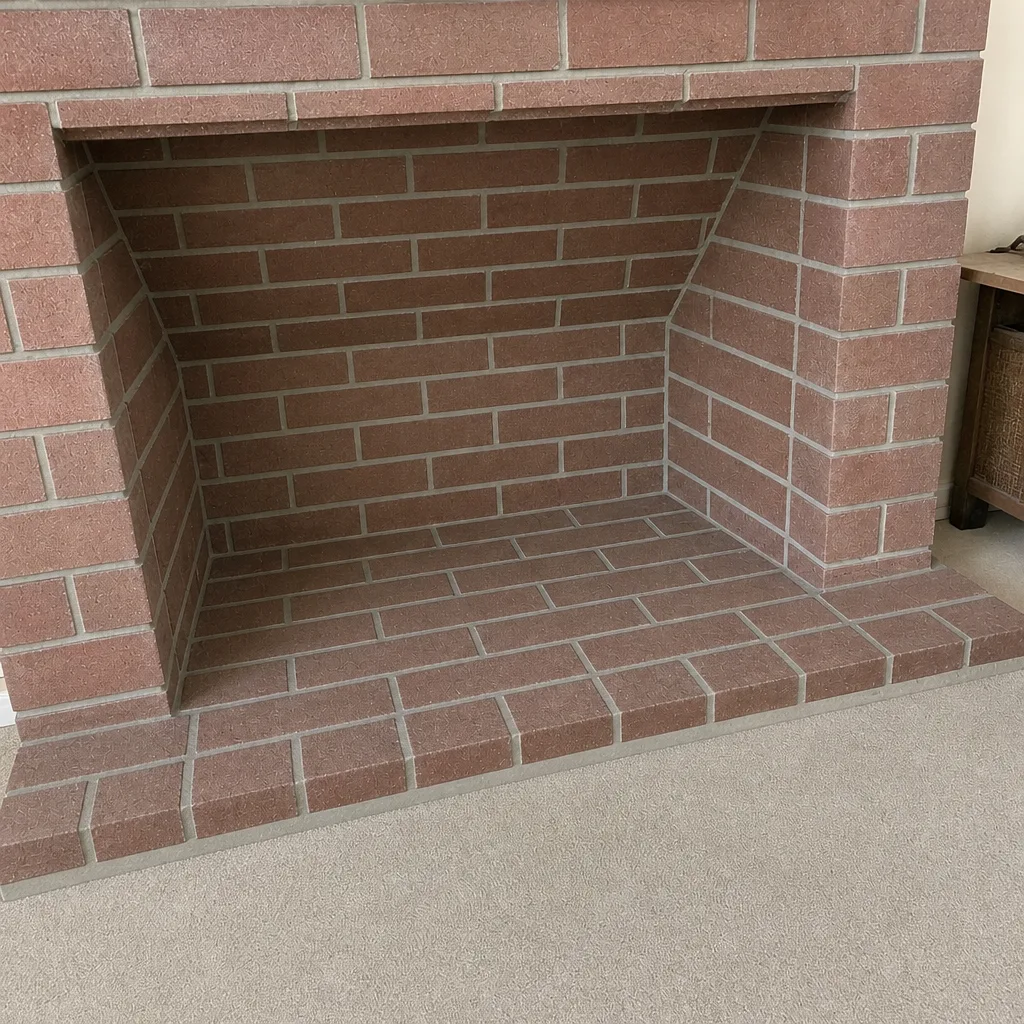
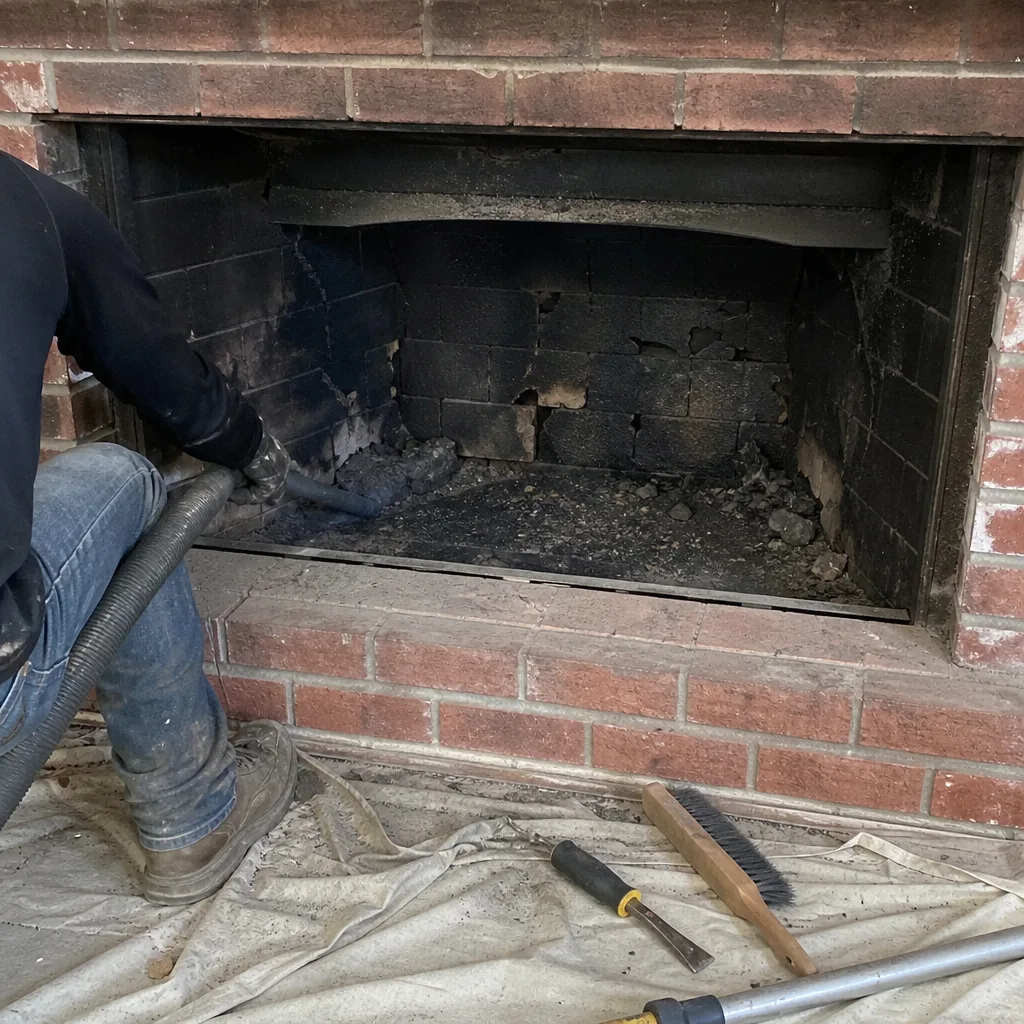
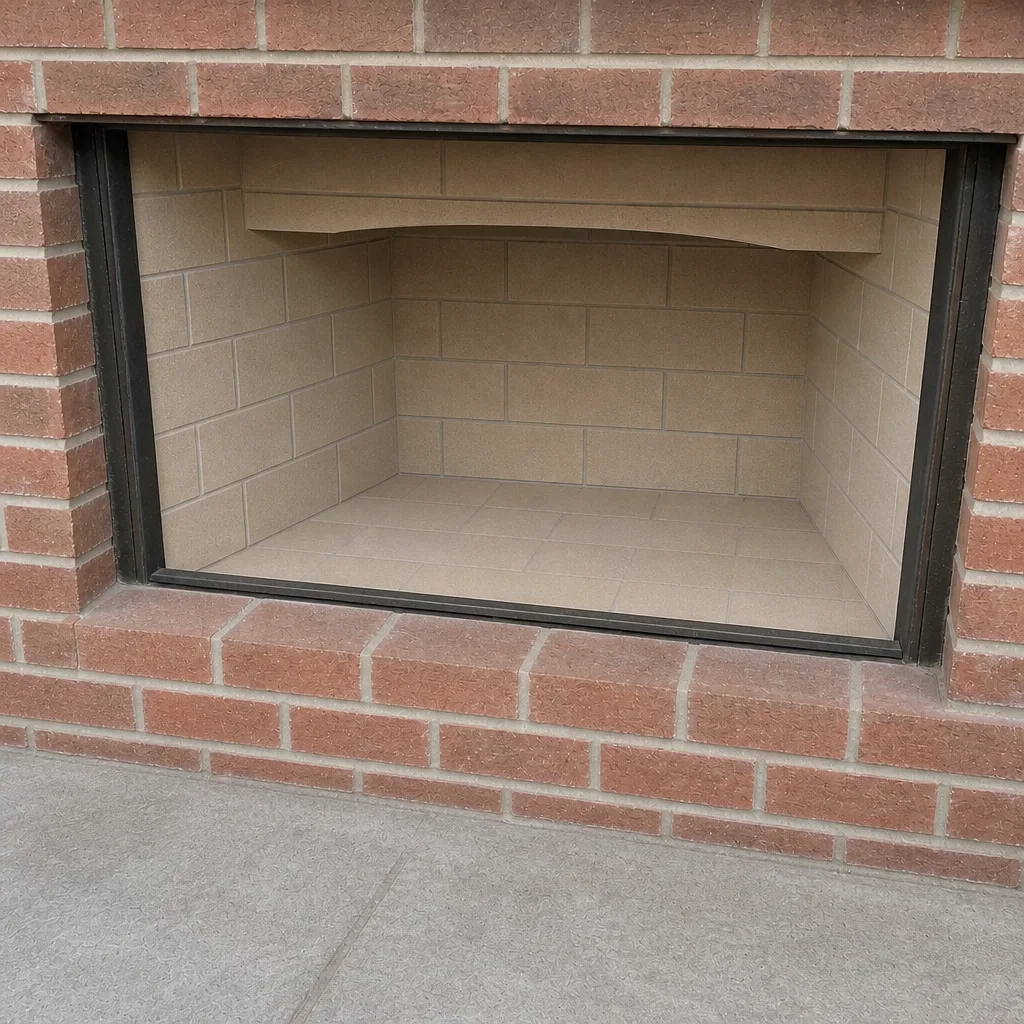
See the difference
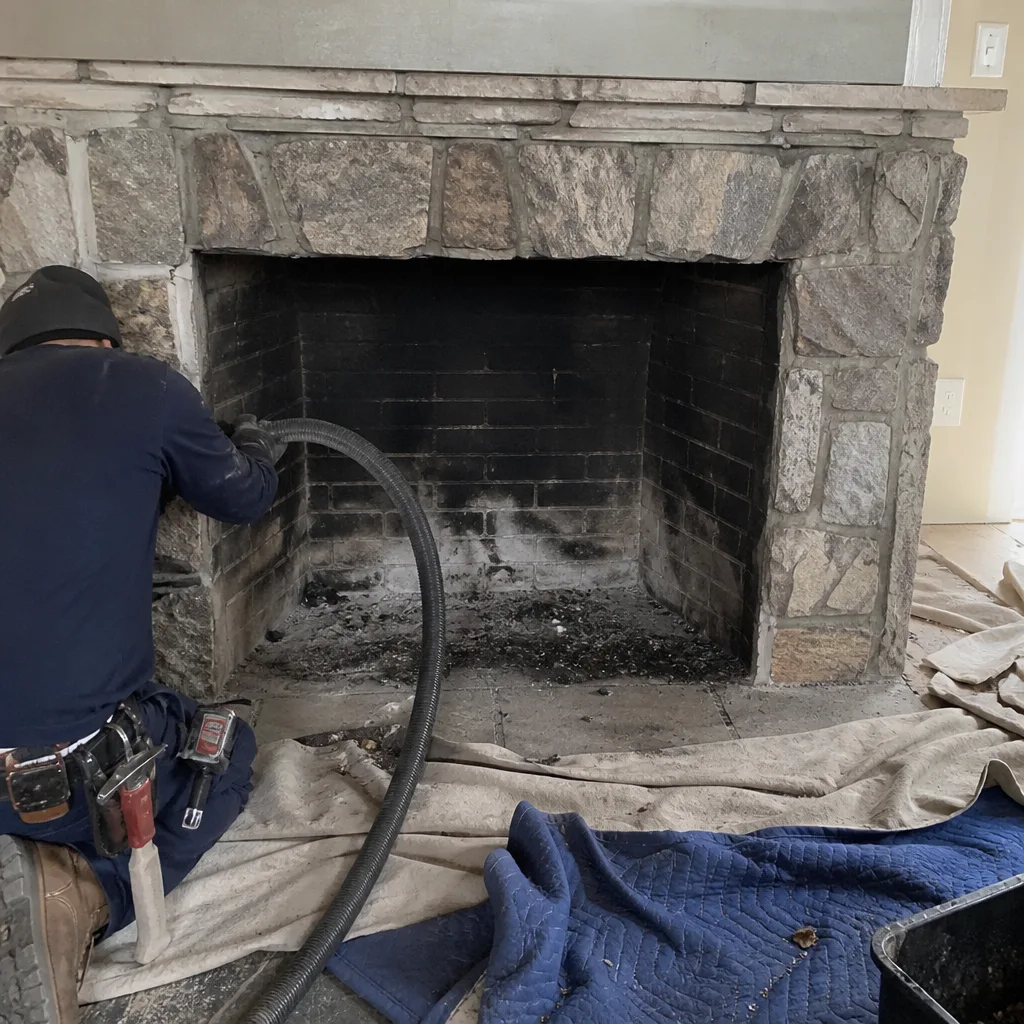 Before
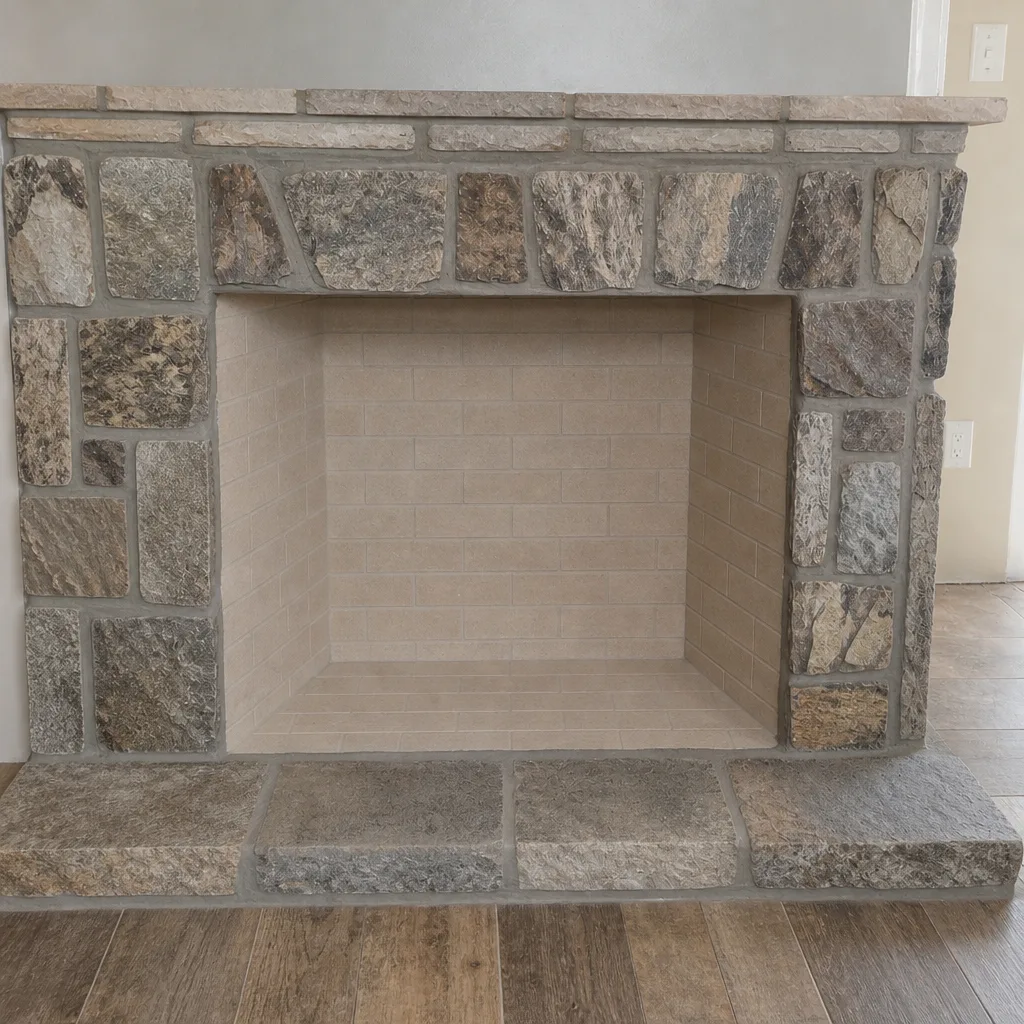 After
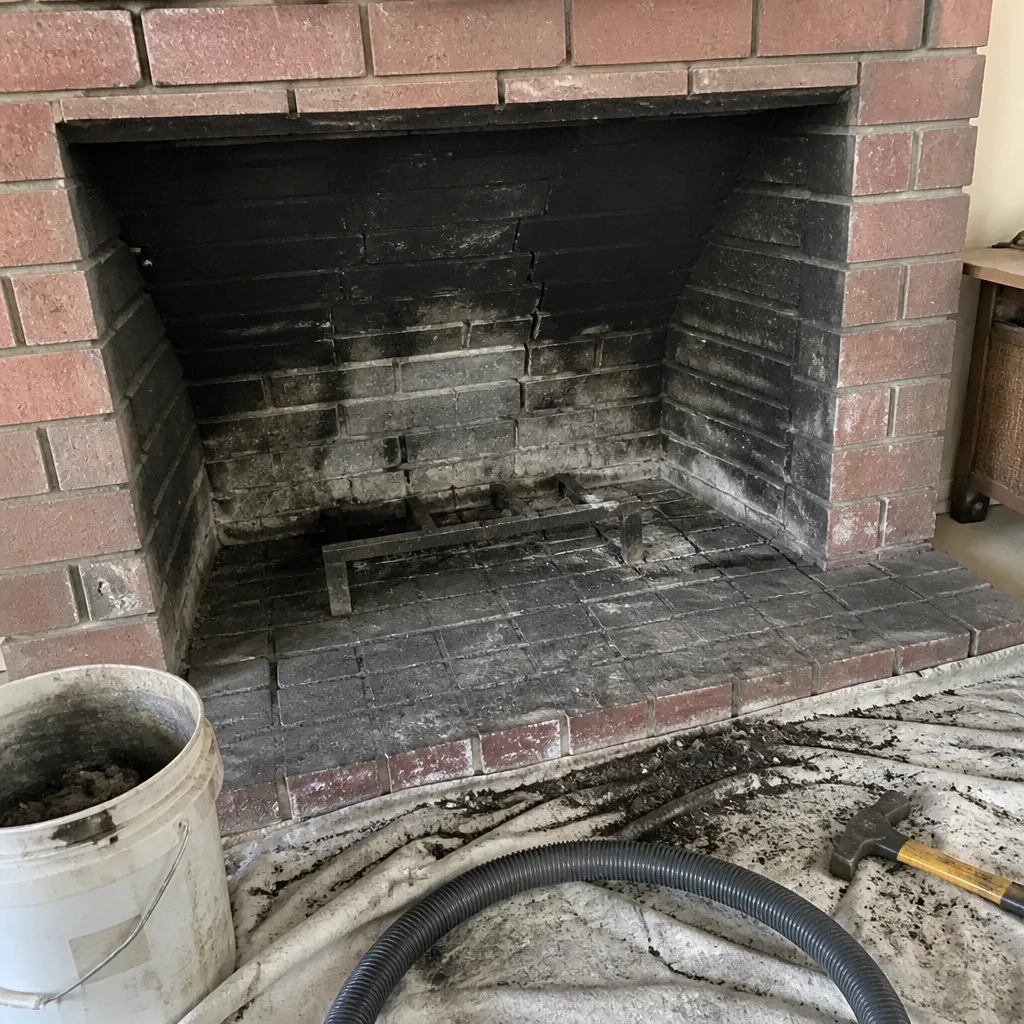 Before
 After
 Before
 After
When to Call a Professional
Call a professional after any fire department response, after a wind event that displaces your cap, and any time a fire won’t draft or smoke is coming into the room. Call if a CO alarm has sounded or a gas insert smells of exhaust, and call before the next heating season if your chimney hasn’t been swept and inspected within the year. The chimney can’t be safely used until a Level 2 inspection clears it, and a camera inspection is how you confirm the flue is sound. Garden Grove Chimney Sweep offers free estimates in Garden Grove. Call (877) 492-3690. We answer 24/7. Fast dispatch from 7am to 7pm, Sunday through Friday. Our technicians have up to 13 years of experience and show up equipped with the right materials before they arrive.
Frequently Asked Questions
Get everyone out of the house and call 911, then close the fireplace doors or damper only if you can do it safely without reaching into smoke or near flame. Cut the air supply to starve the fire, but never throw water into a hot firebox or flue. Stay out until the fire department clears the scene. Call (877) 492-3690 for a post-incident inspection once it’s safe to schedule one.
No. The chimney stays out of service until a post-incident Level 2 inspection is completed and clears it. The fire department confirms the structure is safe to occupy, not the condition of the flue liner inside the chimney. A camera inspection is the only way to confirm the flue is sound before the next fire. Call (877) 492-3690 to schedule the inspection.
A partial blockage usually shows as a faint exhaust smell, soot on the glass or surround, or an unstable flame, while a full obstruction produces strong exhaust smell, heavy condensation, poor or extinguished flame, and a CO alarm at high levels. Symptoms like headache, dizziness, or nausea mean get out and call 911. For a low-level reading with no symptoms, shut the insert off, ventilate, and call a professional before using it again. Call (877) 492-3690 for a camera inspection.
A strong wind event can lift, twist, or blow off a cap and pressurize the flue so exhaust goes down instead of up, which creates a carbon monoxide risk. Check for a missing or crooked cap and watch for smoke rolling into the room when you light a fire. If you see either, don’t burn until the cap is reinstalled and the flue is checked. Call (877) 492-3690 for a cap and crown inspection.
Only for a small, slow-burning fire you’ve confirmed is contained to the flue and that you can reach safely from the firebox, and only after you’ve called 911 or the fire is clearly dying. Never use a suppressant as a reason to delay the call. A roaring fire, flames or smoke escaping into the room, or a fire you can’t locate means call 911 immediately. Call (877) 492-3690 for an inspection afterward.
Document your chimney’s flue type, liner material, last service date, appliance inventory, and cap and crown details on a single sheet of paper, and keep working smoke and carbon monoxide alarms on every level. That information lets a responding technician assess the system quickly. Schedule an annual sweep and inspection to keep creosote and component wear from becoming an emergency. Call (877) 492-3690 for a free estimate.
The Bottom Line
Chimney emergency preparedness isn’t a supply kit. It’s knowing the first-ten-minutes sequence for a chimney fire, a CO event, and a smoke backdraft so you don’t make things worse while help is on the way. Get out, call 911, cut the air if it’s safe, and never throw water into a hot flue. After any fire department response, the chimney stays out of service until a post-incident Level 2 inspection completes. Keep your chimney facts documented, check the cap after wind events, and stay on an annual sweep and inspection schedule. That’s the maintenance that keeps a bad night from becoming a worse one.
Garden Grove Chimney Sweep offers free estimates in Garden Grove on every service, from a routine sweep and camera inspection through cap and crown installation and structural repair. Call (877) 492-3690. We answer 24/7. Fast dispatch from 7am to 7pm, Sunday through Friday.
Written by the team at Garden Grove Chimney Sweep.