
Last updated November 23, 2026
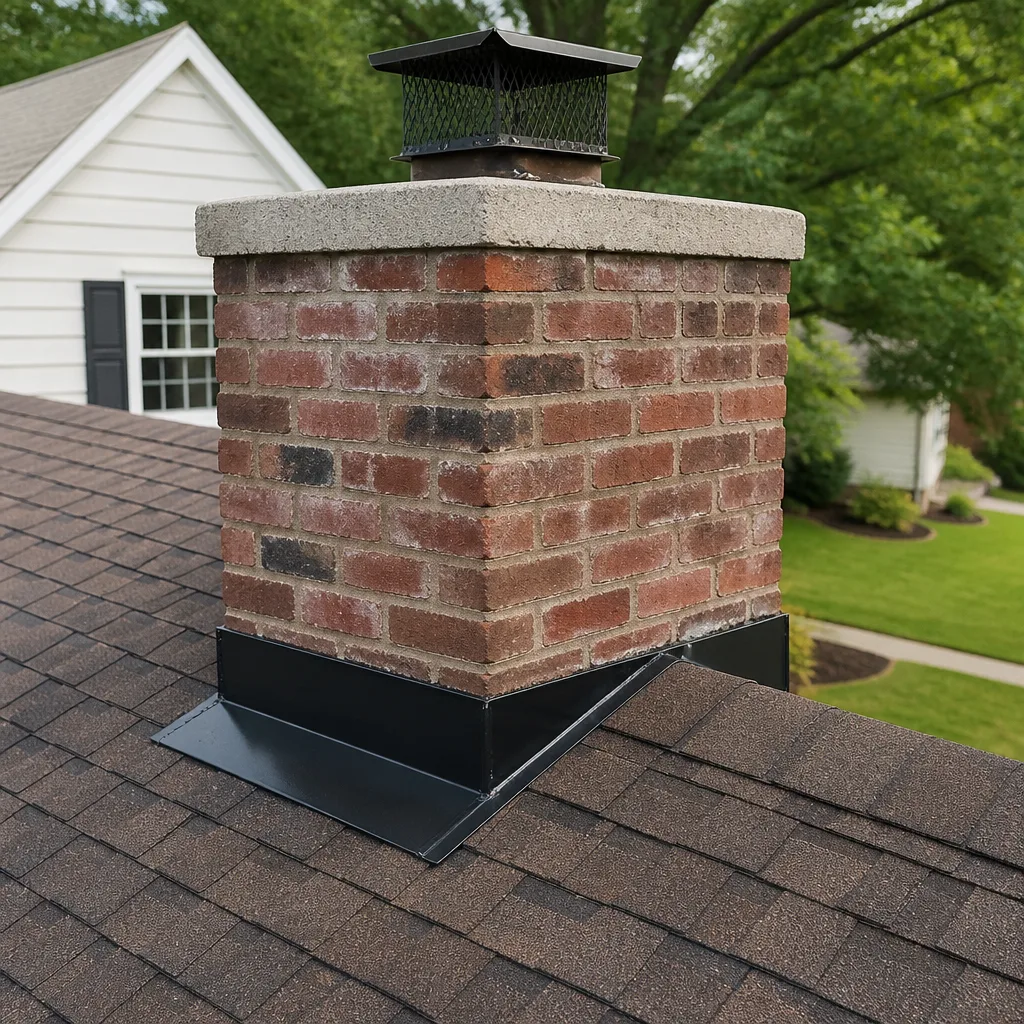 Sweep & inspection
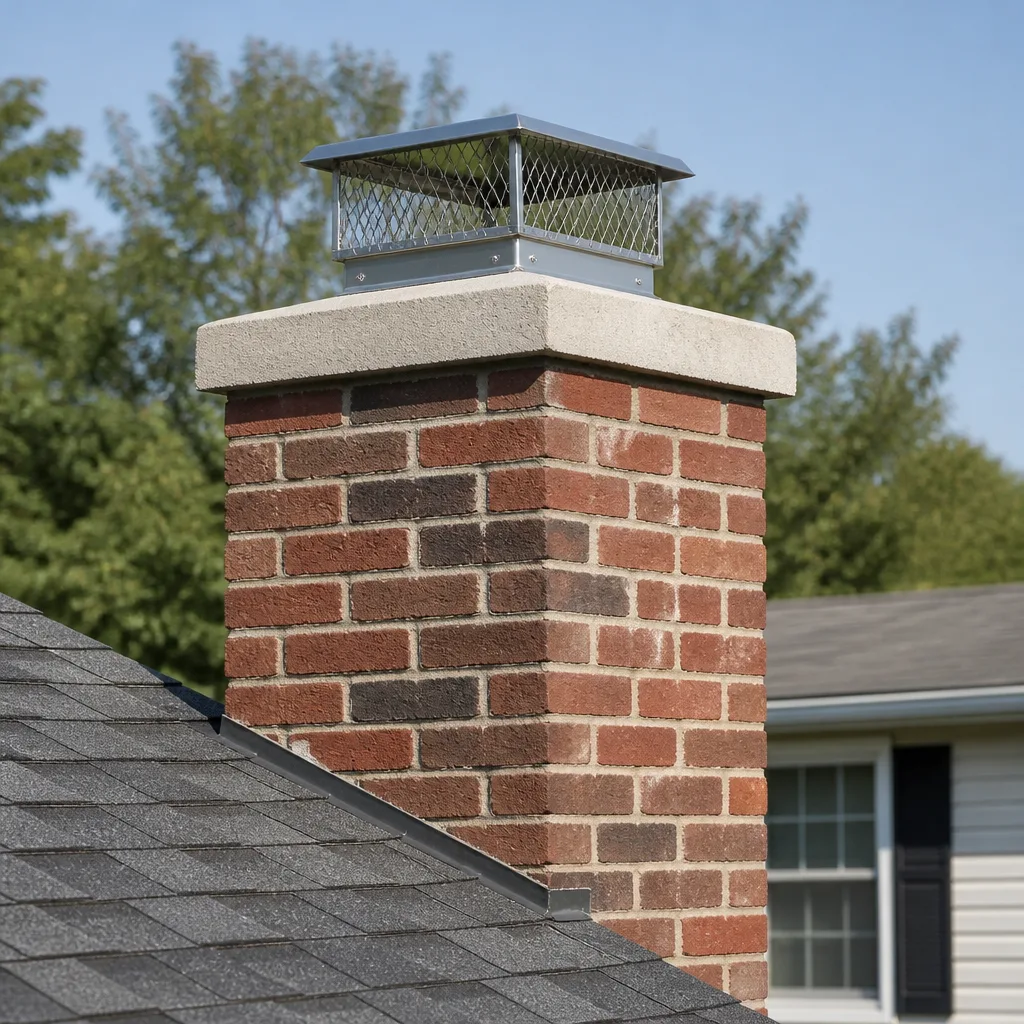 Caps & crowns
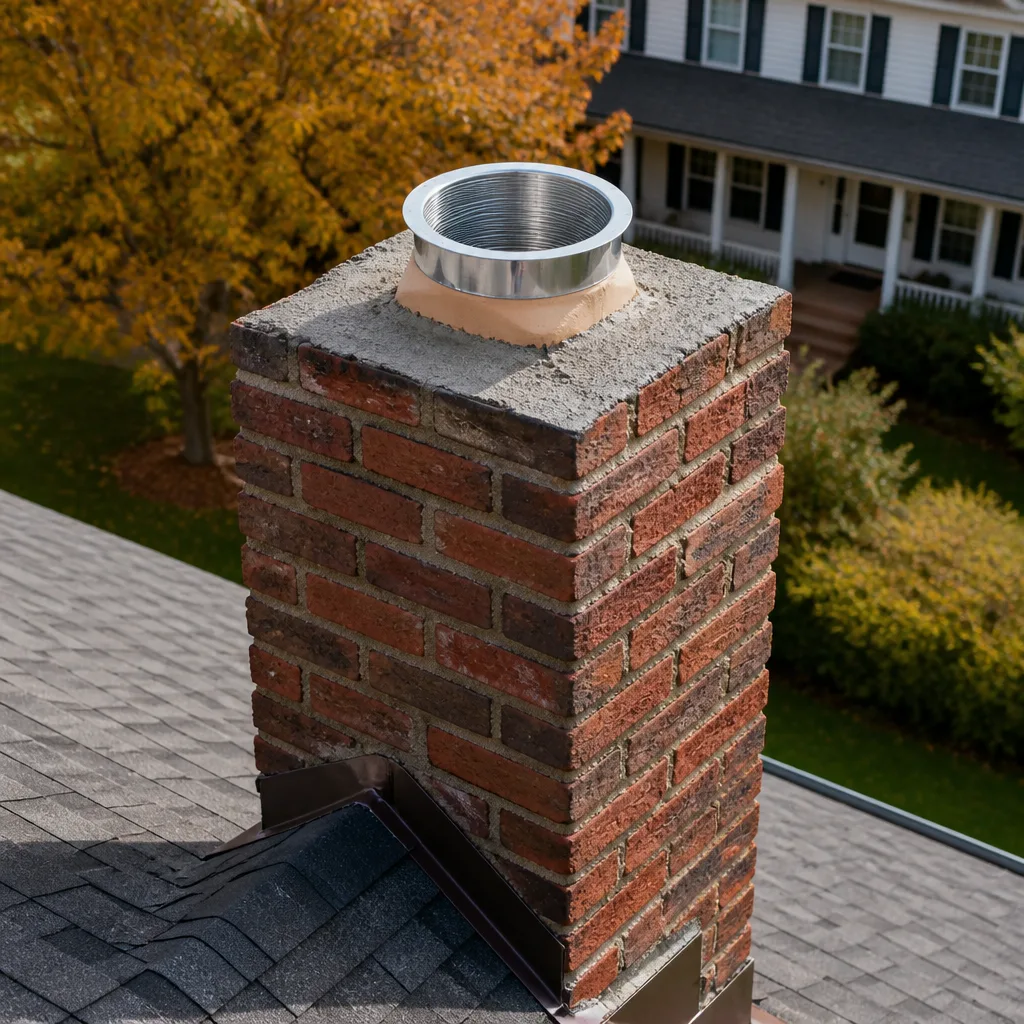 Flue relining
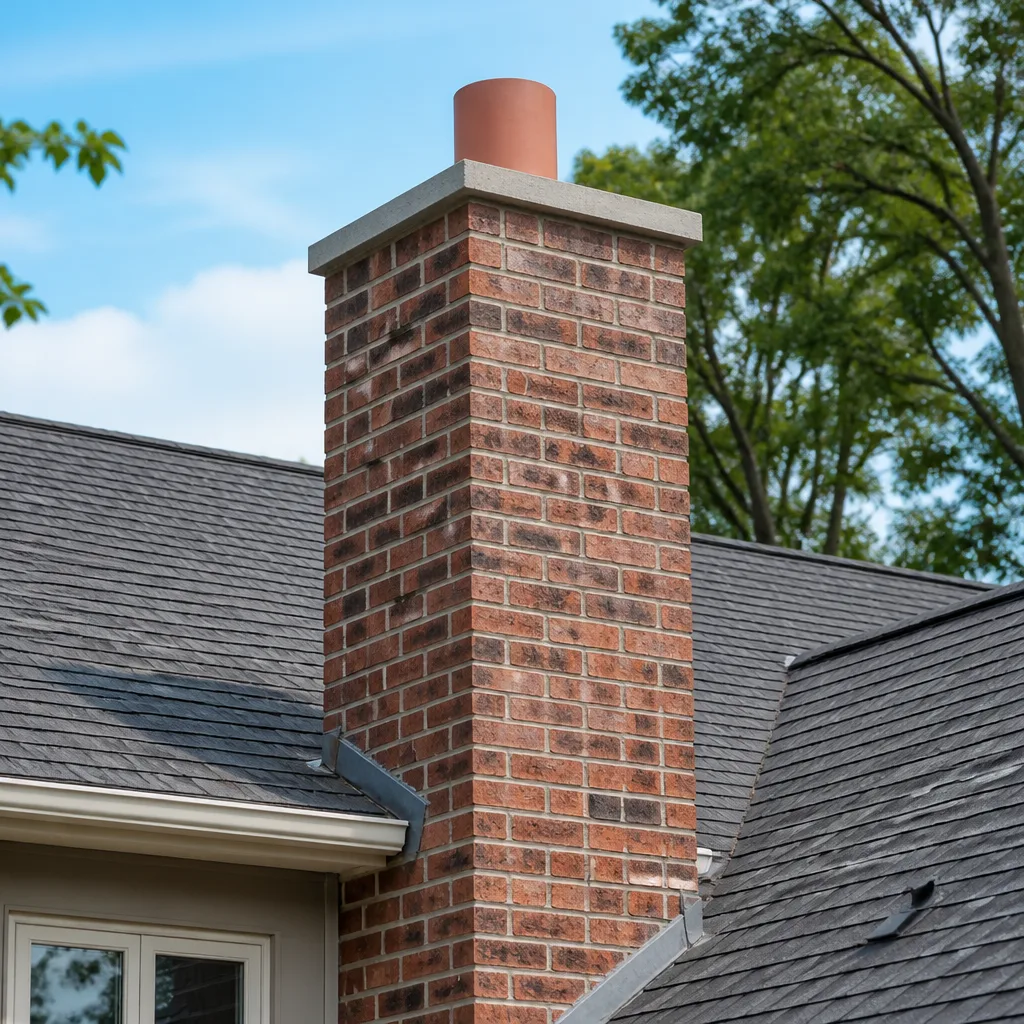 Masonry repair
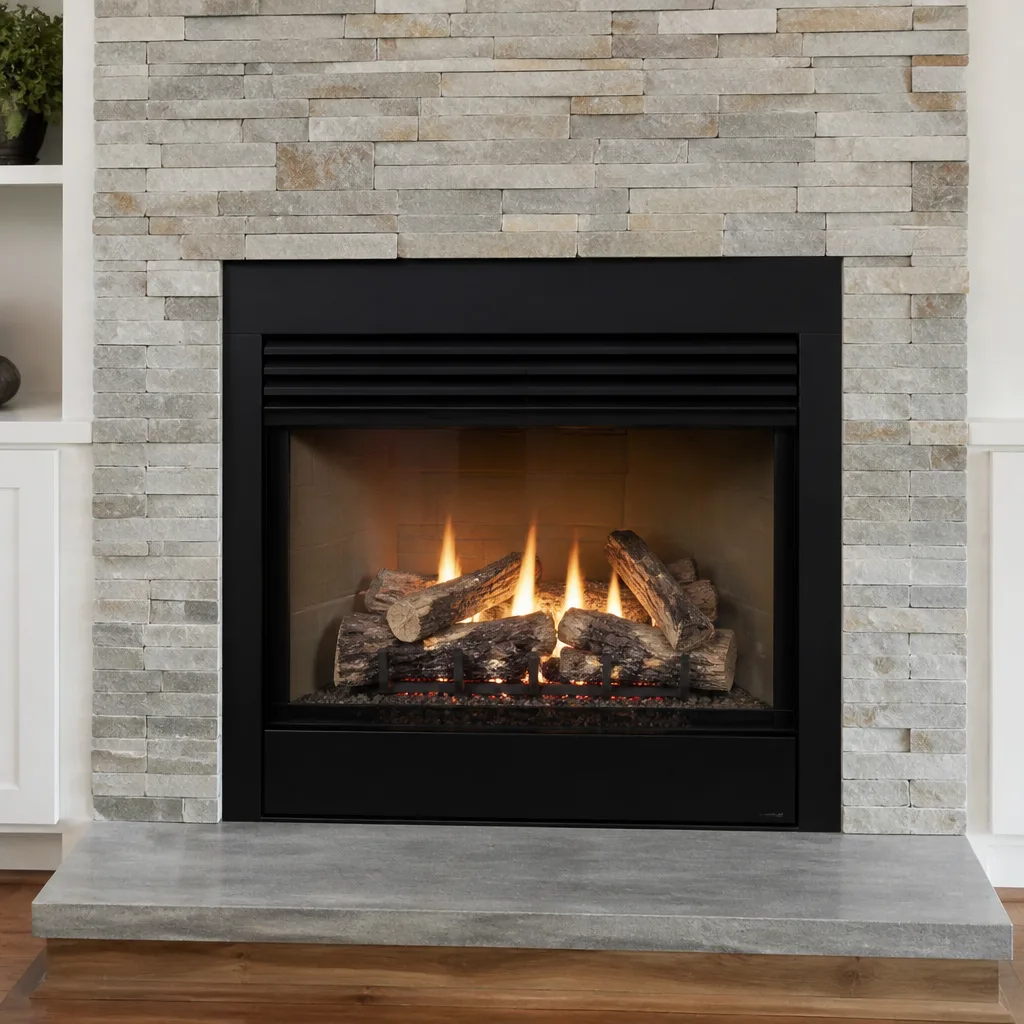 Gas fireplace service
Level 1 sweep and inspection to the NFPA 211 annual standard - flue, crown, cap, and flashing checked and photographed
Chimney sweep logs do not sweep chimneys. They loosen some creosote - which then falls where a brush and vacuum still have to collect it.
Chimney Sweep Troubleshooting in Garden Grove: Common Problems and How to Fix Them
If your fireplace smokes into the room every time you light it, the instinct is to blame the chimney. But in Southern California homes, negative air pressure caused by weatherization upgrades is the culprit more often than most homeowners expect. New windows, added insulation, and tighter door seals all reduce the air your house leaks, and a fire needs that air to draw smoke up and out. The chimney becomes the path of least resistance for pressure equalization, so smoke pushes back into the room. This guide maps the symptoms you’re seeing to their likely mechanical causes, explains what you can safely check yourself, and shows you how to describe the problem clearly before a technician arrives in Garden Grove.
Quick Answer
Most chimney problems in Garden Grove come down to a handful of causes: a closed or faulty damper, negative air pressure from a tight house, a missing or damaged rain cap, creosote buildup, or a cracked flue tile. A trained technician can usually identify which one is at work within minutes of arriving, which is why describing your symptoms accurately and documenting them beforehand saves time and money.
Styles & brands we work with
- Sweep & inspection
- Caps & crowns
- Flue relining
- Masonry repair
- Gas fireplace service
Table of Contents
- The Symptom-to-Cause Matrix
- Why Smoke Backdrafts Into Your Home
- How Garden Grove’s Mild Climate Changes Creosote Buildup
- The Questions a Technician Will Ask on Arrival
- What You Can Safely Check Yourself
- How to Document Symptoms Before Your Appointment
- Odor, Staining, and Debris Fall: What They Tell You
- Common Mistakes to Avoid
The Symptom-to-Cause Matrix: What Your Fireplace Is Telling You
Chimney problems announce themselves through symptoms, and each symptom narrows the list of causes considerably. When a customer calls Garden Grove Chimney Sweep and says “my fireplace smells funny” or “smoke won’t go up,” that first sentence already points us toward a diagnosis. Knowing which symptoms cluster together helps you describe the problem accurately and helps a technician arrive prepared.
Here is how the most common complaints map to their mechanical origins:
- Smoke rolling back into the room (backdraft): Negative air pressure, a flue that’s too short for the firebox opening, a closed damper, or a blocked flue. Also possible: a competing exhaust fan pulling air down the chimney.
- Slow, lazy draw: Partial flue blockage from creosote or debris, a cold flue that hasn’t warmed yet, or an undersized flue liner. In Garden Grove, where chimneys sit idle for much of the year, a cold flue is a frequent culprit on the first fire of the season.
- Persistent smoky odor, especially on warm days: Creosote and soot residue reacting to heat and humidity, often combined with negative pressure pulling air down the flue.
- Smoke staining on the firebox face or mantel: Chronic backdraft or a firebox that’s too large for the flue. Staining is the physical evidence of smoke that didn’t make it up.
- Debris falling into the firebox: A missing or damaged rain cap, deteriorated mortar from the crown, or a crumbling flue tile. This is the one homeowners should never ignore, because what falls can include hot embers from a flue fire or nesting material.
The same symptom can have more than one cause, and two symptoms together often confirm a diagnosis. Backdraft plus smoke staining almost always means pressure, not blockage. Odor plus debris fall points toward water intrusion through a failed cap or crown. A technician confirms the guess with a camera inspection before recommending anything.
Why Smoke Backdrafts Into Your Home (And Why Weatherization Is Often the Cause)
Backdraft is the single most common complaint we hear from Garden Grove homeowners, and it’s the one most frequently misdiagnosed as a chimney blockage. A backdrafting chimney is usually doing exactly what physics tells it to do: smoke is following the pressure gradient, and the pressure gradient is pushing inward. The fire needs air to burn, the chimney needs air to carry smoke up, and a modernized house can starve both.
Your house has two air pressures at work. A fire creates a draft by heating air in the flue, which rises and pulls replacement air in from the room. That replacement air has to come from somewhere. In a leaky older house, it seeps through gaps around windows and doors. In a house that’s been weatherized with new windows, added insulation, and tight weatherstripping, it doesn’t. The fire then pulls from the only path available, which can be the chimney itself when a bath fan, kitchen hood, or dryer runs nearby. The result: smoke that should go up gets pushed down.
To test whether pressure is your problem, try this:
- Open a window a few inches in the same room as the fireplace and light a small test fire.
- If the smoke draws normally with the window cracked, negative pressure is confirmed.
- Turn off bath fans, kitchen hoods, and the dryer, then light another fire. If it draws better, competing exhaust is part of the cause.
- Note the results. A technician will want to know whether the window trick changed anything, because that answer points straight to a pressure solution rather than a repair.
Pressure fixes range from the simple (cracking a window before lighting) to the structural (extending the flue above the turbulent zone at the roofline, or installing a proper cap that improves draft). A camera inspection and a look at the flue’s height and termination tell us which solution fits the house. The fix isn’t always a repair, and we won’t recommend one if a pressure correction solves the problem.
How Garden Grove’s Mild Climate Changes Creosote Buildup
Creosote is the tar-like residue left when wood smoke cools before it leaves the flue. In cold climates, the story is straightforward: chimneys burn hot and long, flues stay warm, and creosote tends to form as a hard, glossy glaze near the top. Garden Grove’s mild climate changes the pattern in ways that matter for what to look for.
Because winters are gentle, most Garden Grove homeowners burn smaller, occasional fires rather than long, hot burns. That pattern produces a different creosote profile. Shorter fires mean the flue doesn’t reach the temperatures that keep smoke moving cleanly, so smoke cools more quickly, and creosote deposits tend to be softer, fluffier, and more widely spread through the flue rather than concentrated in a hard glaze. Soft, fluffy creosote is easier to sweep, but it’s also easier to overlook, because it doesn’t look like the glossy buildup homeowners picture.
What this means for Garden Grove homeowners:
- Volume, not temperature, is your gauge. A single season of light burning can produce meaningful soot and soot – heavy debris even without the hard glaze. The right interval between sweeps depends on how much you burn, not on how cold the winter was.
- Long idle periods are their own factor. When a fireplace sits unused for months through warm weather, soot residue holds humidity and produces the smoky odor we get calls about in spring and fall.
- A closed damper traps moisture. A damper left shut through the off-season traps moisture-carrying air in the flue, which accelerates mortar and tile deterioration.
- Deterioration is slow and quiet here. Without freeze-thaw stress on the crown, flue damage tends to accumulate gradually from water intrusion rather than failing catastrophically. That’s good news, but it means a professional inspection is what catches it before it becomes costly.
One important caution: creosote ignites at lower temperatures than most homeowners realize, and a chimney fire can burn with no visible sign from inside the house. If you burn often enough to have meaningful buildup, a sweep isn’t cosmetic maintenance. It’s the difference between a flue that can safely carry smoke and one that carries a fire risk. A proactive Garden Grove Chimney Sweep visit establishes where your flue stands before you light the season’s first fire.
The Questions a Technician Will Ask on Arrival
Diagnosis starts before we pick up a tool. The questions a technician asks on arrival are the fastest route to the right answer, and homeowners who arrive with answers ready help us work efficiently and avoid charging for time spent gathering information. Here’s what we typically ask and why each answer matters.
- “When did the problem start?” A problem that appeared after a weatherization project points to pressure. One that showed up after a storm points to a cap or crown. One that’s been there since the fireplace was last used points to blockage.
- “How often do you burn, and what do you burn?” Seasoned hardwood, treated lumber, and manufactured logs all leave different residue. Frequency determines how much creosote volume the flue carries.
- “Does it happen every time or only sometimes?” Intermittent backdraft often screams pressure and competing exhaust. Consistent backdraft often means a structural issue like flue height or a closed damper.
- “Have you had any recent changes to the house?” New windows, a new kitchen hood, a new dryer vent, or added insulation all change how the house breathes, and they’re frequent triggers for the first backdraft complaint.
- “What does it smell like, and when?” A smoky odor on warm days is creosote. A damp, earthy odor points toward moisture intrusion through the crown or cap.
- “Do you see debris falling into the firebox?” This one is a safety flag. Falling debris can mean anything from a failing cap to a deteriorating flue tile, and it changes what we look at first.
Having these answers ready shortens the diagnosis and reduces the time a technician spends troubleshooting, which is why we treat it as part of the cost-saving process. It also gives you something concrete to hand off: your answers plus your notes become the record of the problem, and the inspection becomes the evidence that confirms or corrects the diagnosis. A chimney sweep with the right materials on hand is prepared for the repair the diagnosis reveals, not just the inspection itself.
What You Can Safely Check Yourself (And Where the Line Is)
Some chimney troubleshooting is genuinely homeowner-safe. Three checks in particular give you useful information without requiring tools or risking injury. Knowing where they end and professional territory begins is just as important as knowing how to do them.
The safe checks:
- Is the damper open? This sounds obvious, but a partially closed or stuck damper is one of the most common causes of slow draw. Open it fully before lighting and confirm it moves freely.
- Is the damper plate intact? A rusted, warped, or broken damper plate won’t seal or open properly. Look up with a flashlight and note its condition.
- Is the rain cap present and undamaged? From the ground, look at the chimney top. A missing, loose, or bent cap explains debris fall directly and allows water into the flue. This one check can save you a whole diagnostic appointment.
Where professional territory begins (and why):
Climbing on the roof, opening the firebox to inspect the flue interior, working around a chimney’s interior flue tiles, and cleaning a block of creosote are not homeowner tasks. Roof work carries fall risk that no inspection is worth. Flue interiors carry both a burn hazard from lingering heat and the risk of disturbing a flue tile or lodged debris. And a camera inspection sees what a flashlight never will: the full length of the flue, the condition of the tiles, and the clearance between the flue and the structure. If your instinct is to reach for a wire brush attached to a drill and go up yourself, stop. The information you’d get doesn’t justify the risk, and the risk can turn a simple sweep into a structural repair.
The practical shortcut: if the check can be done from your living room floor, do it. If it requires a ladder or your hands inside the firebox, let a technician handle it. The cost of a professional sweep is small next to the cost of a fall or a flue repair.
How to Document Symptoms Before Your Appointment
A few minutes of preparation can make your appointment faster and more accurate. Documentation isn’t paperwork for its own sake. It preserves the evidence of the problem so a technician can compare what you saw with what the camera finds, and it answers the questions from the previous section in one pass.
- Photograph what you see. Take photos of smoke staining on the firebox face, the damper if it’s visible, and the chimney top from the ground. If debris falls, photograph it before cleaning it up.
- Write down a symptom timeline. Note when the problem started and whether anything changed in the house around that time (new windows, a new appliance, a storm).
- Write down the conditions that trigger it. Cold start versus a warm fire, windows open versus closed, fans running versus off. Those conditions narrow the diagnosis more than any other note.
- Note the fuel you use. Kind of wood, how it was stored, how long it dried, whether you use manufactured logs.
- Describe any odor and when you notice it: spring, fall, on the first fire, on warm days. Those are different clues.
When you arrive for the appointment with this packet, the technician can compare your observed symptoms to what the camera shows. If your notes say “smoke rolls back only when the kitchen fan runs,” that tells us what to test. If a debris fall coincides with a storm, that points at the crown. Documentation turns the inspection from a fishing trip into a targeted check, and that’s better for both sides.
Odor, Staining, and Debris Fall: What Each One Tells You
Three symptoms deserve a section of their own because they’re the ones homeowners most often misread: a smoky smell on a warm day, staining on the firebox face, and debris falling into the firebox. Each has a specific mechanical explanation, and each carries a different urgency.
A smoky odor on warm days usually isn’t the flue “off-gassing.” It’s the classic pattern of creosote and soot residue reacting to humidity and warming air, often with the negative pressure of the house pushing air down the flue. The odor is likely strongest before you light the season’s first fire and outdoors in another window. The fix is usually a sweep combined with attention to how the fireplace breathes, not a chemical air freshener.
Smoke staining on the firebox face or mantel is physical evidence of chronic backdraft, and it’s more common than homeowners think in Garden Grove houses that have been through weatherization. A firebox that’s too large for its flue creates the same effect. Cameras never lie: the inspection tells us whether the staining comes from pressure or from a flue-to-firebox mismatch, and the repair follows.
Debris falling into the firebox is the one to take seriously. Common causes include a failed rain cap, cracked or crumbling mortar at the crown, a loose flue tile, or animal nesting material. A cap or crown failure also lets water into the flue, which is what hides inside apparently safe chimneys: the flue tile looks fine, but the mortar joints behind it are quietly deteriorating. A chimney repair that restores the crown and cap before water gets in is far less costly than one that replaces tiles later. A standalone fireplace repair addresses the firebox and surround.
If you notice debris fall plus a damp smell or staining, treat the combination as a call to book an inspection rather than light another fire. If it’s just the occasional dust from an unused chimney in spring, it may be a lighter matter, but a sweep is still the safe answer.
DIY-Safe and Professional-Only: A Quick Reference
Because the line between safe and dangerous matters so much in this work, here’s the same boundary in a table-style list. If a check requires any of these “professional only” items, don’t attempt it yourself.
- Safe from the floor: checking the damper moves, looking at the damper plate, looking at the chimney top for a cap, noting symptoms.
- Professional only: roof or ladder access of any kind, opening the firebox to inspect the flue interior, camera inspection of the full flue, sweeping or brushing anything in the flue, removing a chimney cap, and diagnosing crown or mortar failure.
- Why professional only matters: fall risk on the roof, hot materials and burn risk in the flue, and the real chance of damaging a flue tile while trying to inspect it.
Our technicians have up to 13 years of experience, and the first thing they’ll tell you is that no symptom is worth a broken bone or a damaged flue. The tools that see inside a flue are exactly the tools a homeowner shouldn’t be improvising in a chimney. A chimney repair service is there for the cases where the camera finds something you couldn’t safely see.
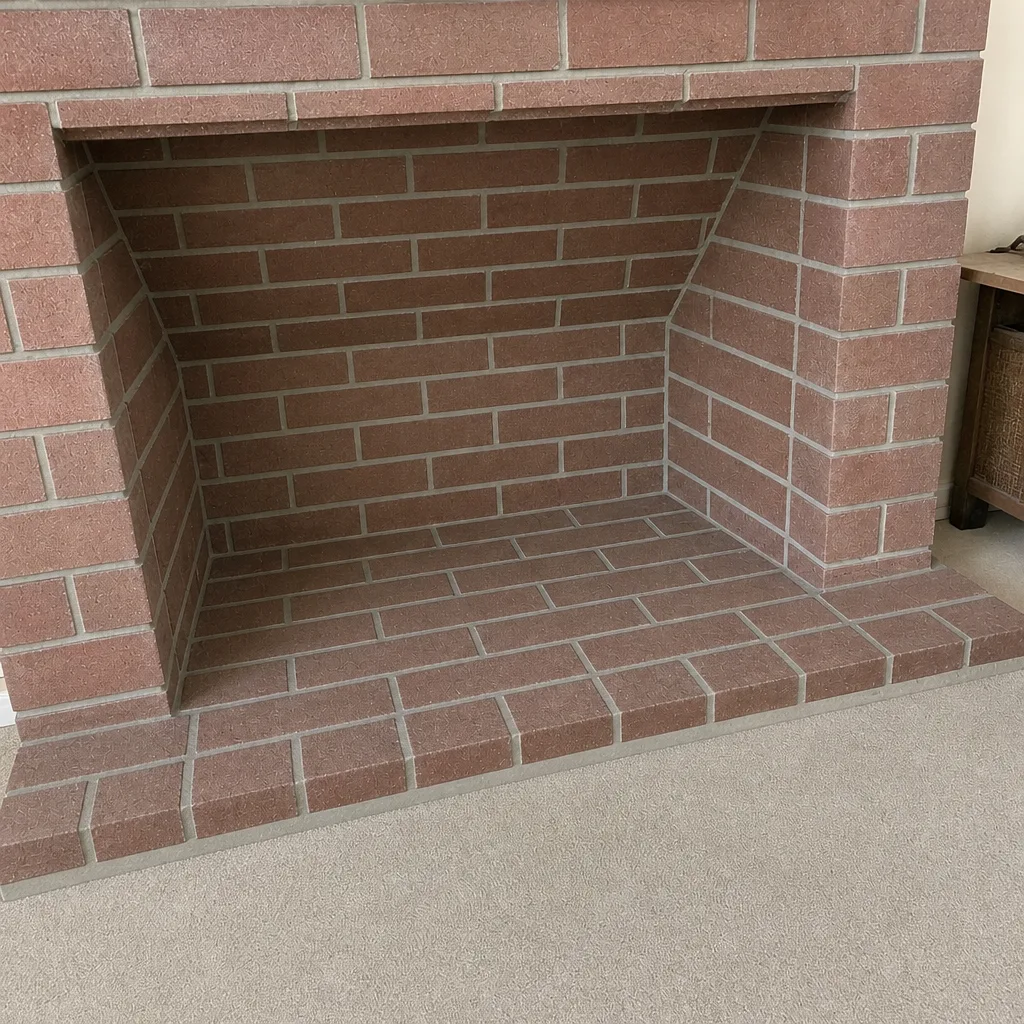
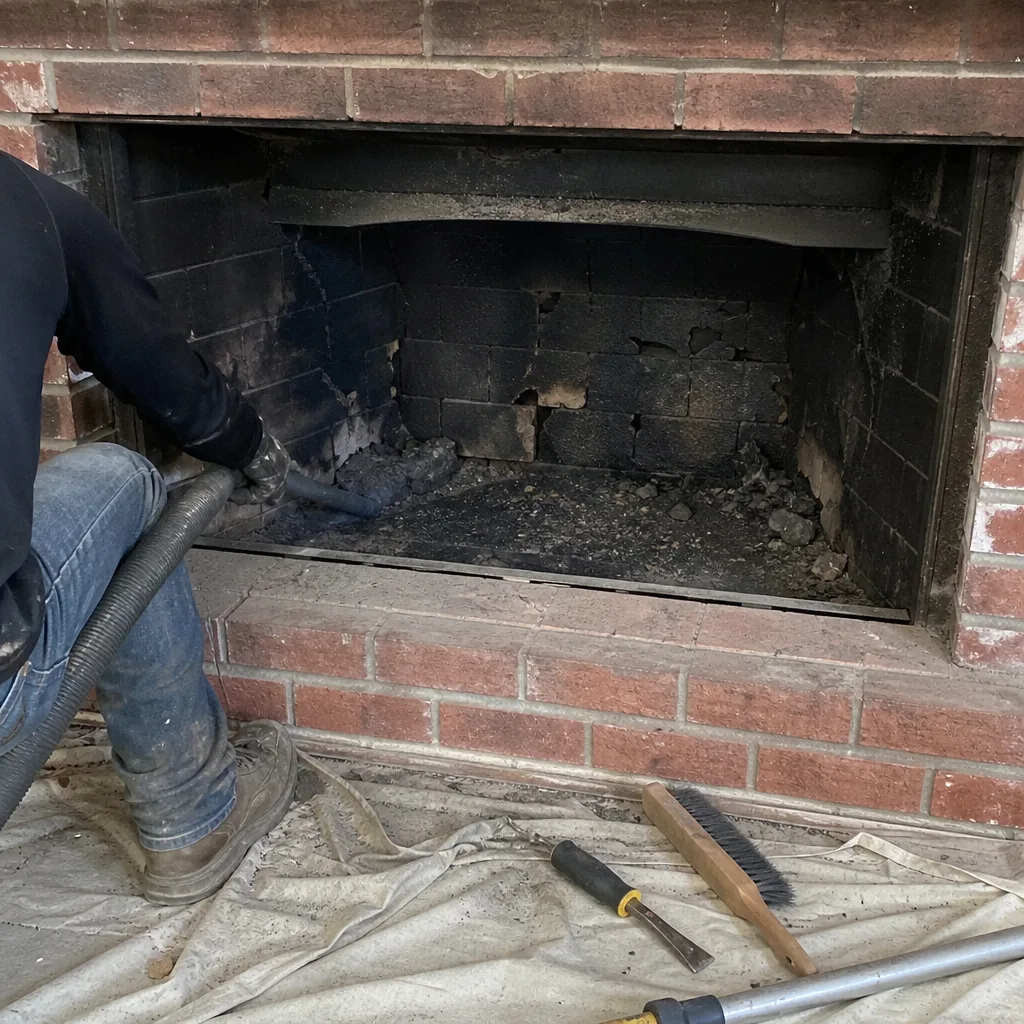
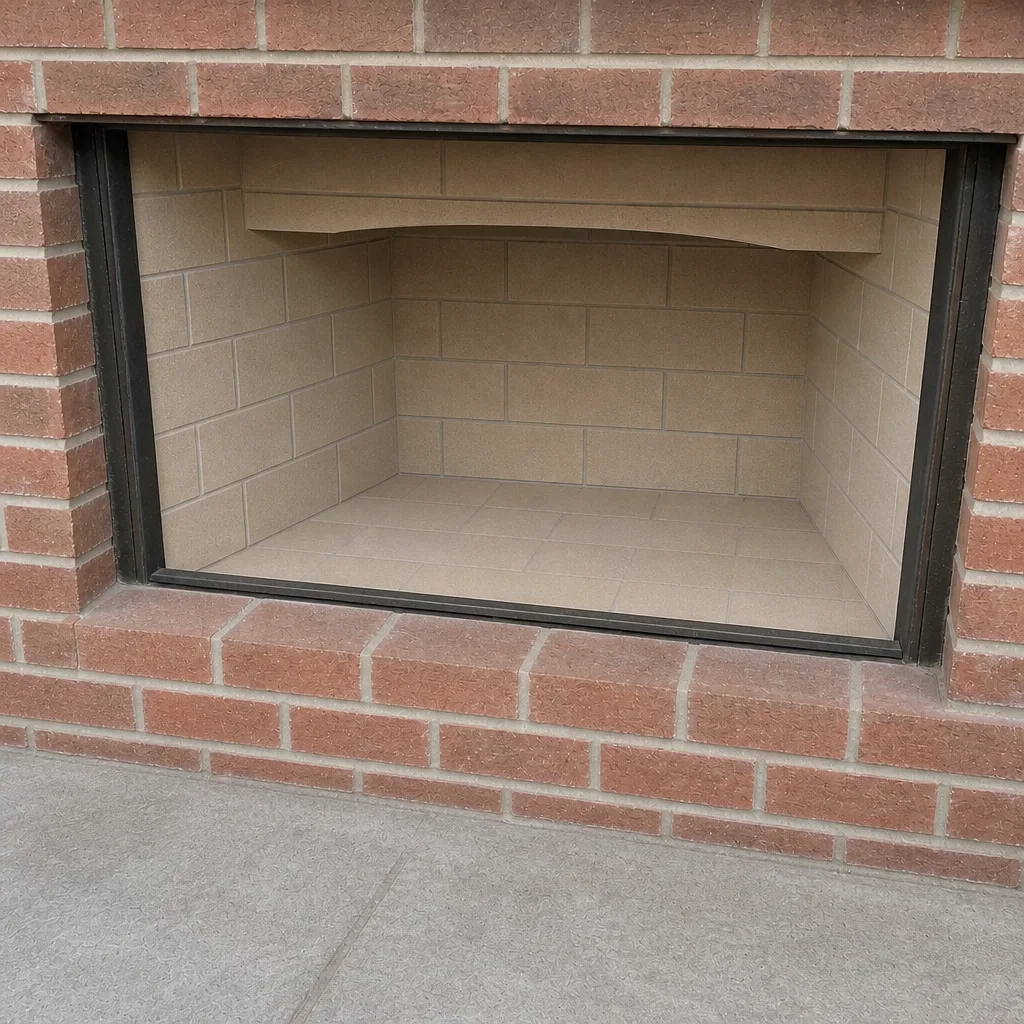
See the difference
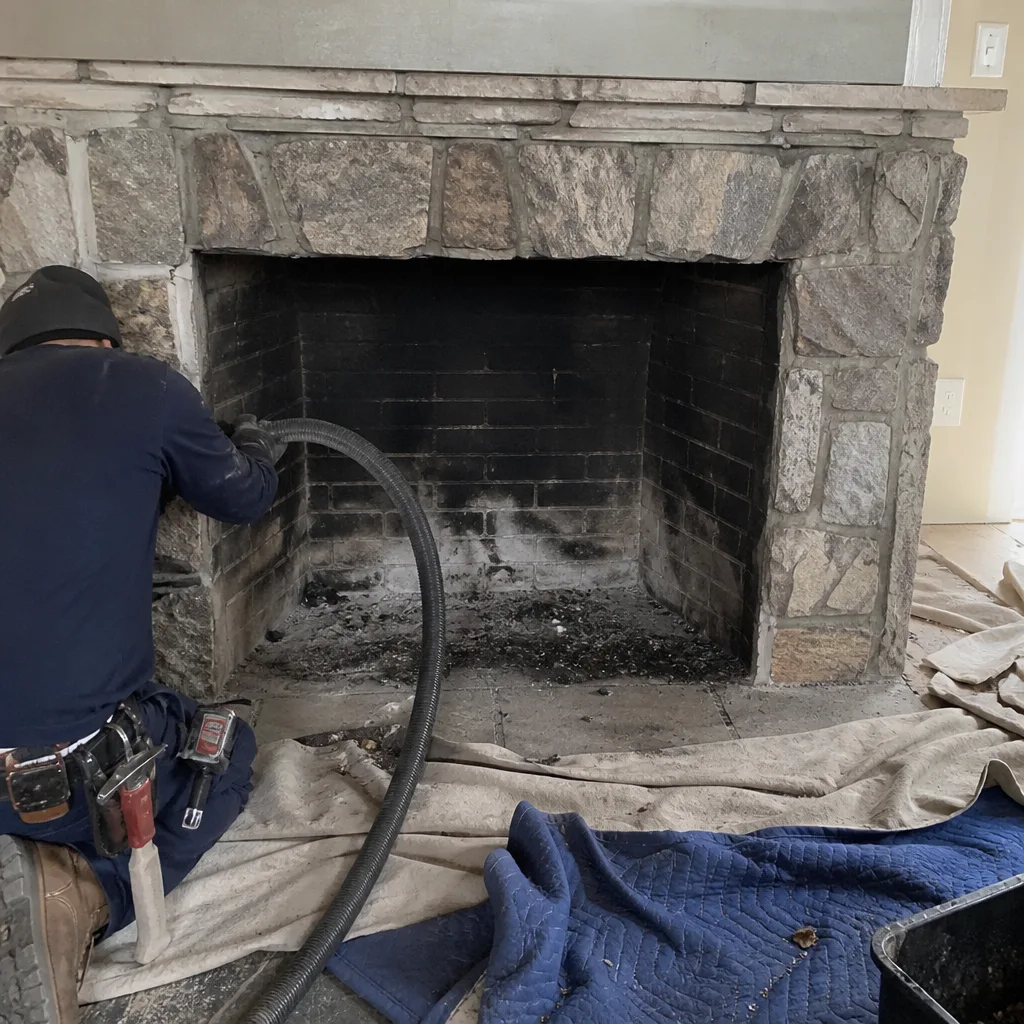 Before
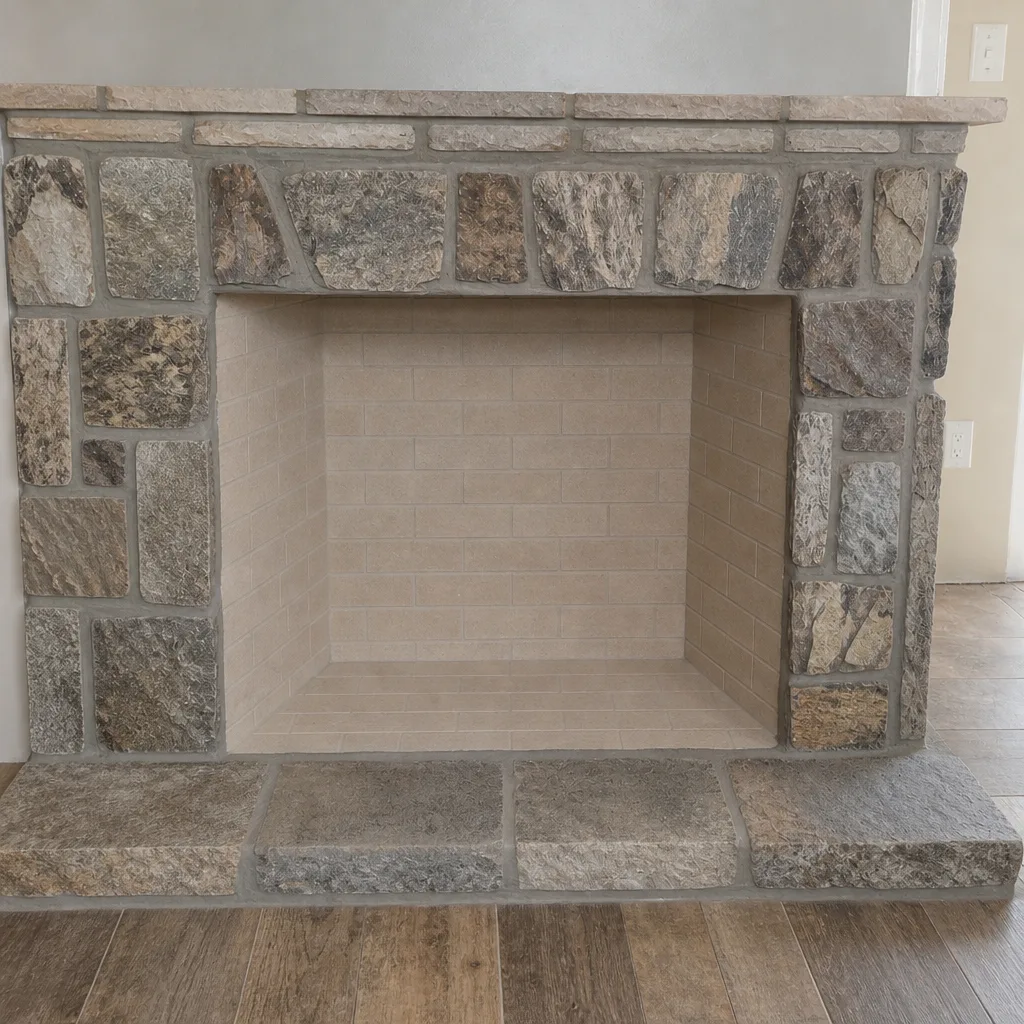 After
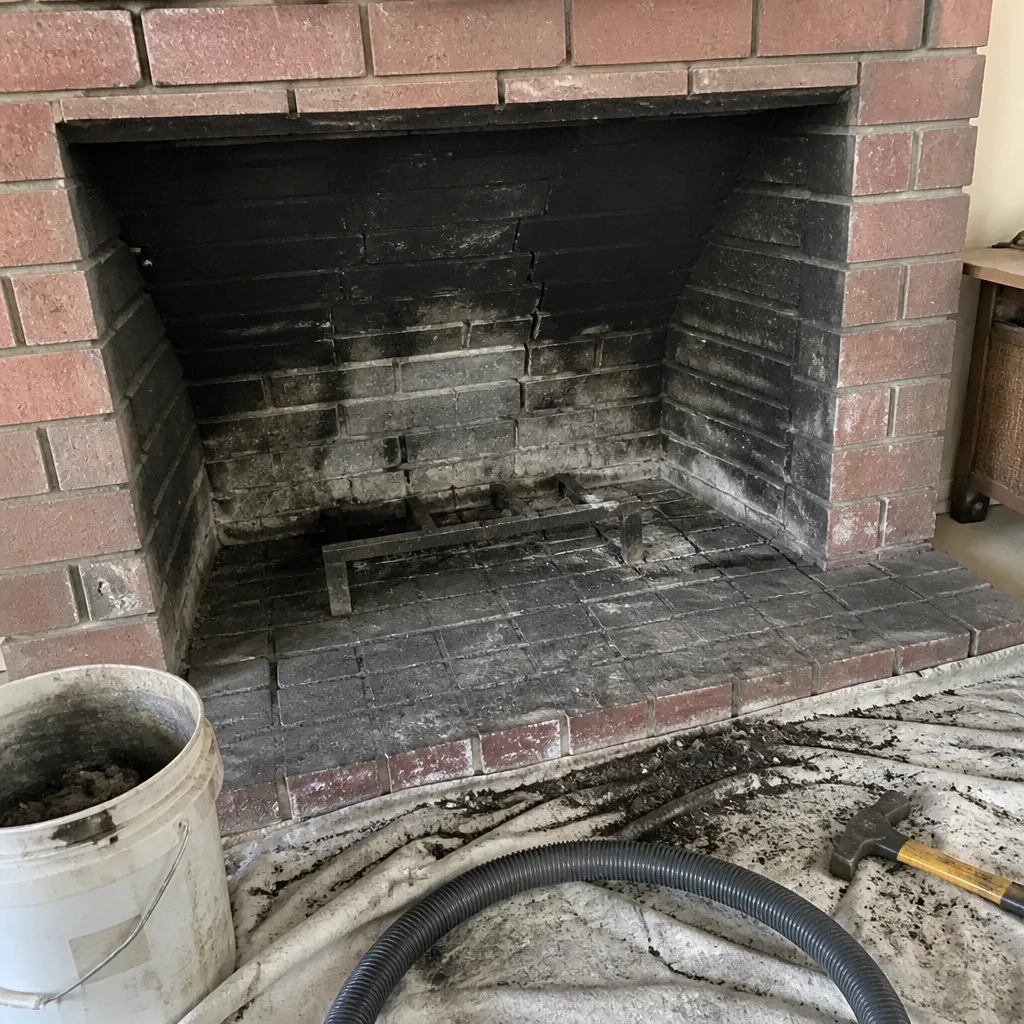 Before
 After
 Before
 After
Common Mistakes to Avoid
- Treating backdraft as a blockage. It’s a pressure problem most of the time, and no amount of sweeping will fix negative air pressure in a weatherized Garden Grove house. Test with a cracked window before assuming the flue is plugged.
- Lighting a fire with a closed damper. It’s the easiest mistake to make and the fastest way to fill a room with smoke. Confirm the damper is fully open before the match.
- Skipping the roof fact-check. A missing rain cap is visible from the ground and explains most debris fall, yet many homeowners never look up. It’s a two-second check that can save a call.
- Treating an occasional spring dust as “season bonus.” Fresh debris fall in spring with a damp smell can signal a crown or cap failure letting water in. Don’t dismiss it.
- Assuming the flue tile is fine because nothing’s visible. Damage can hide behind the tile face, in the mortar joints, which is why the camera inspection exists and why the documented baseline matters.
- Ignoring the smoky smell and burning anyway. The smell on warm days is a creosote signal. A sweep before the season is the right response, not a window.
- Burning wet or treated wood. Green wood creates more creosote, and treated lumber creates the wrong kind of residue. Dry, seasoned hardwood is what your flue wants.
When to Call a Professional
Some symptoms you can troubleshoot and you may not need a professional. Others you shouldn’t sit on. Call us when you notice debris fall, smoke staining on the firebox face, a persistent smoky odor, backdraft that doesn’t improve with the window trick, or a visible cap or crown problem from the ground. Also call if you’ve burned regularly and haven’t had a sweep, or if you want a documented baseline before a repair is recommended. Those are the cases where a technician’s tools (a camera, a gauge, and a trained eye) answer in minutes what a homeowner can’t answer safely. Garden Grove Chimney Sweep offers free estimates in Garden Grove. Call (877) 492-3690. We answer 24/7. Fast dispatch from 7am to 7pm, Sunday through Friday.
Frequently Asked Questions
Backdraft is the most common cause of smoke in the room, and it’s usually negative air pressure, a closed damper, or an undersized or blocked flue. Start with the damper and the cracked-window test before assuming the flue is plugged. Call (877) 492-3690 for an exact quote; estimates are free.
Yes, the mild climate changes the creosote pattern: short, occasional burns leave softer, more widely spread deposits, and long idle periods let soot residue hold moisture and create the smoky odor we hear about in spring. The right sweep interval depends on volume burned, not on how cold the winter was.
Sweep when there’s meaningful buildup, and for many households that’s roughly once a year regardless of climate. A short, low fire shouldn’t wait longer than a season without a check. If you’ve burned a full season and haven’t had a sweep, book one before the next lighting.
You need a liner only when the camera inspection shows the existing liner is unsafe or failing. We don’t recommend any repair without camera evidence you can see, and if the flue is sound, we’ll tell you it can wait. That’s the whole point of a documented inspection.
Creosote accumulates, and chimney fires can burn with no visible sign from inside the house. A blocked or damaged flue also slows draft and increases smoke in the room. Skipping the check isn’t a shortcut; it’s letting a small, fixable issue grow. Call (877) 492-3690 for a free estimate and book a camera inspection.
Often, yes. HeatShield resurfacing restores deteriorating flue tiles from the inside and extends flue life without a full liner replacement, which is an option few local shops are equipped to offer. When a full reline is the right call, we install DuraFlex flexible liner systems built for longevity in complex flue configurations. We’ll show you the camera evidence and explain both paths before you decide.
Have your symptom timeline, the conditions that trigger the problem, the fuel you burn, and photos of any staining or debris. With answers to those questions and your own documentation, the technician can go straight to the right test instead of spending billable time gathering information.
The Bottom Line
Most chimney complaints in Garden Grove trace back to a short list of mechanical causes: negative pressure from a tight house, a closed or damaged damper, a failed cap or crown, creosote volume, or a flue tile issue. You can check the damper and the cap safely from the floor. You can’t check inside the flue, and you shouldn’t try. The smartest troubleshooting steps are the free ones: open the damper, look up at the cap, run the cracked-window test, and write down what you observe before your appointment. That preparation is what turns a mystery into a fast, evidence-based diagnosis. From the sweep through the cap and crown, one call covers the full chimney.
Call (877) 492-3690 for a free estimate. We answer 24/7. Fast dispatch from 7am to 7pm, Sunday through Friday. Garden Grove Chimney Sweep connects you with local professionals who sweep, inspect, repair, and protect your chimney with the right materials before they arrive.
Written by the team at Garden Grove Chimney Sweep.