
Last updated November 23, 2026
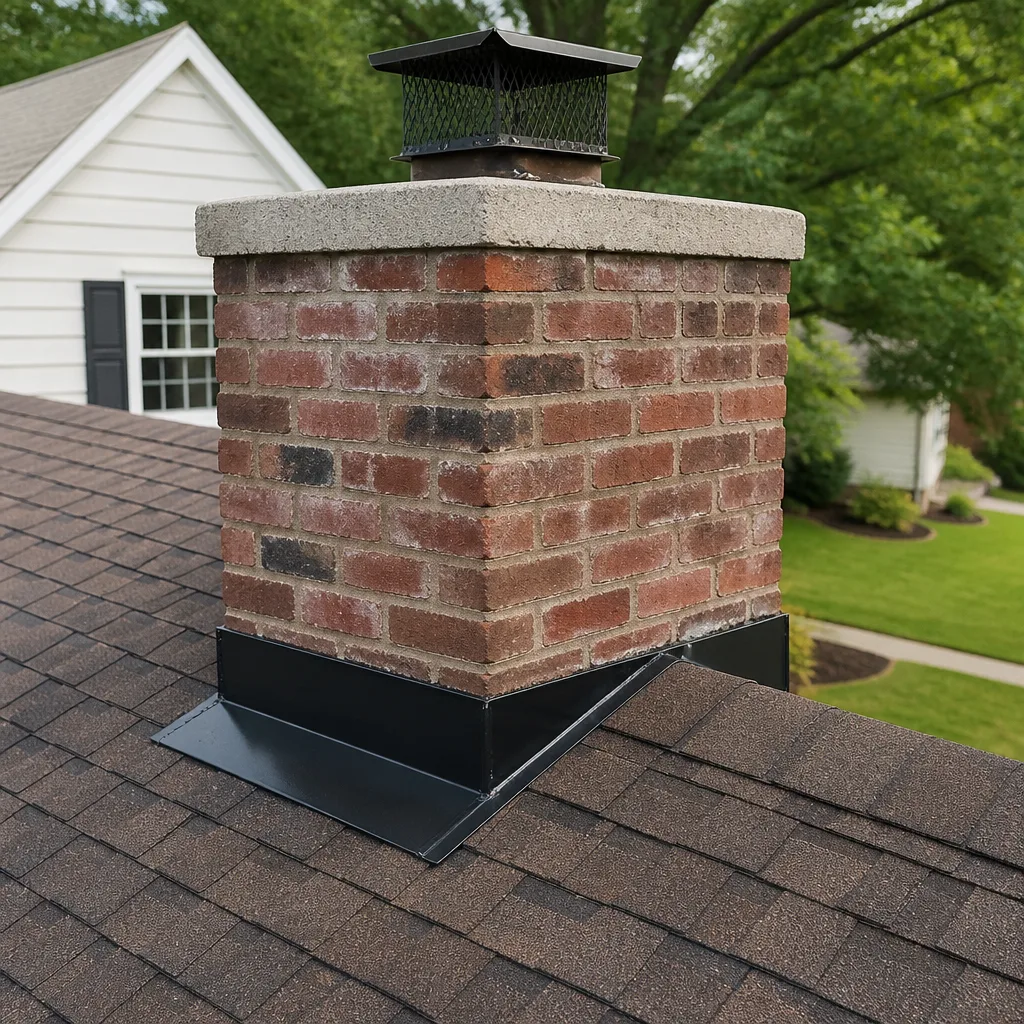 Sweep & inspection
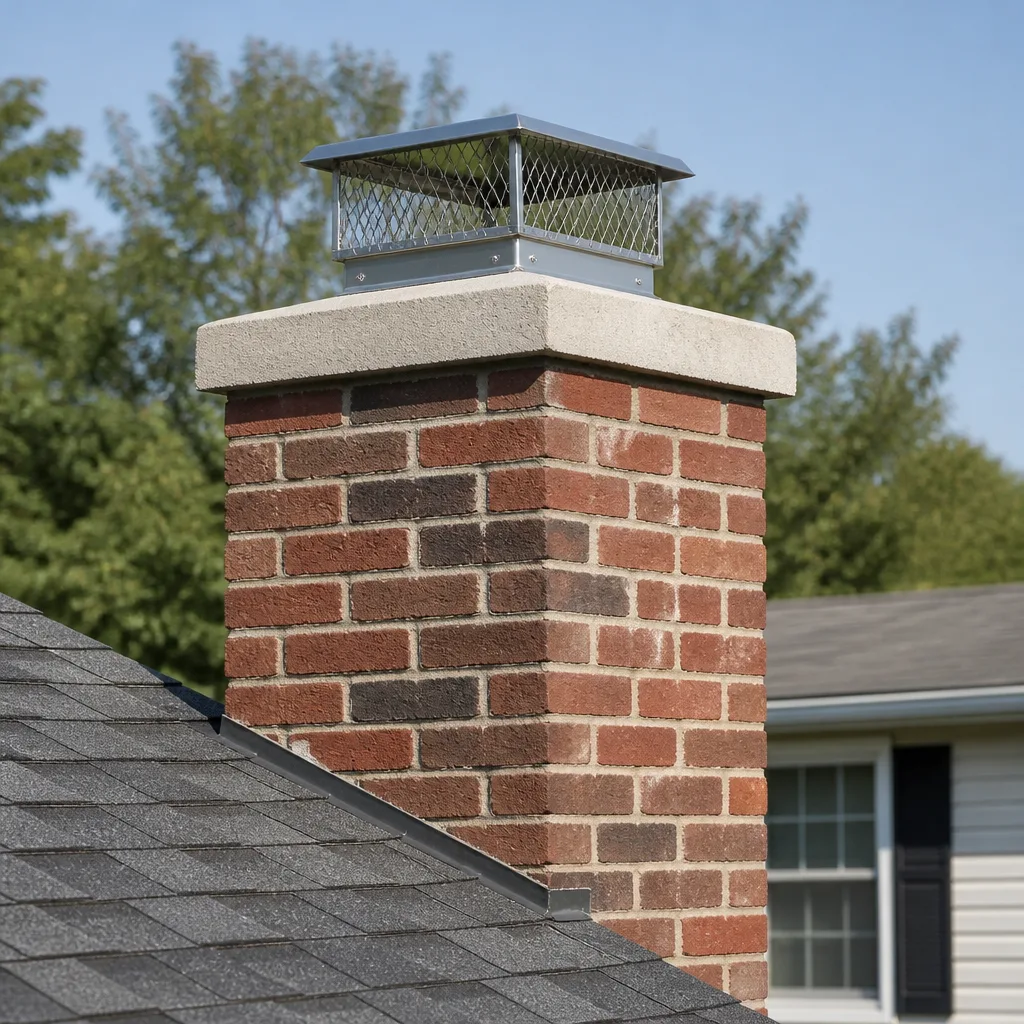 Caps & crowns
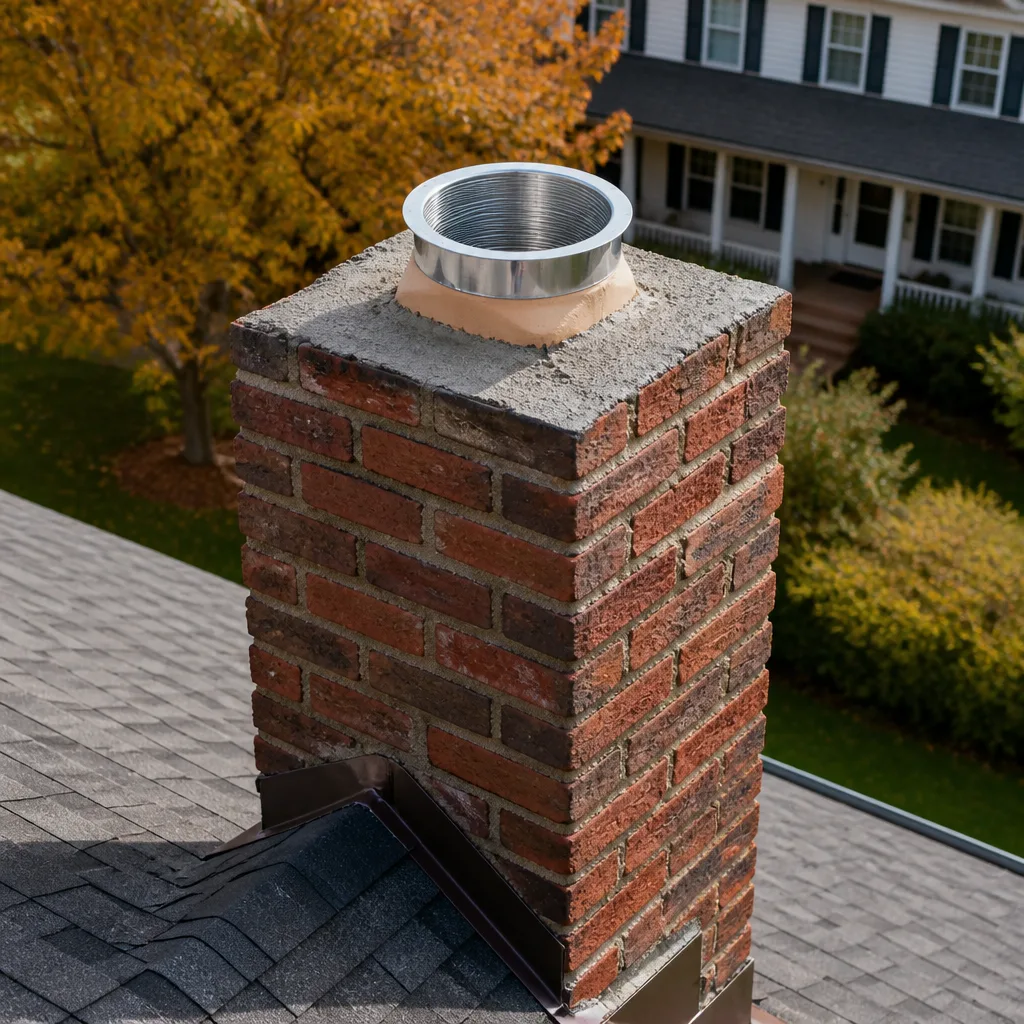 Flue relining
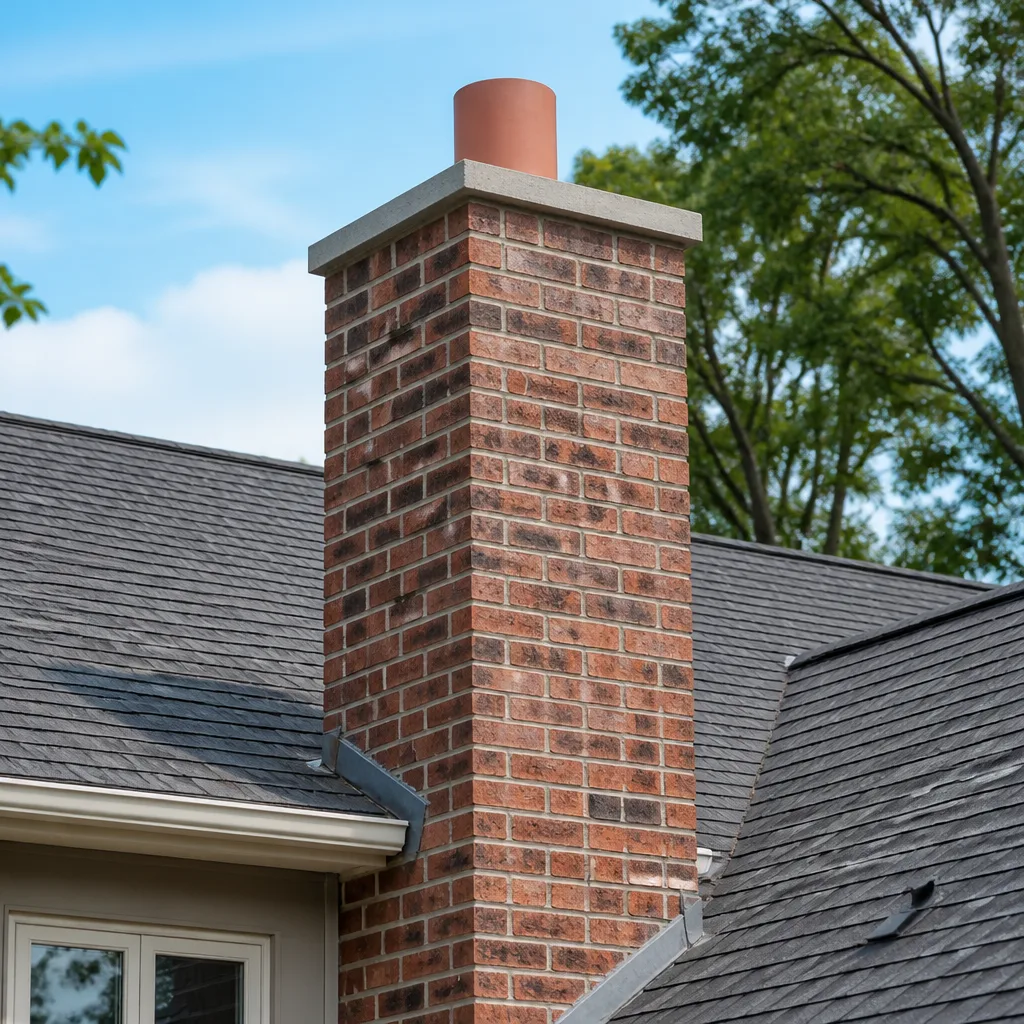 Masonry repair
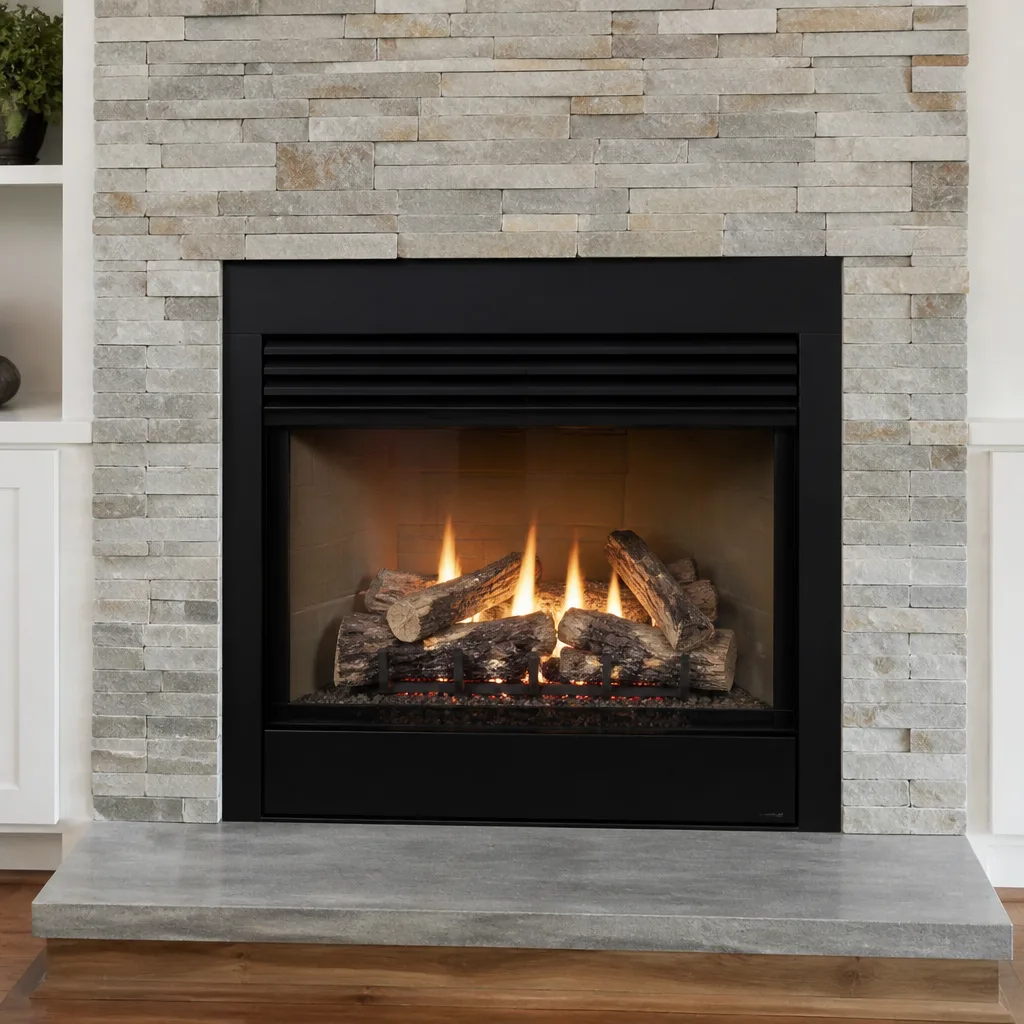 Gas fireplace service
Level 1 sweep and inspection to the NFPA 211 annual standard - flue, crown, cap, and flashing checked and photographed
Chimney sweep logs do not sweep chimneys. They loosen some creosote - which then falls where a brush and vacuum still have to collect it.
The Complete Guide to Chimney Cleaning in Garden Grove
Most Garden Grove homeowners light their fireplace fewer than 15 times a year, and that low number feels safe. It isn’t. Intermittent burning is one of the fastest ways to build glazed, stage-3 creosote, because each short fire deposits a fresh layer of unburned residue that the next cool-down bakes hard before it ever gets hot enough to burn off. A fireplace used twice a week all winter often stays cleaner than one lit a dozen times across a whole season. This guide explains what actually accumulates inside a Garden Grove chimney, how our mild climate changes the cleaning job, and how to tell a real sweep from a discount brush-and-go.
Quick Answer
Chimney cleaning in Garden Grove means removing soot, creosote, and wind-driven debris from the flue and firebox, then inspecting the full system so you know its condition before the next fire. Most homes here need a sweep once a year if the fireplace gets regular use, or every couple of years with light use, and the job should always end with a camera inspection and a written report. Low usage does not cancel the need: intermittent fires and dry Southern California air both push creosote and debris buildup in ways cold-climate guides never mention.
Styles & brands we work with
- Sweep & inspection
- Caps & crowns
- Flue relining
- Masonry repair
- Gas fireplace service
Table of Contents
- Why Garden Grove’s Mild Climate Changes Chimney Cleaning
- What Actually Accumulates in a Garden Grove Chimney
- CSIA Level 1 vs Level 2: Which Inspection You Need
- What a Full-Service Cleaning Includes vs a Blow-and-Go Sweep
- How a Professional Chimney Sweep Works, Step by Step
- How to Verify Your Chimney Is Actually Clean
- How Often Should You Schedule Cleaning?
- Common Mistakes to Avoid
- When to Call a Professional
- Frequently Asked Questions
Why Garden Grove’s Mild Climate Changes Chimney Cleaning
The standard chimney advice you read online was written for places with long, cold winters and fireplaces that run constantly from November to March. Garden Grove doesn’t work that way. Our burning season is short and broken up, and that pattern has real consequences for what builds up inside a flue.
When a fireplace burns steadily, the flue stays hot and much of the creosote stays soft or burns away. When a fireplace burns occasionally, the flue cools between fires, and each burn adds a layer of residue that hardens during the idle weeks. Do this across a whole season and you get glazed creosote: a shiny, tar-like coating that ordinary brushing won’t fully remove. In our experience, a lightly used Garden Grove fireplace can carry more stubborn creosote than a heavily used one in a colder climate, simply because of how the fires are spaced out.
There’s a second factor. The warm, dry stretches between burns mean debris sits undisturbed in the flue for months. Wind moves through Garden Grove’s neighborhoods and drops leaves, seed pods, and grit onto the smoke shelf and damper. None of that burns off. It just settles, and over a season it can narrow the flue opening enough to affect draft.
What this means for you: don’t assume a low fire count means you can skip years. The right question isn’t how many fires you had. It’s what’s coating the inside of the flue and how much has piled up on the smoke shelf. The only way to know is to look, and that’s what a proper cleaning visit starts with.
What Actually Accumulates in a Garden Grove Chimney
A Garden Grove chimney collects a specific mix of material that a generic sweep may not be set up to handle. Knowing what to expect helps you judge whether the technician who shows up is prepared.
- Glazed creosote. Hard, shiny, and stubborn. Intermittent burning is the main cause. Ordinary brushes skim the surface; it takes the right tools and sometimes a chemical treatment to break it down safely.
- Palm frond fragments and dry plant debris. Garden Grove’s trees and palms shed coarse material that winds pull onto roofs and down into open flues. These fragments are long and fibrous, and they tangle rather than fall through, so they need to be worked out, not just brushed past.
- Fine dust and grit from dry air. With our dry climate, fine particulate settles on the smoke shelf and firebox floor. It’s light enough to blow around during cleaning if it isn’t controlled, which is why containment matters on the job.
- Soot from both wood and gas. Wood-burning fireplaces leave soot and creosote. Gas fireplaces don’t produce creosote the same way, but they still need servicing and inspection for the firebox, vent, and surrounding structure.
- Nesting material. Birds and small animals find uncapped flues attractive. Nests block draft and are a fire risk, and clearing them is part of a real cleaning job, not an add-on surprise.
Because palm debris is fibrous and dry grit is fine, the brushing approach changes. A technician who only carries one brush works harder and leaves more behind. The sweep needs the right assortment of flue brushes for the job. Our team arrives prepared with the tools and the professional-grade products to match what’s actually in the chimney, so a fibrous palm-fragment blockage and a smooth glazed coat get handled differently. And a cap on top stops the debris at the source, which connects directly to the cap and crown work we do as a primary service rather than as an afterthought. If you want the full picture of how we clean, the chimney sweep service page walks through it.
CSIA Level 1 vs Level 2: Which Inspection You Need
The Chimney Safety Institute of America (CSIA) defines inspection levels, and knowing the difference tells you what to expect and when you’re being sold more than you need. The short version: most routine visits call for Level 1, but there are specific triggers that require a Level 2.
Level 1 inspection. This is the standard check on a chimney that’s in known, good condition with no changes since the last service. It covers the readily accessible parts of the system: the firebox, damper, smoke shelf, flue from the bottom, and the cap and crown from outside or the roofline where visible. It’s what happens during a normal annual cleaning.
Level 2 inspection. This adds a video camera scan of the flue interior and a closer look at accessible portions of the chimney structure. You need a Level 2 when:
- The home has changed hands, so there’s no known baseline.
- The heating appliance or fuel type has changed, such as switching from wood to gas or adding an insert.
- There’s been a chimney fire or a damaging event, even one you didn’t witness fully.
- You’re planning a repair or relining and need to know the current flue condition.
- It’s been years since the last inspection, or you have no records at all.
For a typical Garden Grove home that’s been occupied a while and swept regularly, Level 1 is usually the right call. For a newer homeowner with no history, or anyone who found the house with an unknown flue, a Level 2 is the sensible starting point. We’ll show you what we found on camera so the level you’re paying for makes sense. Nothing gets recommended without evidence you can see for yourself, and if a flue is fine, we say so. When a problem does turn up, the chimney repair side of our work covers the fix.
What a Full-Service Cleaning Includes vs a Blow-and-Go Sweep
Chimney cleaning prices vary, and the gap usually comes down to how much work actually goes into the visit. A discount sweep that’s in and out in twenty minutes does one thing: it runs a brush up the flue. A full-service cleaning does that and everything that makes it safe and useful.
| Step | Full-Service Cleaning | Blow-and-Go Sweep |
|---|---|---|
| Floor and hearth protection | Drop cloths and a contained work area | Often none or minimal |
| Brushing | Brushes matched to flue and debris type | One brush, quick pass |
| Smoke shelf and damper | Cleared by hand | Often skipped |
| Creosote assessment | Degree of creosote identified and documented | Rarely checked closely |
| Camera inspection | Included, with photo report | Usually extra or not offered |
| Written report | Yes, with findings and recommendations | No |
| Debris removal | All soot and ash bagged and taken away | Sometimes vacated poorly |
The table shows the gap clearly. A budget sweep can leave a chimney that looks done from the firebox but still carries a glazed coat or a blocked smoke shelf. The camera inspection is the part that closes that gap, because it turns “trust me” into something you can review on paper.
When we quote a cleaning, we agree on a flat price before the work starts, so the number you hear is the number you pay. Our technicians have up to 13 years of experience, and we work with professional-grade products from recognized chimney brands, including Olympia Chimney and Famco, so a repair that comes out of an inspection gets built to last rather than patched to pass. That matters most when a full cleaning uncovers a problem you weren’t expecting.
How a Professional Chimney Sweep Works, Step by Step
Here’s what a professional cleaning visit typically involves, so you know what a real one looks like and what to expect on the day. A full cleaning on a standard single-flue fireplace usually takes a couple of hours, longer if there’s heavy creosote or debris to clear.
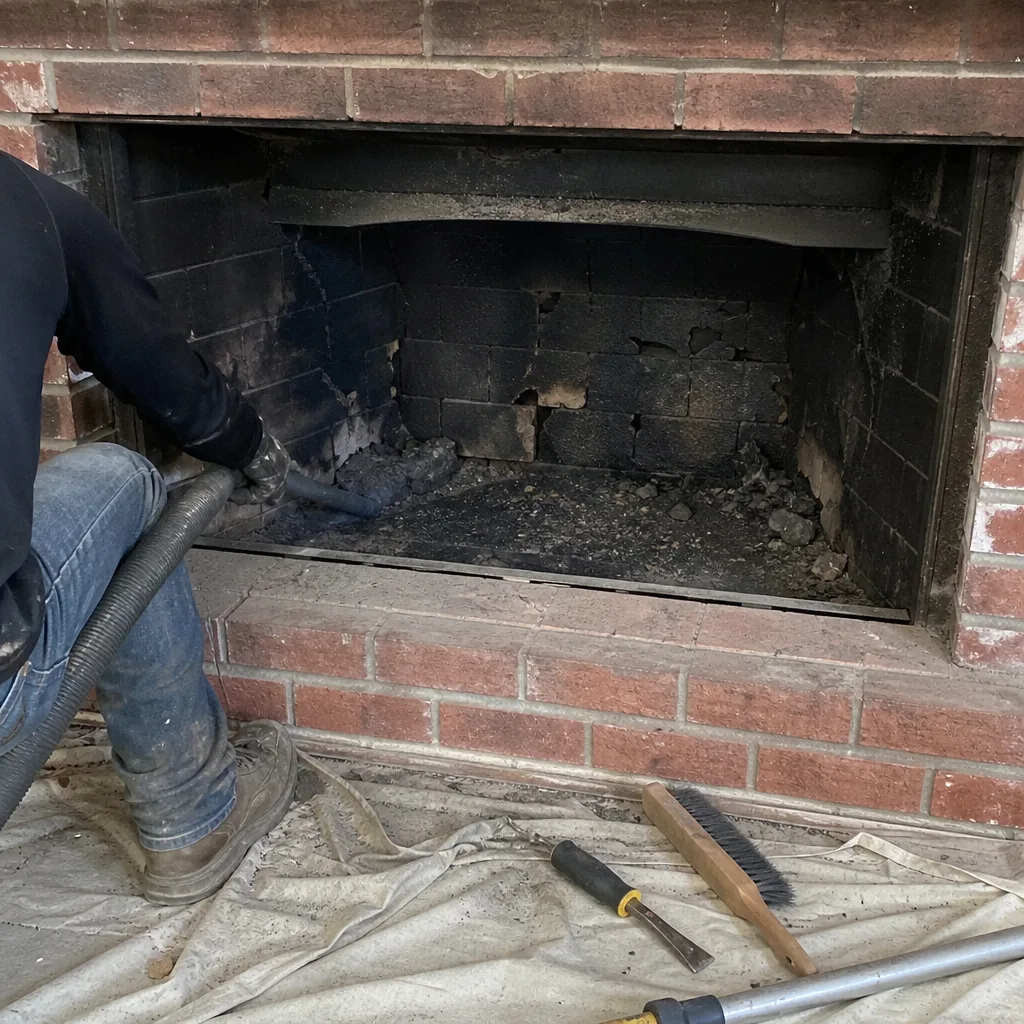
- Set up and protect. The technician lays drop cloths around the hearth, sets up a high-capacity vacuum or containment system to keep soot out of your home, and confirms the layout of your fireplace and flue.
- Inspect before brushing. The firebox, damper, smoke shelf, and visible flue are checked first. This is where the technician decides which brushes and which approach the debris calls for.
- Clear the firebox and smoke shelf. Ash, grit, and any nesting material are removed by hand and bagged. The smoke shelf is where buildup hides, and it gets cleared directly.
- Brush the flue. The right brushes work down the flue to break up soot and creosote and bring it into the containment area. Glazed sections get the extra attention they need.
- Run the camera. A video inspection scans the flue so any cracks, gaps, or hidden damage get caught and recorded before you’re told anything needs fixing.
- Check the exterior. The cap, crown, and flashing are assessed from the roof. A damaged crown or a missing cap is the most common way water and debris find their way in.
- Document and explain. You get a written report with photos and a clear explanation of what we found, what can wait, and what needs attention now.
That last step is the one worth insisting on. A technician who can’t show you a photo of the problem is asking you to take their word on faith. Safety is why we document everything: creosote fires and carbon monoxide both trace back to conditions that a camera catch makes visible. A real sweep is a starting point, not a checkbox.
How to Verify Your Chimney Is Actually Clean
A clean chimney isn’t just one that stopped smoking. The best way to verify a cleaning is to look at the evidence the technician leaves behind and know what a good result looks like.
Start with the report. A full-service cleaning should end with a written record of what was found and what was done, including photos of the flue interior and the roofline components. Review the photos against three things: the flue walls should be free of heavy creosote and visible soot streaks, the smoke shelf should be clear of debris, and the cap and crown should show no obvious gaps or damage. If those elements are covered in the report, you have a baseline to compare against next time.
You can also check the basics yourself right after service. The firebox and damper should be clean and operational, with no loose ash or grit left in the corners. The hearth around the fireplace should show no soot scatter. If the technician used proper containment, your home stays clean throughout; a sweep that leaves dust across the room didn’t control the work.
That documented baseline is why we treat inspection as part of the visit, not an upsell. When you have photos of last year and photos of this year, you can see whether the flue is holding up or slowly deteriorating. For a growing number of Garden Grove homes, that comparison is what catches a minor issue before it becomes a structural repair. It’s also the honest way to answer the question every homeowner asks first: do I really need this? You don’t have to take anyone’s word for it. You look at the same evidence we do.
How Often Should You Schedule Cleaning?
Chimney cleaning schedules depend on how you burn, not on the calendar alone. For a Garden Grove home with a regularly used wood-burning fireplace, an annual sweep and inspection is the safe standard. For a gas fireplace or a wood fireplace used only a handful of times a year, the interval can stretch, but you still want an inspection on a regular cadence to catch problems.
Here’s how to think about frequency by use case:
- Wood-burning, used regularly through the season. Annual cleaning and inspection. Don’t skip a year just because the fire count feels low; intermittent burning builds glazed creosote faster than you’d expect.
- Wood-burning, occasional use. Cleaning and inspection about every other year, with a check if you notice anything off in between.
- Gas fireplace. Annual inspection to check the firebox, venting, and overall condition. It’s not about creosote in the same way, but the system still needs a documented look.
- New to you. Clean and inspect right away if the home is new to you or the flue history is unknown. Start with a clean baseline.
Signs that bump you to the front of the line regardless of schedule include a strong smoky smell after a fire, difficulty getting a fire to draw, visible creosote flakes, or a damper that won’t close properly. If a fire has ever burned too hot or pulled oddly, get the flue checked before you burn again. The fireplace repair side of our work is often where these symptoms get resolved, and it’s worth reading before you assume the fix is complicated.
Common Mistakes to Avoid
We’ve seen the same avoidable problems come up again and again. A few of these habits cost homeowners money, and a couple are genuinely unsafe. Here are the ones to watch for in Garden Grove specifically:
- Skipping cleaning because the fire count is low. Intermittent burning is the main driver of glazed creosote here. A fireplace lit a dozen times a season can need attention as much as one used weekly.
- Falling for the cheapest quote. A blow-and-go sweep that skips the smoke shelf and camera inspection leaves you without a real picture of your flue. Value comes from what’s checked and documented, not from the lowest number.
- Burning when the cap is missing or damaged. An open flue pulls in palm debris, grit, and nesting material. A proper cap protects the investment you just paid for.
- Assuming a gas fireplace needs no service. Gas fireplaces need inspection too, for the firebox, venting, and surrounding structure.
- Burning unseasoned or scrap wood. Wet or resinous wood leaves more creosote and debris behind, which is exactly what you’re trying to avoid.
- Ignoring the roofline. A cracked crown or loose flashing lets water into the structure over time. The cap and crown protect everything the sweep and repair work was meant to preserve.
- Never asking to see the evidence. If you’re told a liner’s needed without a camera or a photo, ask for it. Nothing should be recommended without evidence you can review.
The pattern behind most of these is the same: assuming a chimney that isn’t causing obvious trouble is fine. Chimneys rarely announce a problem. They wait until the conditions are right for one, which is why a routine look is cheaper and calmer than fixing something after a scare.
When to Call a Professional
Some chimney issues are easy to spot and some only surface on camera, but a few situations call for a professional visit sooner rather than later. Get on the schedule if any of these apply:
- You smell a strong, smoky or sour odor in the room that lingers after a fire.
- Smoke spills into the room when you light a fire, or the fire struggles to draw.
- You’ve noticed creosote flakes on the firebox floor or a shiny, tar-like coating when you look up the flue.
- There’s been a chimney fire, even a small one you aren’t sure about.
- The cap is missing or damaged, or you see debris and bird nesting material at the top.
- It’s been years since the last cleaning, or you have no record of one.
- You’re buying a home in Garden Grove with an unknown fireplace history.
If more than one applies, don’t wait for the next season. Garden Grove Chimney Sweep offers free estimates in Garden Grove. Call (877) 492-3690 to get on the schedule and get a clear picture of what’s going on inside your chimney. We answer 24/7, with fast dispatch from 7am to 7pm, Sunday through Friday.
Frequently Asked Questions
For a regularly used wood-burning fireplace, once a year; for light or occasional use, about every other year with an inspection. Because intermittent burning builds glazed creosote faster in our mild climate, it’s better to inspect a bit more often than to go by fire count alone. Call (877) 492-3690 for a free estimate and we’ll help you set the right schedule.
A full cleaning includes protecting the hearth and floor, clearing the firebox and smoke shelf, brushing the flue with the right tools for the debris, a camera inspection with photos, a roofline check of the cap and crown, and a written report. A quick brush-only sweep leaves most of that out. Call (877) 492-3690 for a free estimate.
Only if the camera inspection shows it. A cracked flue tile or a damaged crown is real and worth fixing, but nothing should be recommended without photo evidence you can review for yourself. Ask to see the images before you agree to anything. Call (877) 492-3690 for a free estimate that comes with that documentation.
That lingering smoky smell usually means draft is pulling air down the flue, or debris and creosote are sitting in the flue and releasing odor into the room. It’s a good reason to schedule an inspection, even in the off-season. Call (877) 492-3690 and we’ll take a look.
No. A gas fireplace doesn’t build creosote the same way wood does, but it still needs an annual inspection of the firebox, venting, and surrounding structure. Gas units can develop problems that aren’t visible from the room. Call (877) 492-3690 for a free estimate.
A Level 1 is the standard check on a flue in known good condition; a Level 2 adds a camera scan of the interior and is required when the home changes hands, the fuel type changes, or there’s been a chimney fire. If your fireplace history is unknown, start with a Level 2. Call (877) 492-3690 for a free estimate and we’ll tell you which applies.
The Bottom Line
Chimney cleaning in Garden Grove isn’t a generic annual chore. The short, intermittent burning season here builds glazed creosote fast, palm debris and dry grit pile up in uncapped flues, and the value of a cleaning lives in the camera inspection and report, not the brush. A real sweep protects your home, documents what’s inside the chimney, and tells you honestly when work can wait. A proper cap and crown finish the job by keeping debris and moisture out. If your fireplace has been sitting a while, get a real look at it before the next fire. Call (877) 492-3690 for a free estimate, and let us show you what we found.
Written by the team at Garden Grove Chimney Sweep.
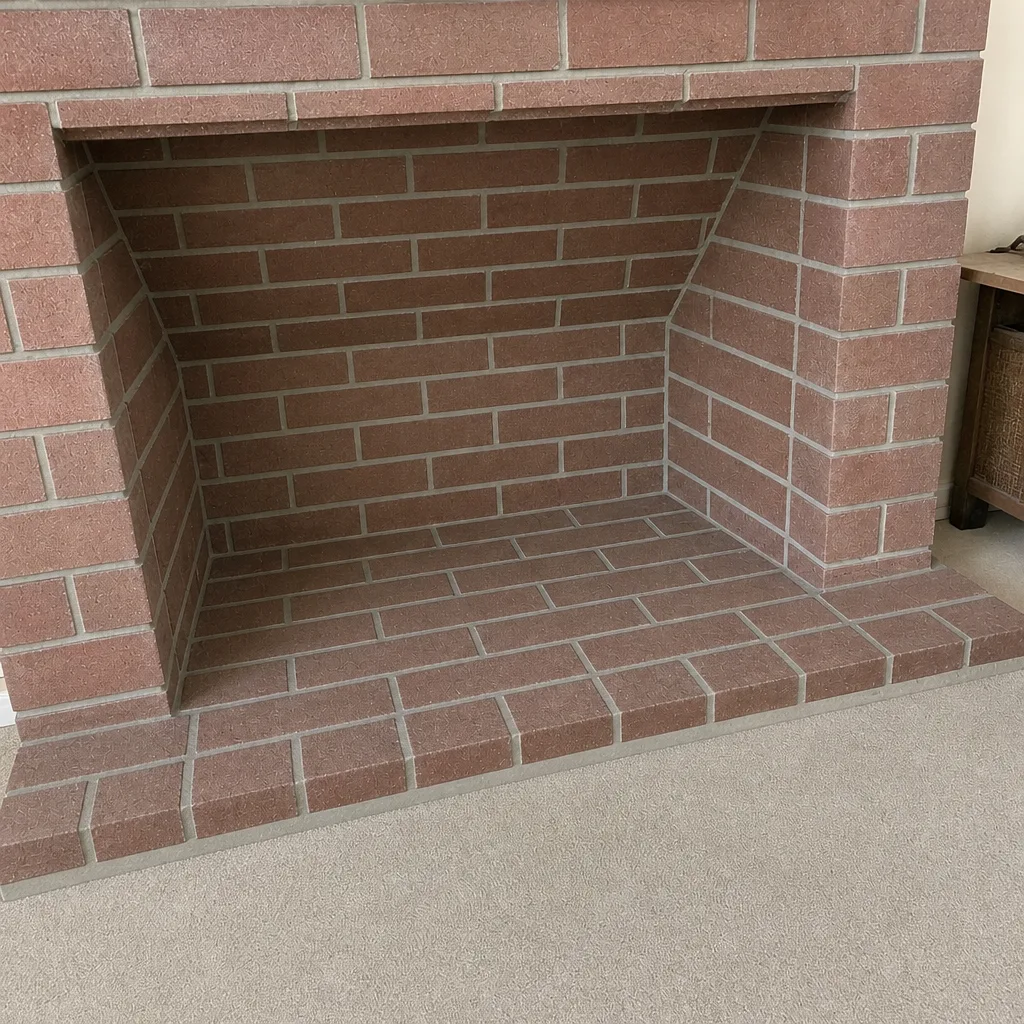
See the difference
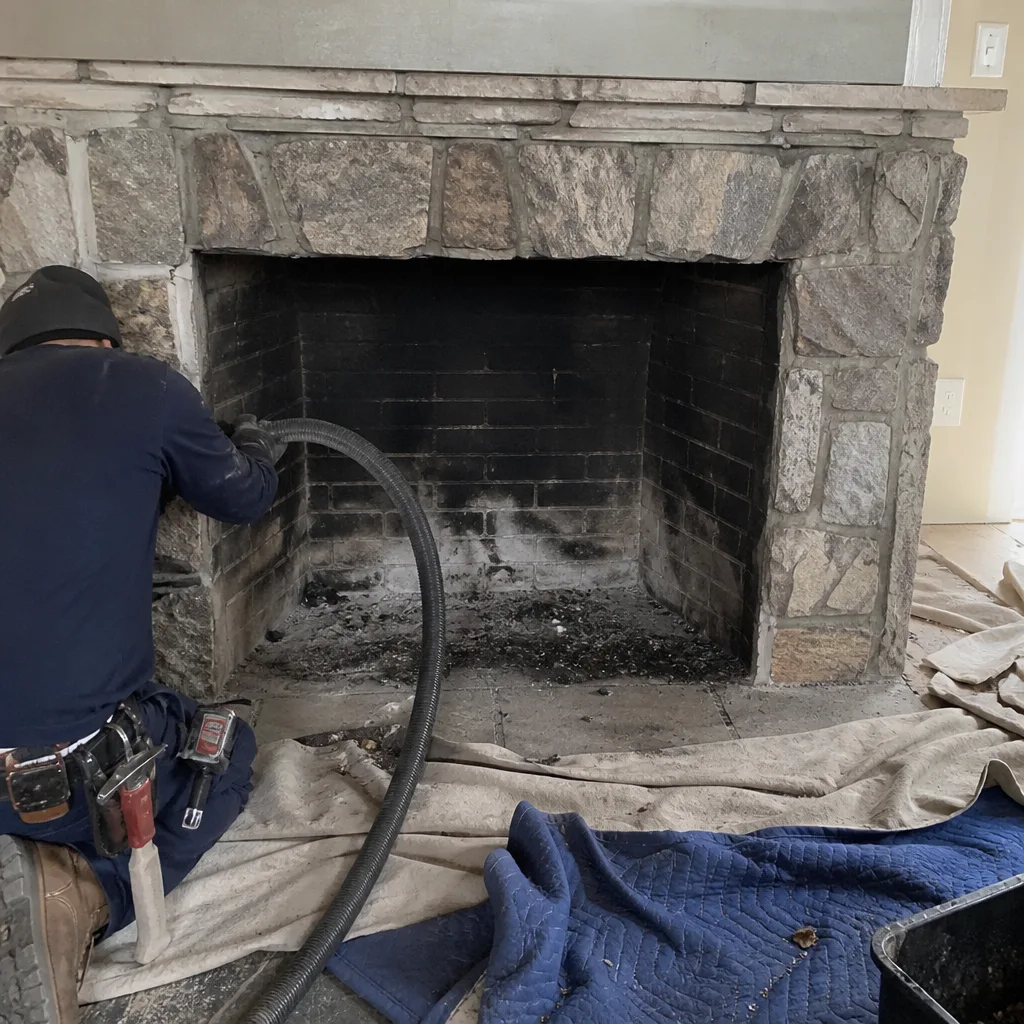 Before
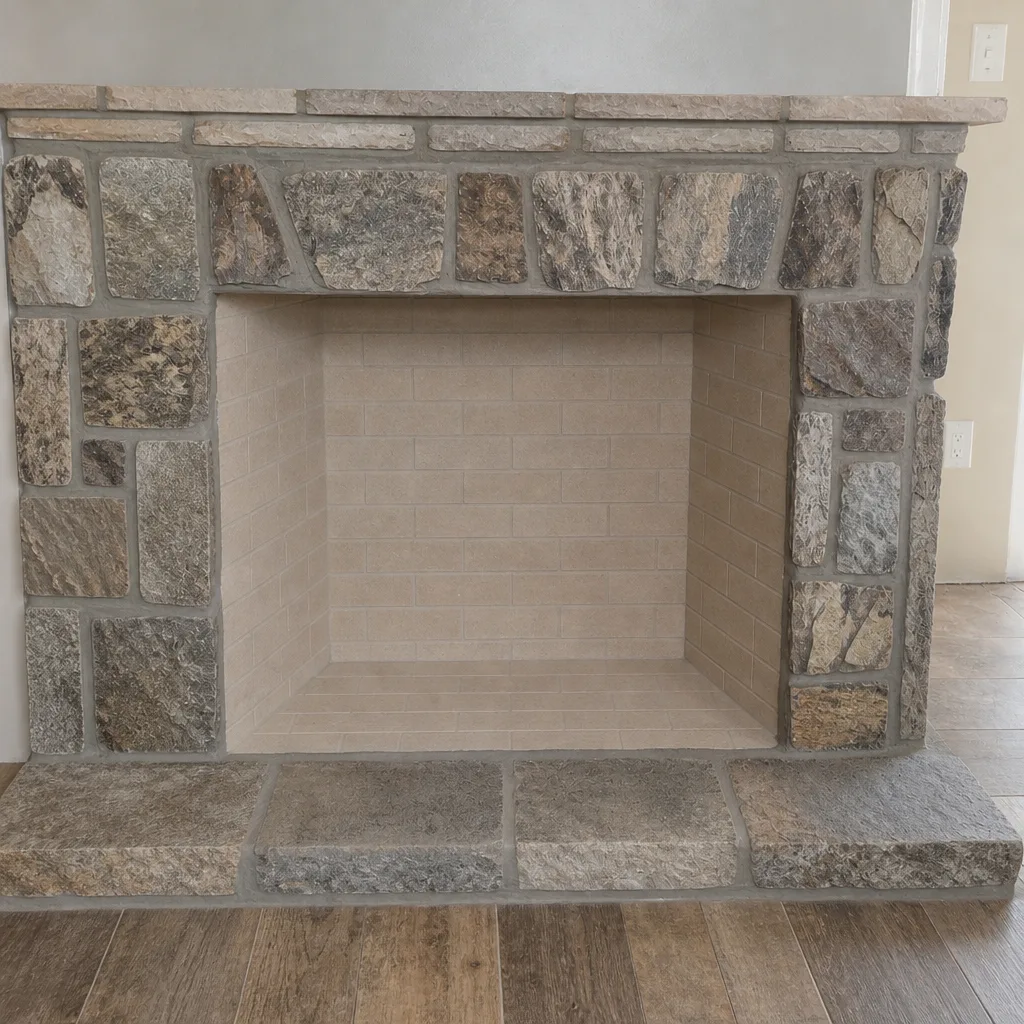 After
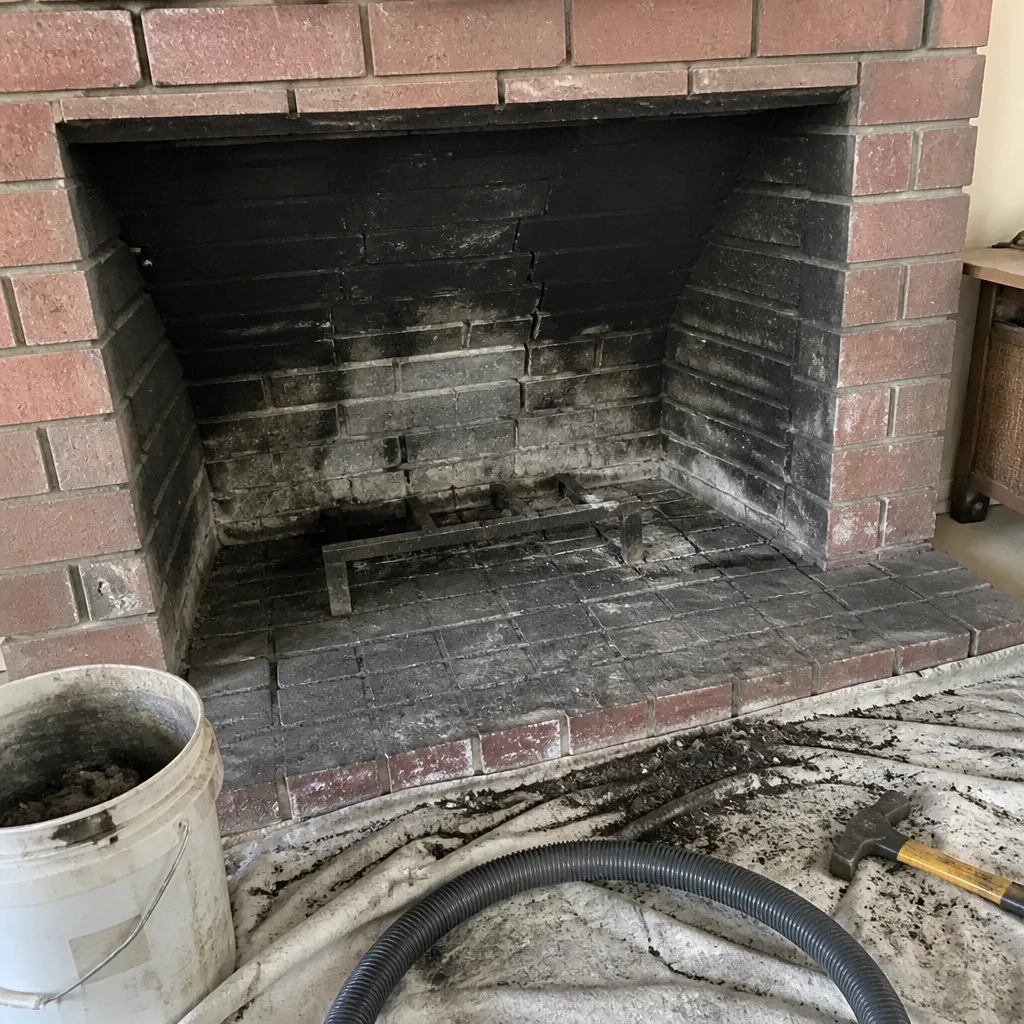 Before
 After
 Before
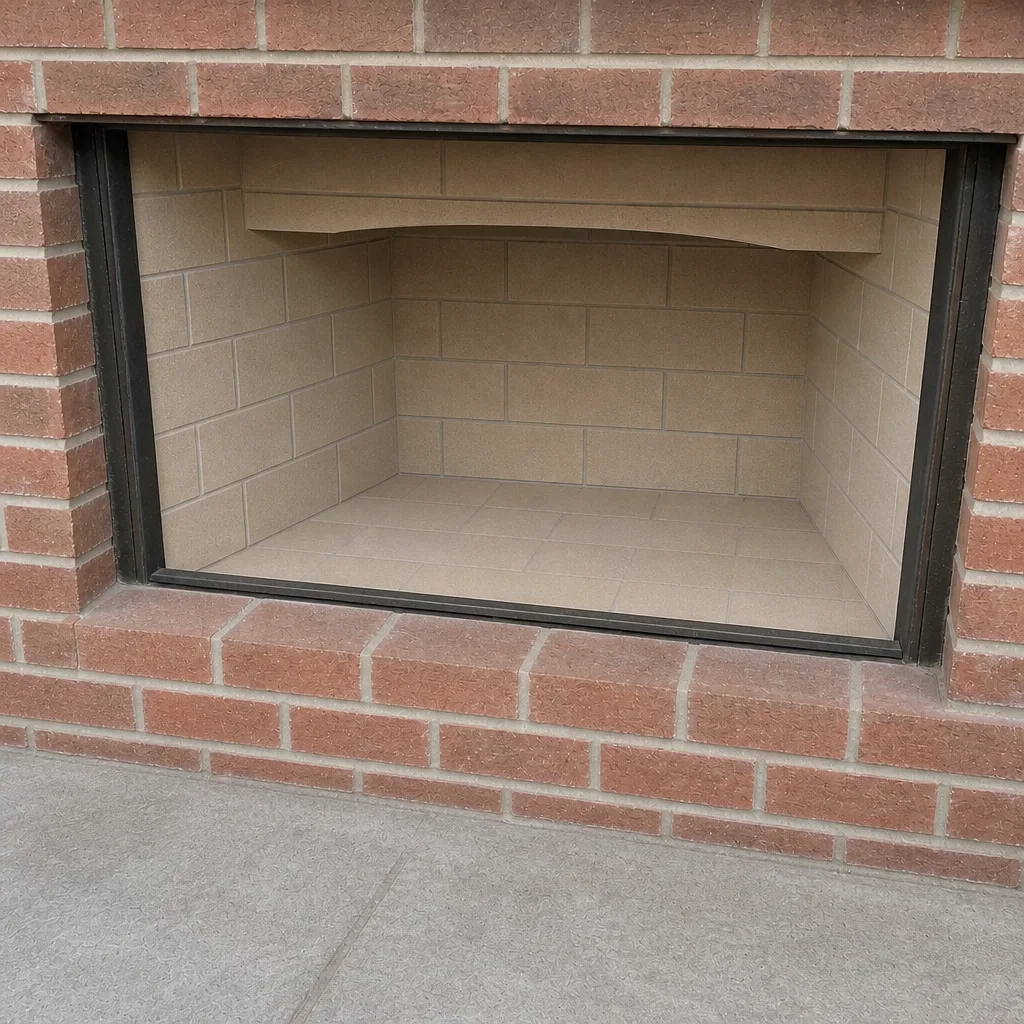 After