
Last updated November 23, 2026
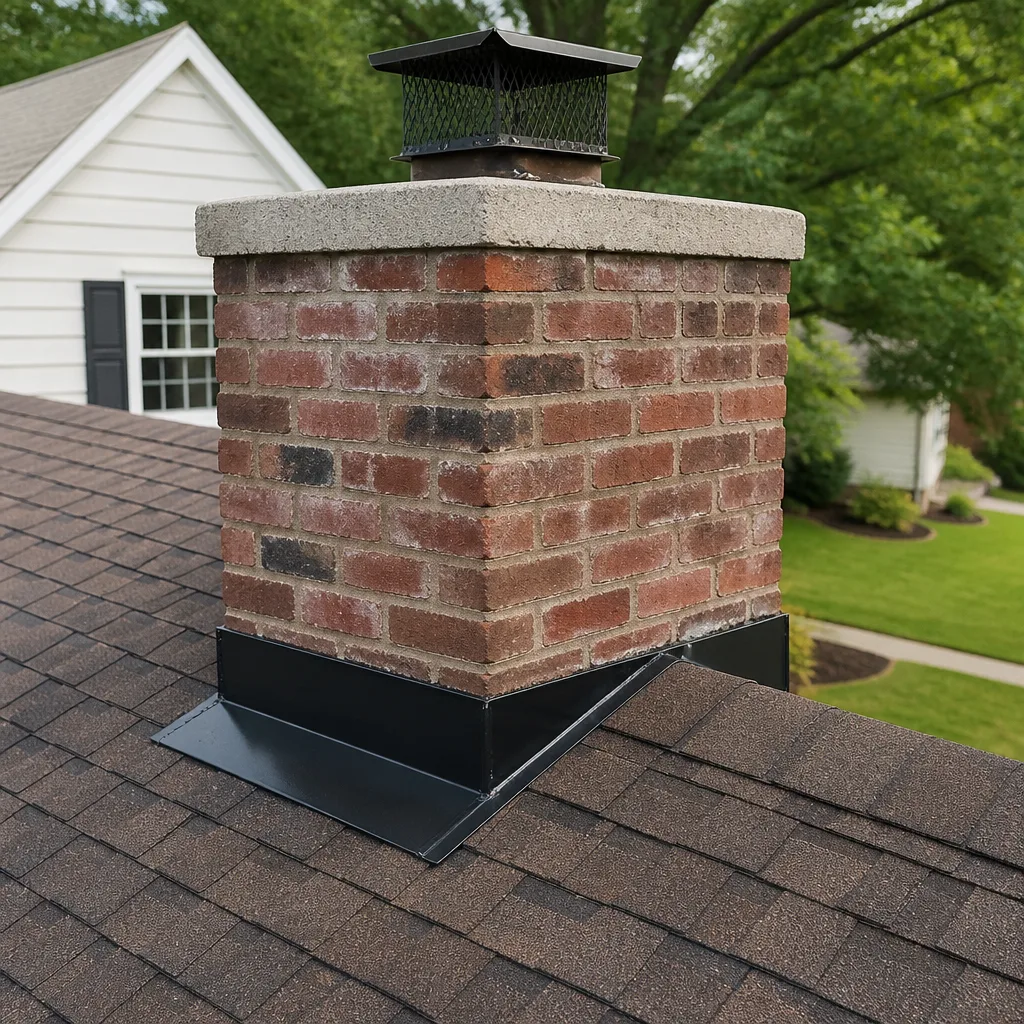 Sweep & inspection
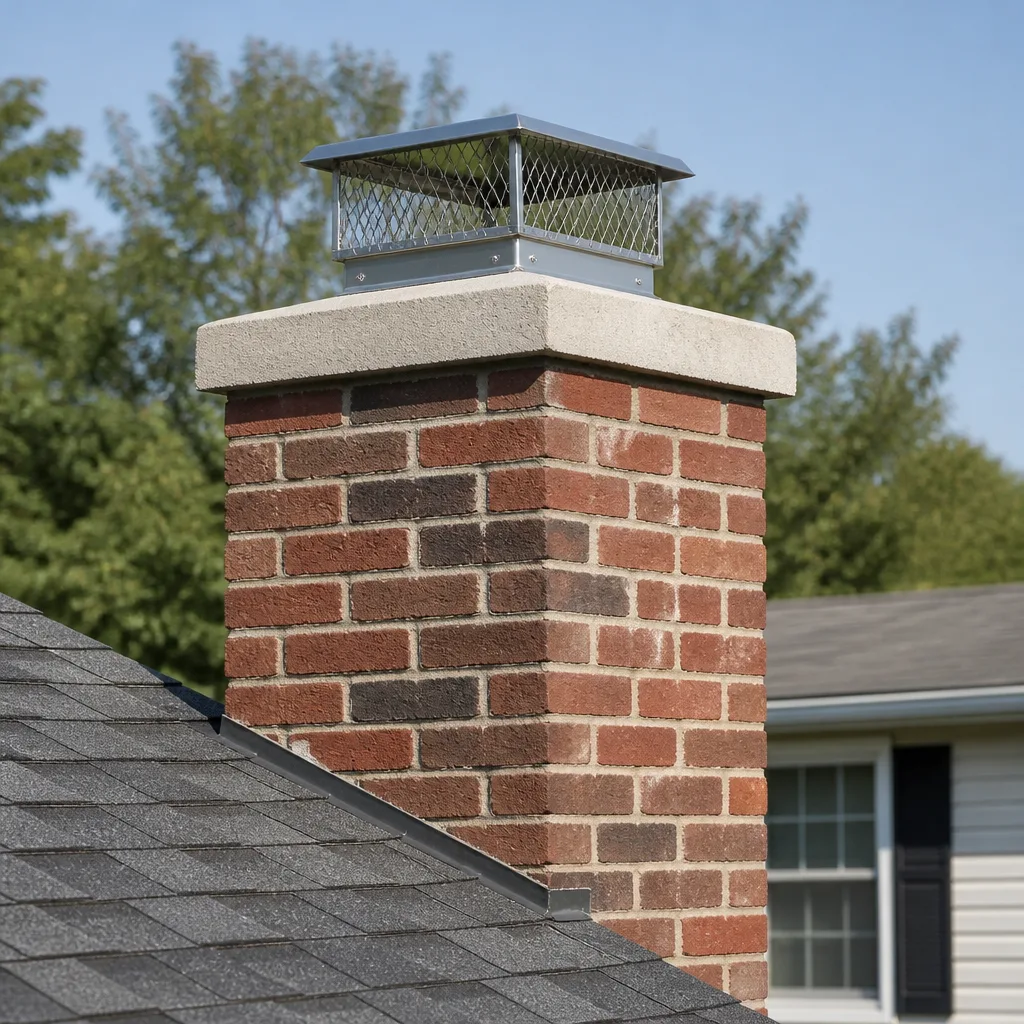 Caps & crowns
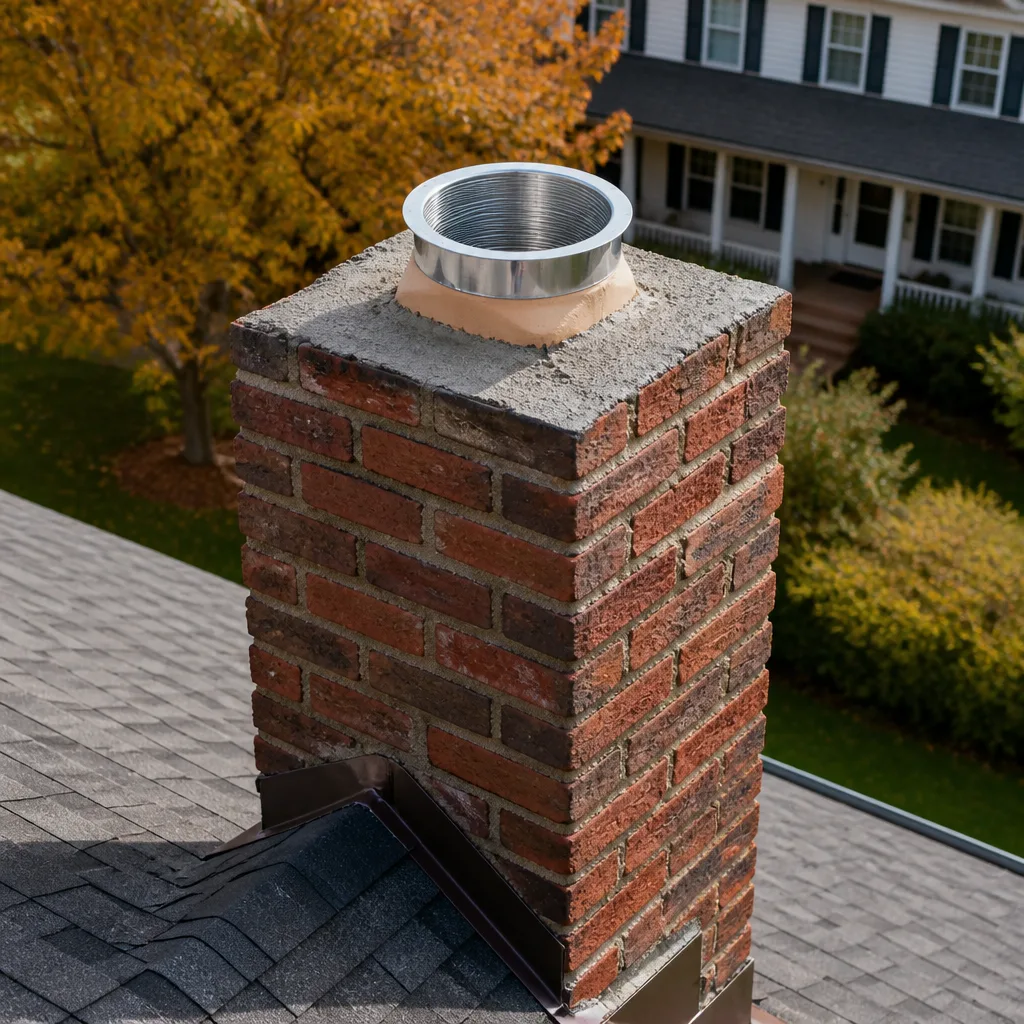 Flue relining
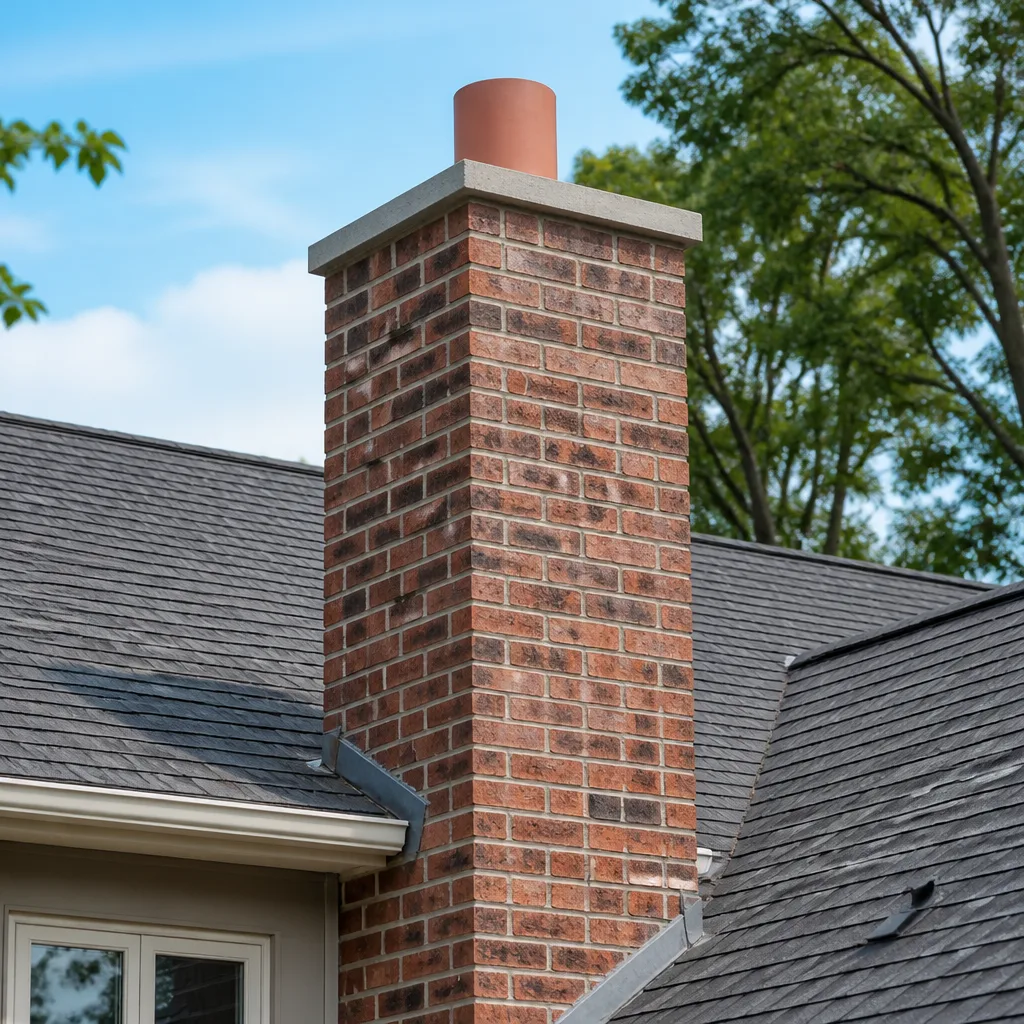 Masonry repair
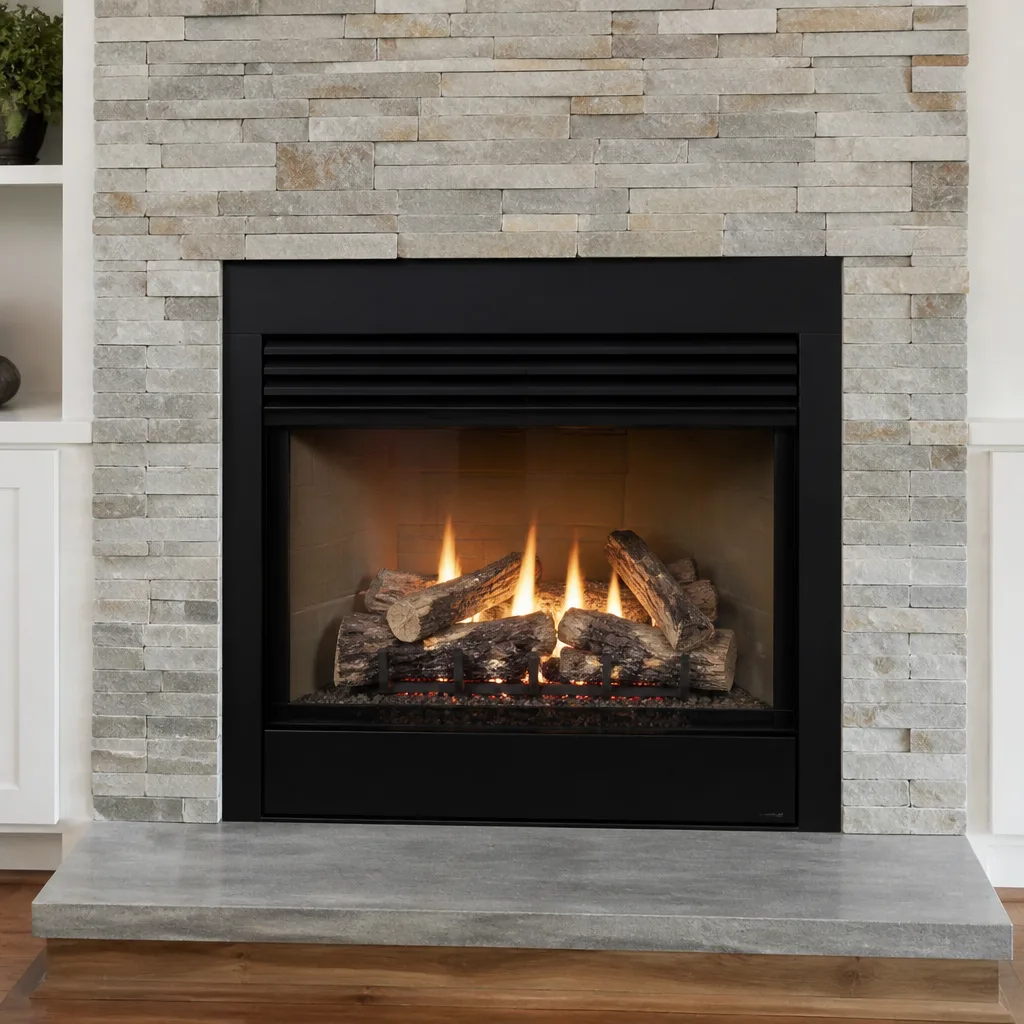 Gas fireplace service
Level 1 sweep and inspection to the NFPA 211 annual standard - flue, crown, cap, and flashing checked and photographed
Chimney sweep logs do not sweep chimneys. They loosen some creosote - which then falls where a brush and vacuum still have to collect it.
Choosing the Right Chimney Cleaning Brand: A Buyer’s Guide for Garden Grove
Most homeowners judge a chimney sweep by how the fireplace looks afterward. That’s the wrong test. The brush your sweep uses should be sized to within a quarter inch of your flue’s interior dimension, and a brush that’s too small leaves creosote clinging to the walls on every pass. A sweep can spend an hour in your chimney and still leave a film of highly combustible residue behind if the tooling is wrong. In Garden Grove, where wood-burning fireplaces are common and many flues are original to homes built decades ago, that gap between “looks clean” and “is clean” matters. This guide covers the brushes, rods, chemical treatments, caps, and sealants professional chimney companies actually use, how those products differ from hardware store versions, and the questions that separate a prepared contractor from an unprepared one.
Quick Answer
The right chimney cleaning brand is the one whose products match your flue’s specific size, material, and condition, not the one with the biggest name on the shelf. Professional-grade brushes, rods, and inspection equipment from makers like Rutland, Midwest Hearth, and Haven outperform general hardware store tools because of polypropylene bristle construction, correctly weighted rods, and accurate sizing. Chemical creosote treatments extend time between sweeps but never replace mechanical cleaning, and cap, damper, and waterproofing products should be chosen for vapor permeability and material grade rather than price alone.
Styles & brands we work with
- Sweep & inspection
- Caps & crowns
- Flue relining
- Masonry repair
- Gas fireplace service
Table of Contents
- Why the Products Behind the Sweep Matter
- Brush, Rod, and Inspection Equipment Brands Compared
- Chemical Creosote Treatments: When They Help and When They Don’t
- Chimney Cap and Damper Brands: Stainless vs Galvanized
- Waterproofing Sealants: Why Vapor Permeability Matters
- Questions to Ask Your Chimney Contractor
- Repair and Restoration Brands: HeatShield, DuraFlex, and More
- Garden Grove Context: Climate, Housing, and Chimney Condition
Why the Products Behind the Sweep Matter
Chimney sweeping is physical work performed on a surface you can’t see. That combination makes it easy for a contractor to appear thorough while cutting corners with the wrong tools. The brand and specification of the equipment tells you which kind of contractor showed up.
Three product categories drive the outcome of a sweep: the brush, the rods that carry it, and the inspection camera or light that verifies the result. Each has a professional grade and a consumer grade, and the gap between them isn’t cosmetic.
A properly equipped chimney sweep arrives with brushes in multiple sizes because flues vary. Standard masonry flues in Garden Grove homes often measure differently from one block to the next, and older homes especially may have flues with intentional or accidental dimensional variation. A sweep carrying one “universal” brush will over-brush some flues and under-brush others.
- Brush sizing: Professional brushes come in quarter-inch increments because creosote removal depends on bristle contact with every wall of the flue.
- Rod flexibility: Whip rods bend through offsets and angles; stiff rods force a sweep to skip awkward sections.
- Inspection lighting: High-lumen, articulating LED lights let a technician see ledge buildup that a flashlight beam misses.
- Camera inspection: A documented baseline of flue and firebox condition should exist before any repair recommendation is made.
When a sweep shows up with the right materials already on hand, that signals preparation. We stock and install professional-grade products from the industry’s leading manufacturers, which means the repair recommendation that follows a sweep is grounded in products we already know and trust, not a special order placed after the fact.
Brush, Rod, and Inspection Equipment Brands Compared
The brands that supply professional chimney sweeps aren’t household names, and that’s part of the problem for homeowners trying to evaluate a quote. Here’s what distinguishes the leading suppliers from general hardware store alternatives.
Rutland
Rutland is one of the longest-recognized names in chimney maintenance products, and their brush line covers the round, flat, and rectangular profiles that different flue shapes require. Their polypropylene bristle construction holds up through repeated passes against abrasive creosote without splaying the way cheaper nylon brushes do. Rutland also makes creosote treatment chemicals, which we’ll cover below.
Midwest Hearth
Midwest Hearth supplies brushes, rods, and accessories, and their rods are a useful benchmark. A good rod is stiff enough to push creosote off the wall but flexible enough to negotiate an offset without snapping or binding. Midwest Hearth rods tend to hold up well across repeated sweeps, which matters on a busy season.
Haven
Haven is known for professional-grade chimney brushes and inspection equipment, including whip heads and specialized tools for flue shapes that a standard round brush can’t reach. For flues with heavy glaze or a rectangular profile, the Haven line offers an option that generic brushes don’t.
What Separates Professional from Hardware Store
- Bristle material: Polypropylene holds its stiffness against abrasive creosote; consumer brushes often use softer nylon that bends away from the wall.
- Sizing range: Professional brushes exist in quarter-inch increments; hardware store stock is usually limited to one or two common sizes.
- Rod threading: Professional rods use standard threads that interchange across heads, so a sweep can switch heads mid-flue without a special adapter.
- Reusability: A well-made brush survives a full season of professional use; consumer brushes are typically single-project tools.
The practical upshot: if a contractor quotes you a sweep and can’t tell you what brush size your flue takes, they likely aren’t sizing the brush to your specific chimney. Our technicians have up to 13 years of experience sizing brushes to the flue in front of them, and we’ll show you what we found before and after.
Chemical Creosote Treatments: When They Help and When They Don’t
Chemical creosote treatments are a maintenance supplement, not a substitute for mechanical cleaning. Understanding the difference protects your chimney and your wallet.
Creosote forms in three stages: a light soot and flaky stage, a sticky stage, and a hardened, glazed stage. Stage three glaze is difficult to remove mechanically and is the most combustible. Products like Anti-Creo-Soot (ACS) and Rutland’s creosote remover work by chemically softening or converting creosote into a less combustible, flakier form that a subsequent sweep can remove. They’re applied to the fire, not poured down the flue, and they work over multiple burns.
When Chemical Treatments Are Appropriate
- Between annual sweeps: A maintenance dose during the burning season can reduce glaze buildup before it hardens.
- After a heavy-burning season: If you burn many cords of wood, a treatment before the next sweep helps the brush do its job.
- As part of an ongoing maintenance schedule: Homeowners who burn frequently benefit from a routine that includes both treatment and annual sweep.
When They Are Not
- As a replacement for mechanical cleaning: A treatment cannot remove existing soot and creosote buildup; it changes the chemistry, not the location.
- As a fix for a glazed flue: Heavy glaze often requires professional mechanical removal or, in severe cases, relining.
- As a first step before inspection: A documented baseline of flue and firebox condition comes first, and chemical treatment follows a professional’s recommendation.
The honest answer is that chemical treatments help most when combined with a proper sweep and inspection schedule. A contractor who recommends a treatment without a documented inspection is selling product, not diagnosis. Our approach is to establish the baseline first with a chimney repair consultation only after we’ve seen the flue condition on camera.
Chimney Cap and Damper Brands: Stainless vs Galvanized
Chimney caps and dampers are the first line of defense against water and animals, and the material grade you choose determines how long they last in Garden Grove’s climate. The brands a contractor works with tell you a lot about whether they treat cap installation as a primary service or an afterthought.
Lyemance manufactures top-sealing dampers, Gelco supplies stainless caps and crowns, Olympia Chimney produces caps and related accessories, and Famco is another recognized name in chimney caps and components. The common thread among the professional-grade options is stainless steel construction.
Stainless Steel vs Galvanized
- Stainless steel: Resists rust and corrosion over the long haul, holds shape under wind, and is the standard for caps that are expected to last.
- Galvanized steel: Costs less up front but rusts at seams and fasteners sooner, and eventually needs replacement.
- Famco and Olympia caps: Multi-flue and single-flue options in stainless that fit standard masonry and pre-fab tops.
- Gelco caps and crowns: Designed to shed water away from the crown and flue opening, protecting the structural work below.
Garden Grove’s mild winters keep rust from accelerating as fast as it does in wetter climates, but the dry season’s sun and occasional rain still work on galvanized steel over time. A stainless cap is the longer-lived choice. We install Gelco, Olympia Chimney, and Famco products as standalone cap work, and we treat cap and crown installation as its own service rather than an upsell tacked onto a sweep.
A top-sealing damper, such as the Lyemance style, closes the flue from the top of the chimney rather than inside the firebox. That eliminates the air leak that an open or worn throat damper allows, and it also blocks animals and rain more effectively than a simple flue cap. If your damper is stuck or seals poorly, that’s a repair worth discussing during the inspection.
Waterproofing Sealants: Why Vapor Permeability Matters
Masonry chimneys need to breathe. Sealants that trap moisture inside the brick accelerate spalling and freeze the moisture in place, while vapor-permeable formulas let water vapor escape while blocking liquid water from soaking in.
ChimneySaver is the product that made vapor-permeable masonry waterproofing the standard for chimneys. Its formula is designed to shed liquid water at the surface but allow water vapor to escape from inside the masonry. Standard masonry sealers, by contrast, are often film-forming acrylics that block vapor as effectively as they block rain. That trapped moisture has nowhere to go, and over time it pushes bricks apart from the inside.
Why This Matters in Garden Grove
Brick and mortar in Garden Grove homes take on moisture from rain and, in some cases, from sprinklers and irrigation hitting a chimney’s sun-facing side. Once moisture is inside the masonry, a vapor-impermeable sealer seals that moisture in. The result is spalling brick, crumbling mortar joints, and a repair bill that replaces what a good sealer would have protected.
- Vapor-permeable sealers: Allow moisture inside the masonry to escape, reducing spalling risk.
- Standard masonry sealers: Trap moisture, accelerate deterioration, and typically need replacement sooner.
- Application matters: A sealer is only as good as the surface prep behind it, and cracks and open joints need repair before sealing.
If a contractor quotes waterproofing without first inspecting the crown, mortar, and brick condition, the sealer is likely going on top of damage rather than protecting sound masonry. We include waterproofing in the broader chimney repair conversation only when the surface condition supports it.
Questions to Ask Your Chimney Contractor
A knowledgeable technician can explain their material choices without hesitation. That’s the simplest test of whether the contractor you’re talking to is prepared or improvising.
Ask these questions before you hire. The quality of the answer matters more than a polished sales pitch.
- What brush size does my flue take, and how do you know? A prepared sweep measures the flue before selecting the brush.
- What brand and type of inspection camera or light do you use? The answer should be specific.
- Which cap and damper brands do you install, and why stainless over galvanized? A contractor who treats this as a real service will have a real answer.
- Do you use vapor-permeable waterproofing on masonry chimneys? If the answer is a generic “sealer,” ask follow-up questions.
- Will you show me what you found? You should see the inspection result for yourself, not take a summary on faith.
- Do you handle fireplace repair and structural chimney repair, or will you refer me out? A company that handles the full lifecycle means no handoffs when a small issue becomes a structural one.
- Do you work with HeatShield or DuraFlex products? These are the professional-grade options for flue restoration and relining, and a contractor who works with them can offer restore-not-replace solutions.
When a contractor can answer all seven without hedging, you’re likely talking to someone who does this work as a specialty, not a side job. If the answers are vague, that’s a signal worth taking seriously.
Repair and Restoration Brands: HeatShield, DuraFlex, and More
Once a sweep and inspection reveal a problem in the flue, the products available to fix it determine whether you face a small targeted repair or a full reline. The brand a contractor works with is a direct signal of the options they can offer you.
HeatShield is a flue resurfacing system that restores deteriorating clay flue tiles by applying a specialized mortar-like material to the inside of the flue. It restores the flue without the cost of full relining in the right conditions, which is meaningful for homeowners facing a repair recommendation they can’t easily verify. Not every chimney sweep in Garden Grove is equipped to offer HeatShield, because it requires specialized training and equipment. Our technicians can perform HeatShield resurfacing on qualifying flues and will tell you plainly when a flue is too far gone for resurfacing and needs a liner instead.
DuraFlex is a flexible stainless steel liner system used for relining, and it’s a good fit for complex or offset flue configurations where a rigid liner won’t pass. DuraFlex liners are designed for longevity, and they’re the system we use for relining work. If your flue has an offset from an older chimney configuration, a flexible liner can often route through where a rigid liner cannot.
The repair and restoration brands we work with, including HeatShield, DuraFlex, Gelco, Olympia Chimney, Famco, and Copperfield, are all professional-grade products from recognized manufacturers. The common thread is that each one is built to solve a specific structural problem, not to cover one up.
Our approach with any repair recommendation is to show you what we found first. A camera inspection and a documented baseline of flue and firebox condition comes before any recommendation, and the recommendation is tied to what the evidence shows rather than to what a contractor happens to have on hand. If a repair can safely wait until after the burning season, we’ll say so.
Garden Grove Context: Climate, Housing, and Chimney Condition
Chimney maintenance in Garden Grove has its own local character. Winters here are mild, which means the burning season is shorter than in colder parts of the country, but it also means homeowners sometimes let maintenance slide through a couple of seasons before the chimney is swept. That gap lets creosote accumulate in layers.
Garden Grove’s housing stock ranges from older single-family homes with original masonry chimneys to mid-century builds with pre-fab fireplaces, and each type has its own maintenance profile. Original masonry chimneys from decades ago often have flue tiles that have aged, mortar joints that have shifted, and crowns that have lost their pitch. Pre-fab units have their own life expectancies and their own liner requirements.
The dry, warm local climate means that moisture intrusion from rain is the main enemy masonry chimneys face, rather than freeze damage. A chimney crown that loses its slope or cracks lets water into the masonry, where it spalls the brick and rots the mortar over time. This is exactly the case for vapor-permeable waterproofing: the climate keeps masonry relatively dry on the surface, but when water does get in, it needs a route to escape.
- Older masonry homes: Flue tile aging, crown cracking, and mortar deterioration are the recurring conditions.
- Mid-century and later homes: Pre-fab inserts and fireplaces with their own liner and cap requirements.
- Common local tree cover: Leaves and debris find their way into caps and flues across the area, especially near established trees.
- Burning season: The shorter season means the sweep schedule needs to be proactive, not reactive.
If your fireplace gets regular use during the cooler months, an annual sweep and inspection is the baseline that protects everything else. Our team at Garden Grove Chimney Sweep works with the five core services that cover the full lifecycle: sweep, inspection, fireplace repair, chimney repair, and cap and crown installation, all handled in-house so there’s no referral out when the scope grows.
Common Mistakes to Avoid
- Judging the job by how the fireplace looks: A visually clean firebox doesn’t mean the flue is clean. Ask for the camera inspection result, not just an assurance.
- Accepting a quote without asking what materials will be used: The brush size, cap grade, and sealer type all matter. A contractor who can’t name their products is improvising.
- Hiring the lowest quote without checking the brush size: A bargain sweep often means a single brush used on every flue in every home, which leaves creosote behind on oversized flues and scratches narrow ones.
- Using a standard masonry sealer on a brick chimney: Film-forming sealers trap moisture and accelerate spalling. Ask specifically about vapor-permeable products.
- Treating chemical creosote removers as a substitute for a sweep: These products help between sweeps, but they can’t remove existing buildup. Mechanical cleaning is the baseline.
- Skipping the cap because the crown looks fine: A cap keeps animals, rain, and debris out of the flue. Without one, everything that lands on the crown ends up in your chimney.
- Letting a small crack wait until next season: Cracks in the crown or open mortar joints get worse with each rain. A small repair now prevents a larger one later.
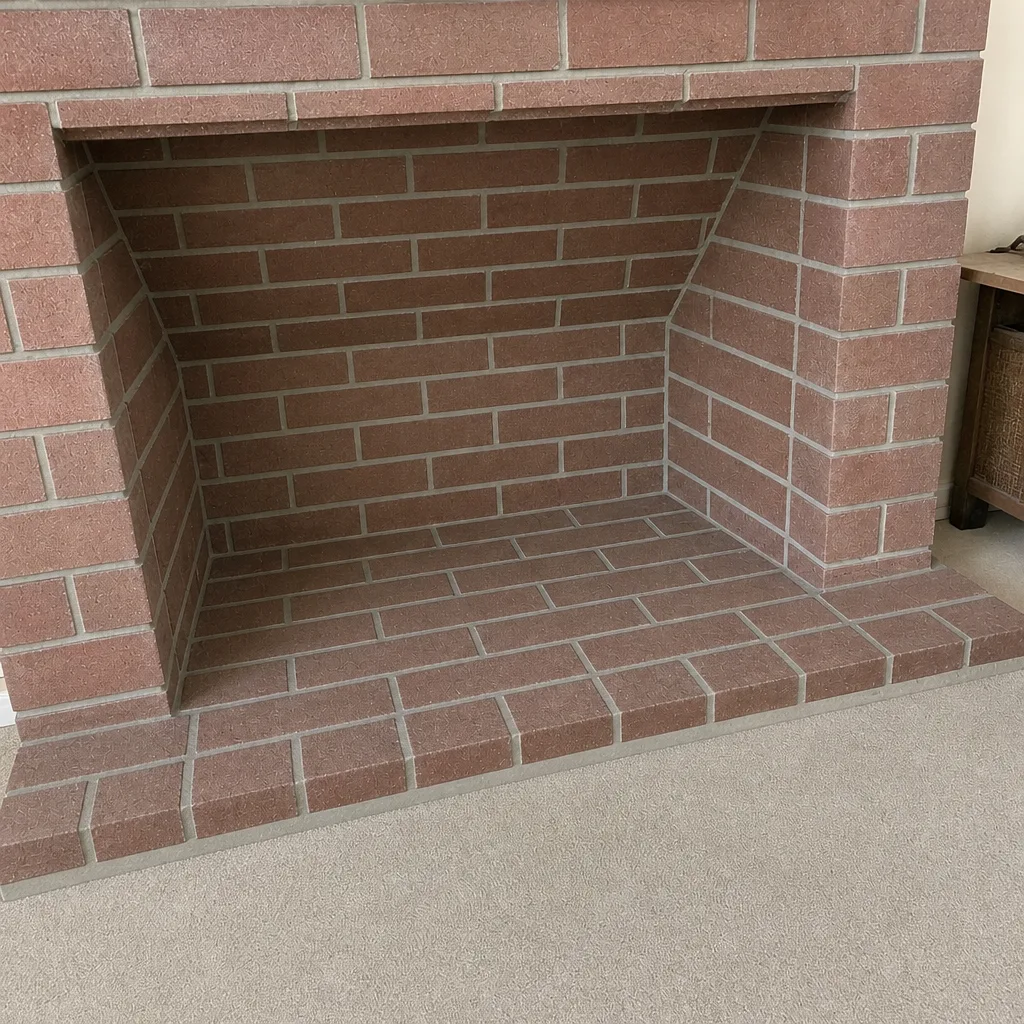
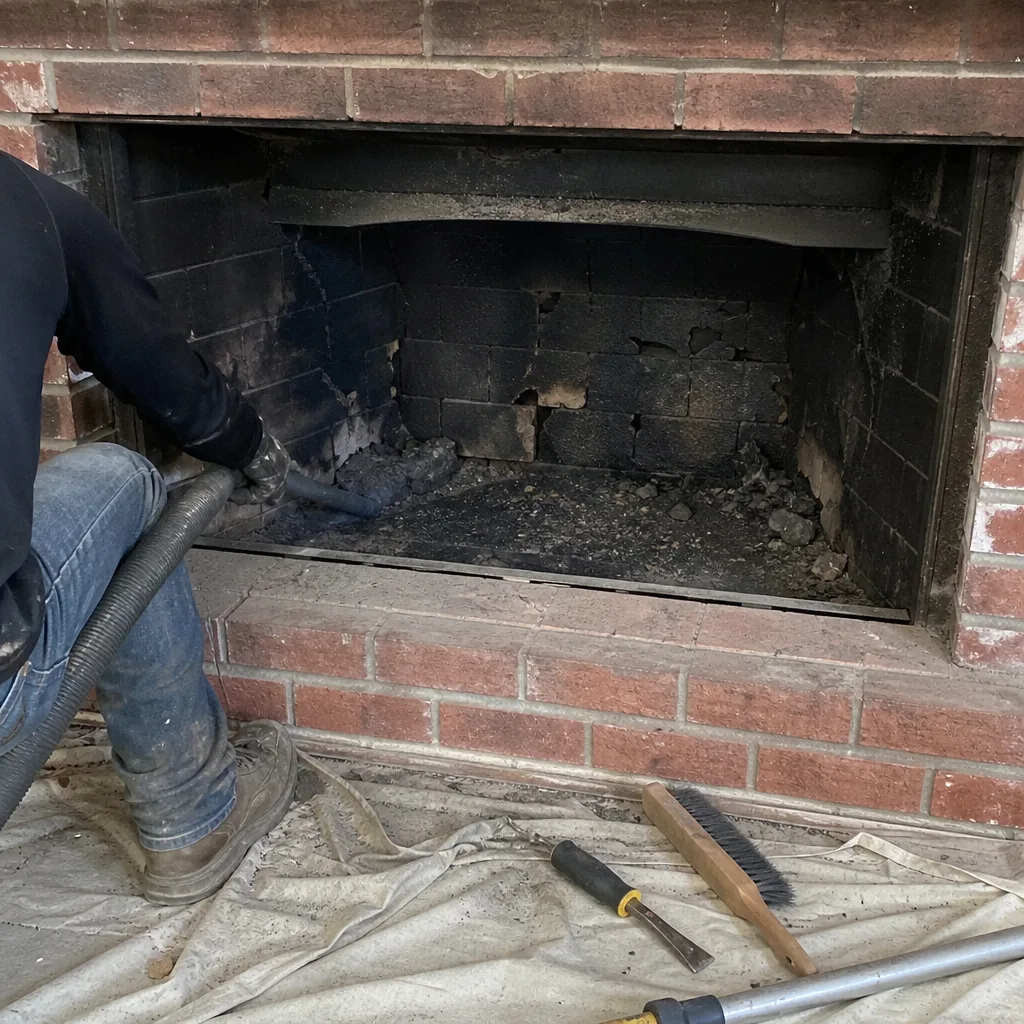
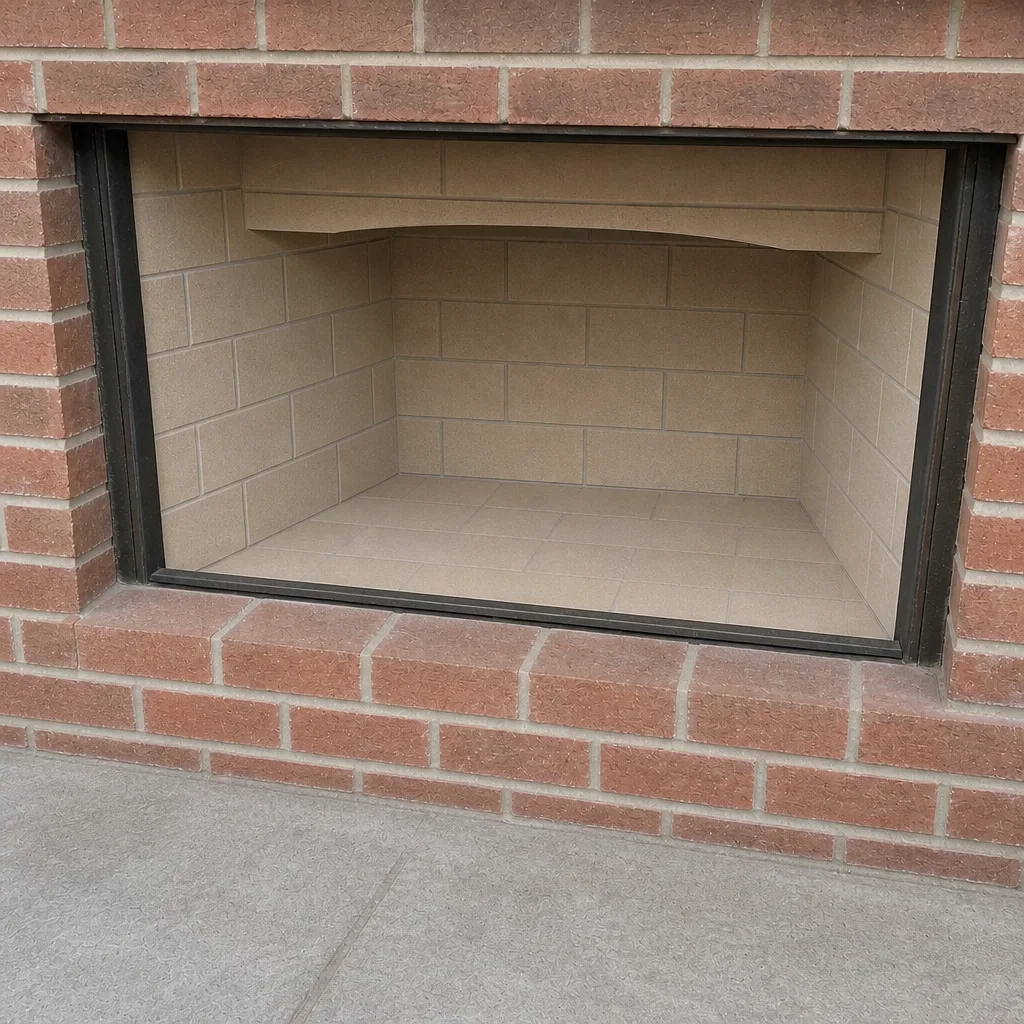
See the difference
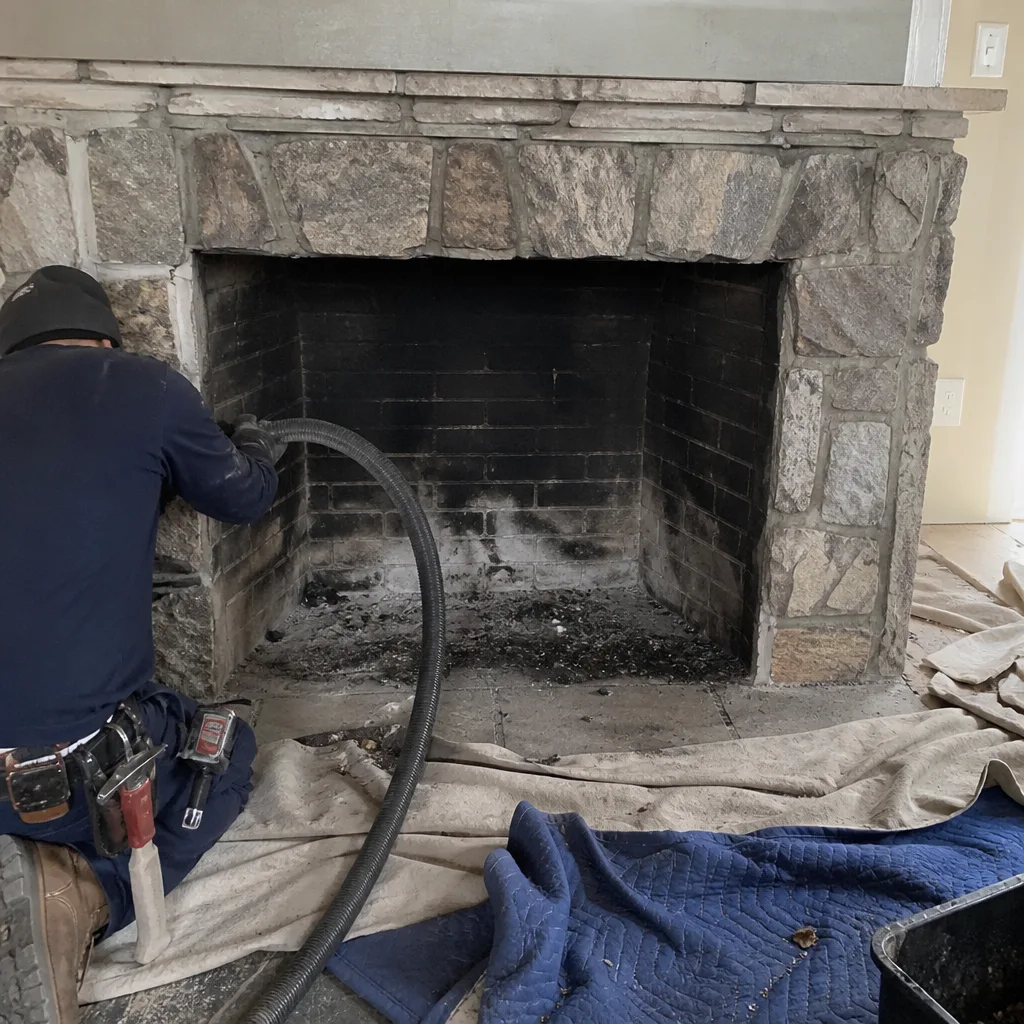 Before
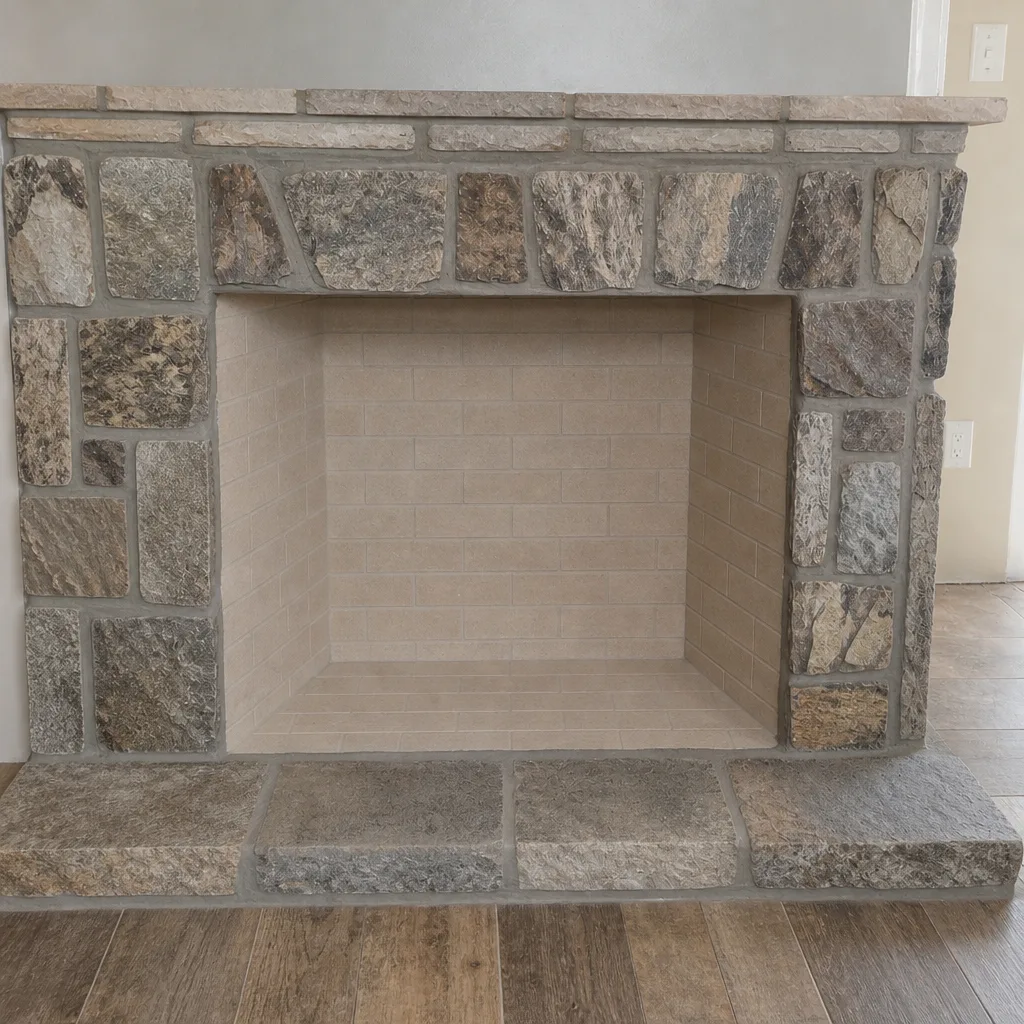 After
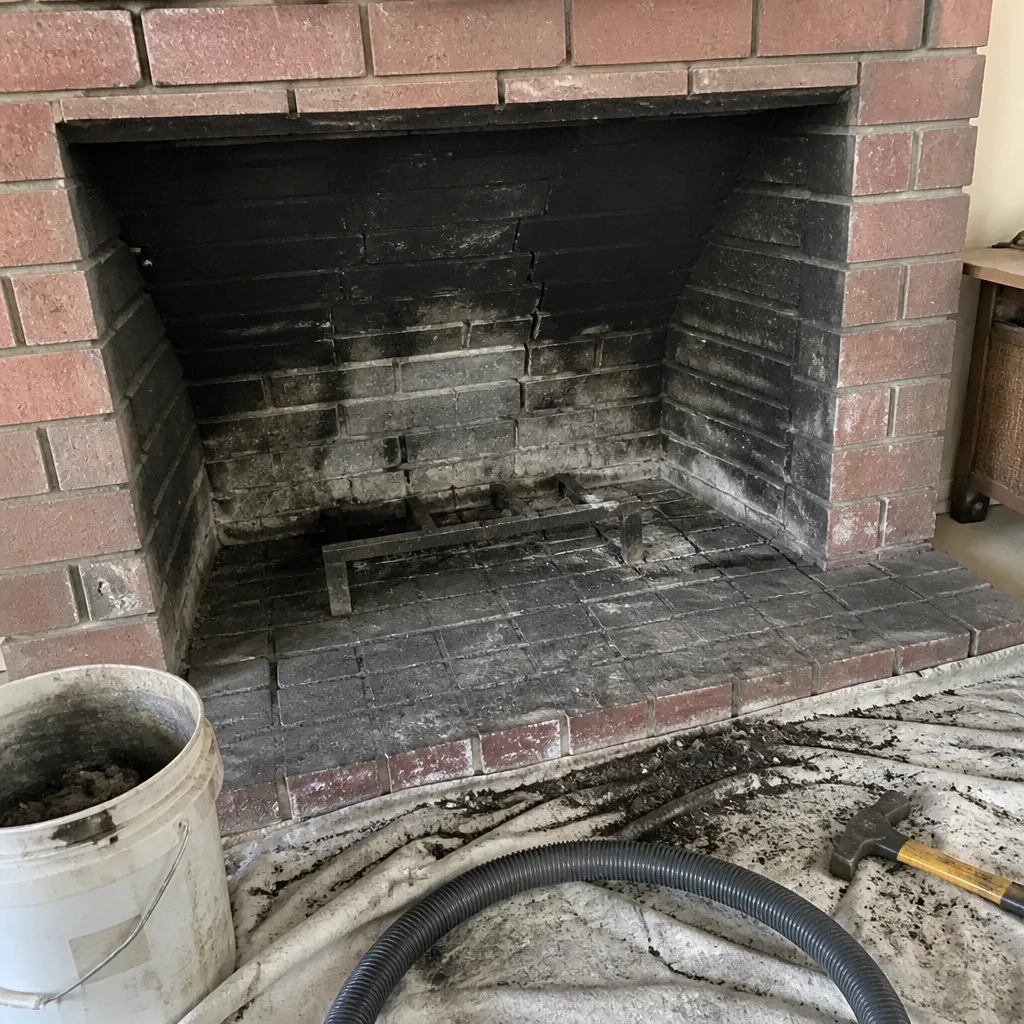 Before
 After
 Before
 After
When to Call a Professional
Some chimney problems are worth a look before you light a fire. If your fireplace smells strongly of smoke when it’s not in use, that’s a sign the flue isn’t drafting correctly and needs inspection. If you see water staining on the ceiling near the chimney, or notice crumbled mortar on the roof around the crown, the chimney needs evaluation before the next burn. If smoke rolls back into the room when you start a fire, or if you smell a creosote odor that lingers after a burn, a camera inspection should come before you burn again. And if you haven’t had the chimney swept in the last couple of seasons, or you’ve just moved into a Garden Grove home with a wood-burning fireplace you’re not sure of the history of, the safest first step is a documented inspection. The local pro is licensed and insured as their state requires, and Garden Grove Chimney Sweep offers free estimates in Garden Grove. Call (877) 492-3690 and we’ll book you in.
Frequently Asked Questions
There is no single best brand because the right choice depends on your flue’s material, shape, and condition. Professional-grade options from Rutland, Midwest Hearth, and Haven for brushes and rods, combined with HeatShield or DuraFlex for repairs where needed, cover the full range of residential chimneys in Garden Grove. The key is that your contractor sizes the tooling to your specific flue rather than using a universal brush. Call (877) 492-3690 for a free estimate and we’ll tell you what your chimney actually needs.
Yes, but only as a supplement to mechanical cleaning, not a replacement. Products like Anti-Creo-Soot and Rutland’s creosote remover chemically soften creosote so a sweep can remove it more effectively. They help most when used between annual sweeps as part of a maintenance routine. They will not remove existing soot and creosote on their own, and heavy glaze usually needs professional mechanical removal or relining. Call (877) 492-3690 for a free estimate if you’re not sure which stage your flue is in.
Stainless steel is the longer-lived choice for Garden Grove’s climate. Galvanized caps cost less up front but rust at seams and fasteners sooner, and they typically need replacement before a stainless cap does. If you’re already having a chimney capped, the additional life of stainless is worth the difference. Call (877) 492-3690 for a free estimate on cap and crown work.
Yes, if the masonry shows signs of moisture intrusion or if you want to protect it from future water damage. The key is using a vapor-permeable sealer like the ChimneySaver approach, which lets moisture escape from inside the masonry while blocking liquid water at the surface. Standard film-forming sealers trap moisture and accelerate spalling. Call (877) 492-3690 for a free estimate on waterproofing and masonry repair.
Ask specifically which brushes, rods, and inspection equipment they’re using, and what brush size they’ve selected for your flue. A prepared contractor will have a specific answer. Ask which cap and damper brands they install and why they choose stainless over galvanized. Ask whether they use HeatShield or DuraFlex for repairs. A contractor who works with these products regularly will explain them without hedging. Call (877) 492-3690 for a free estimate and we’ll walk you through every material choice.
Many deteriorating flues can be restored with HeatShield resurfacing rather than a full reline, which saves cost and preserves the original structure. The condition of the flue tiles and the extent of the damage determine which option is right, and a camera inspection tells the difference. We’ll show you what we found and recommend the appropriate option for the evidence. Call (877) 492-3690 for a free estimate and a clear recommendation.
The Bottom Line
The chimney cleaning brand your contractor uses is a direct signal of their commitment to doing the work correctly. Professional-grade brushes, rods, and inspection equipment from makers like Rutland, Midwest Hearth, and Haven differ from hardware store alternatives in ways that translate into a cleaner flue and a safer home. Chemical creosote treatments help between sweeps but never replace mechanical cleaning. Cap, damper, and waterproofing choices should be made for material grade and vapor permeability, not for the lowest price on the shelf. When repair is needed, HeatShield and DuraFlex open options that preserve the original structure. Garden Grove Chimney Sweep works with these professional brands and performs all five core services in-house, so every stage of your chimney’s life is covered without a referral out. Our technicians have up to 13 years of experience, and we’ll show you what we found before recommending anything.
We answer 24/7. Fast dispatch from 7am to 7pm, Sunday through Friday. Call (877) 492-3690 for a free estimate on chimney sweeping, inspection, repair, fireplace repair, or cap and crown work in Garden Grove.
Written by the team at Garden Grove Chimney Sweep.