
Last updated November 23, 2026
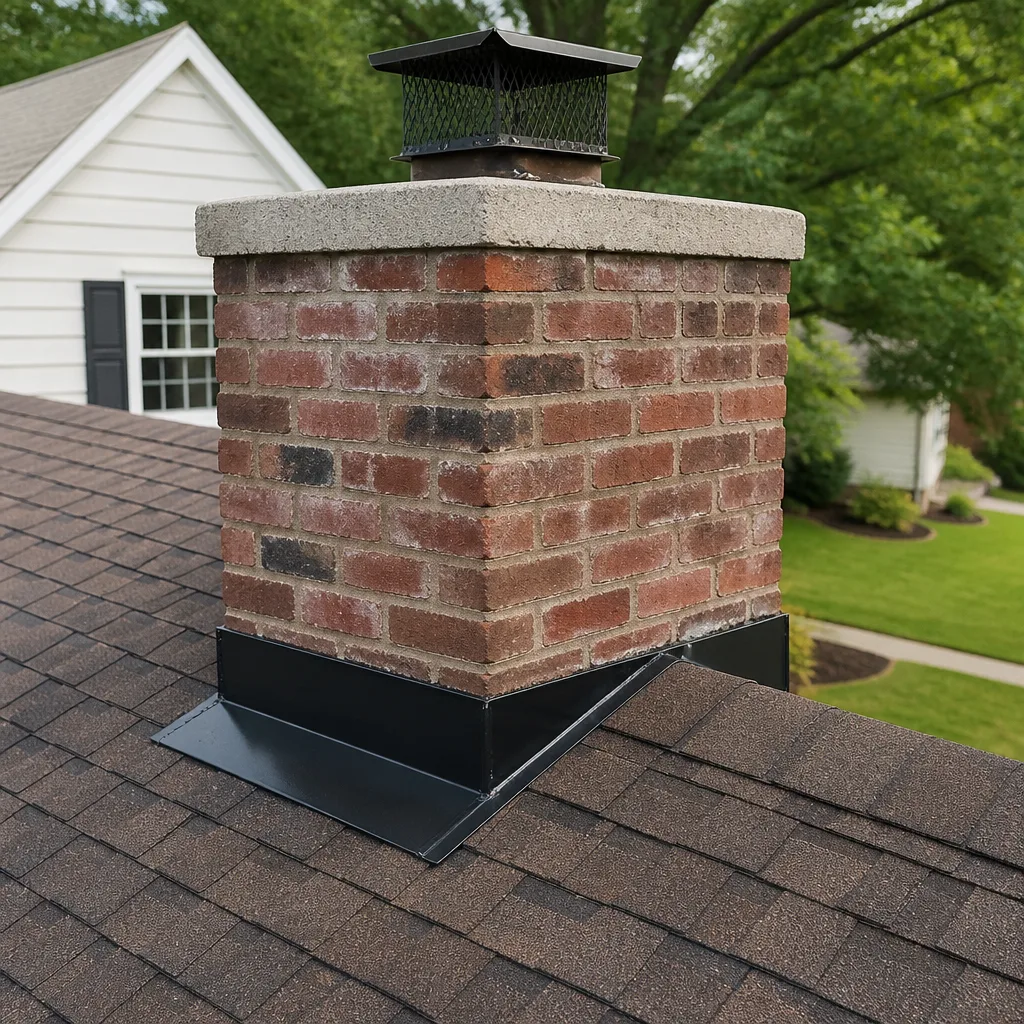 Sweep & inspection
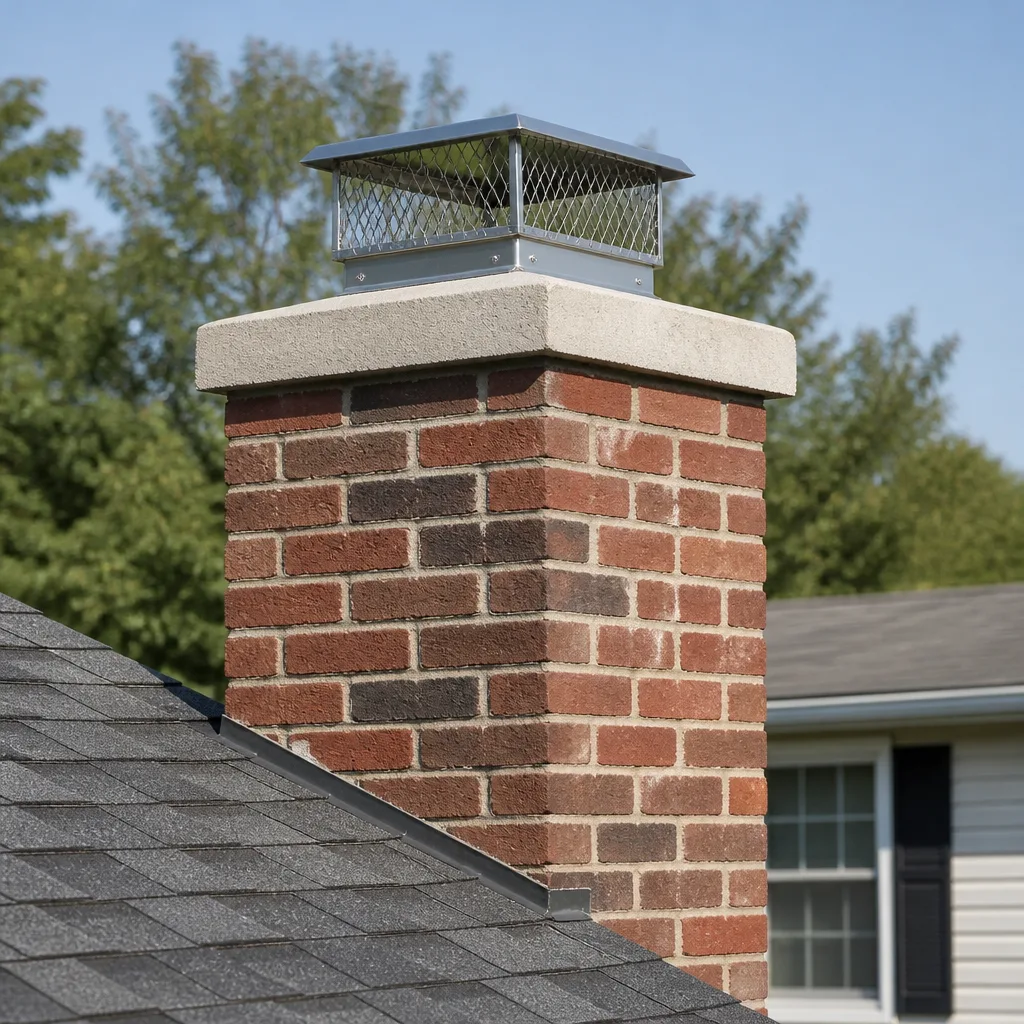 Caps & crowns
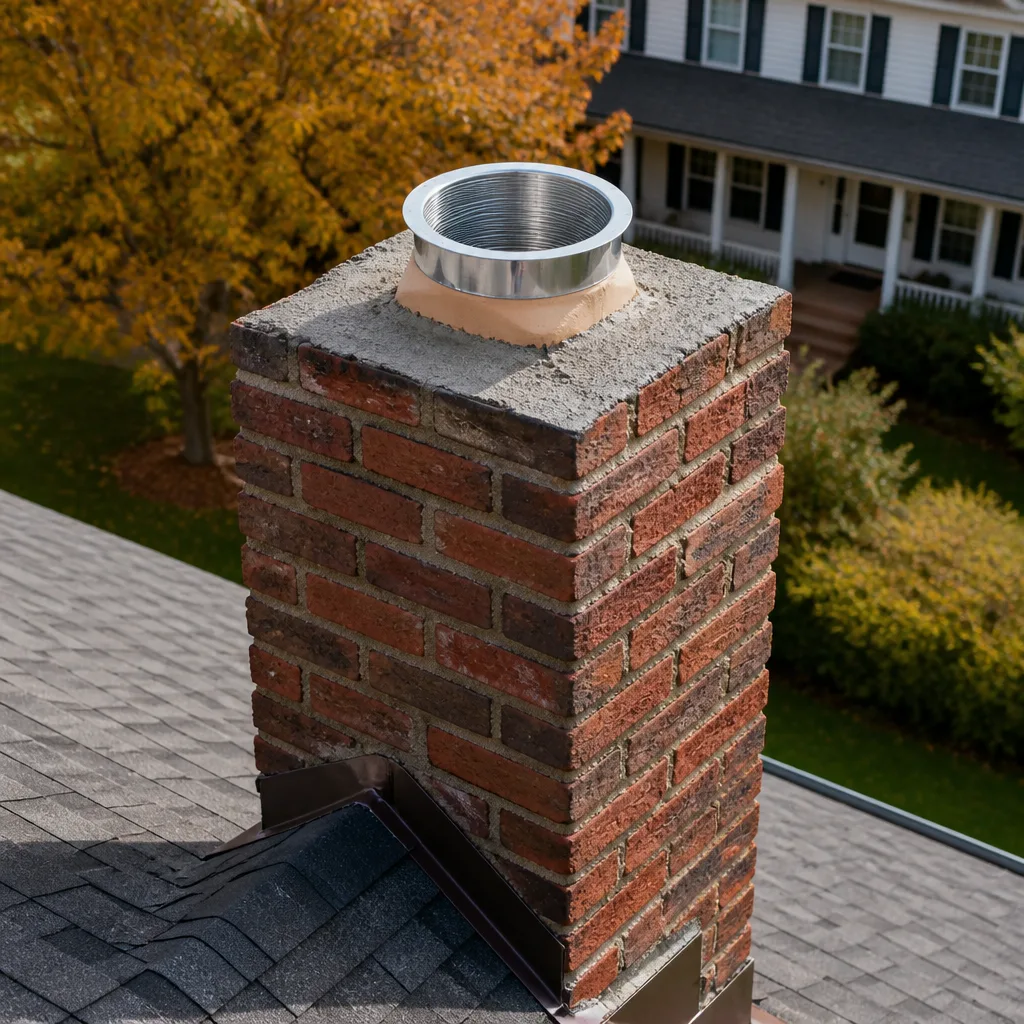 Flue relining
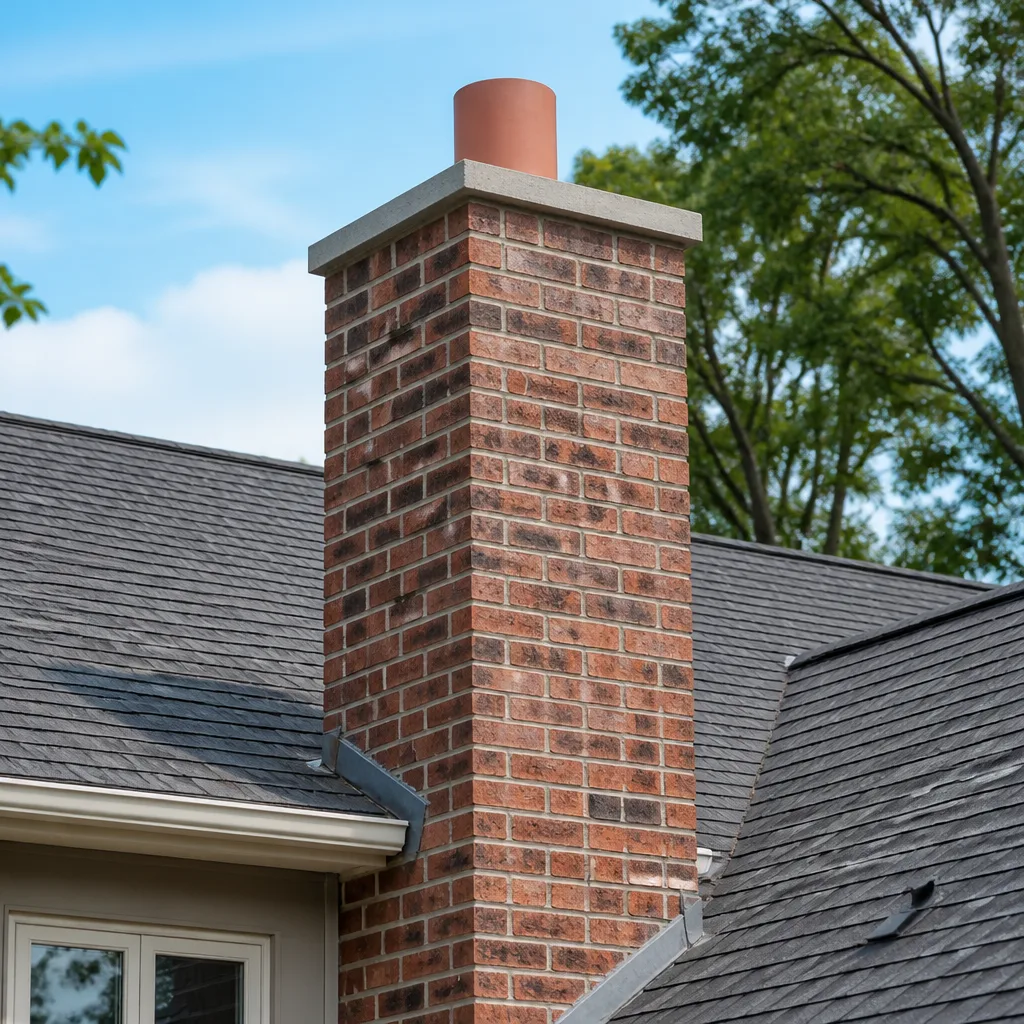 Masonry repair
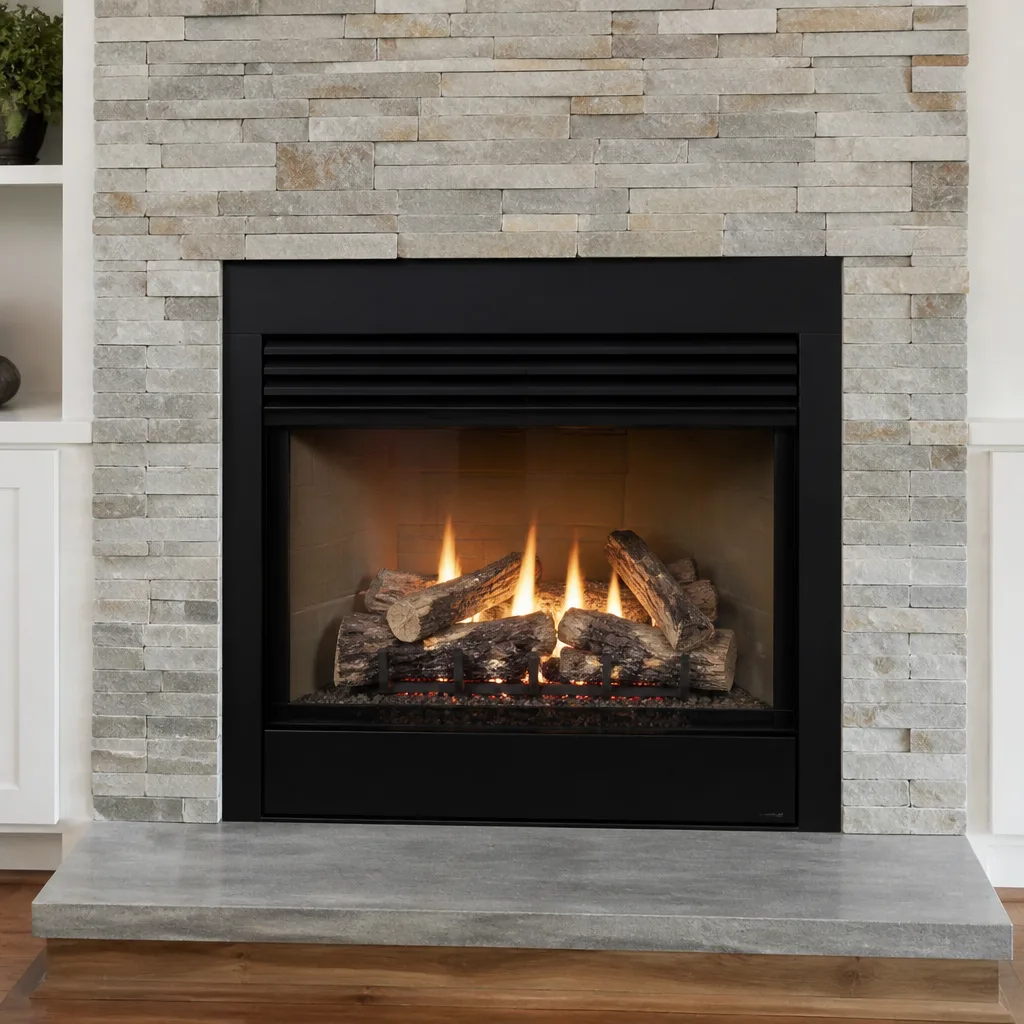 Gas fireplace service
Level 1 sweep and inspection to the NFPA 211 annual standard - flue, crown, cap, and flashing checked and photographed
Chimney sweep logs do not sweep chimneys. They loosen some creosote - which then falls where a brush and vacuum still have to collect it.
DIY vs Professional Chimney Cleaning: The Garden Grove Homeowner’s Decision Guide
Most homeowners who ask about DIY chimney cleaning are thinking about the wrong problem. They picture a brush, a ladder, and a bit of soot, and they wonder whether the money saved is worth an afternoon of dirty work. A brush kit from a home improvement store will, in fact, remove loose soot from a straight flue. What it won’t do is tell you the creosote in your flue has reached the glazed stage where brushing alone won’t touch it, that a flue tile has cracked behind the smoke chamber, or that an offset in the flue is trapping debris above the brush’s reach. Those are the conditions that cause chimney fires. This Garden Grove guide draws a precise line between what a careful homeowner can safely check and what genuinely belongs in trained hands.
Quick Answer
A prepared homeowner can safely perform ground-level visual checks, cap inspections from the ground, and damper operation tests. Full flue cleaning, creosote staging, liner assessment, and any work involving a roof or a firebox in active use should be done by a trained professional. In Garden Grove’s older housing stock, the risk of a hidden problem going unnoticed is higher than in newer construction, which makes professional cleaning and inspection the safer default.
- Safe for most homeowners: Ground-level visual inspection, damper testing, exterior cap and crown checks
- Belongs in professional hands: Flue brushing, creosote staging, liner evaluation, repair recommendations
- Never DIY: Anything on the roof, glazed creosote removal, structural assessment
Styles & brands we work with
- Sweep & inspection
- Caps & crowns
- Flue relining
- Masonry repair
- Gas fireplace service
Table of Contents
- What a Real DIY Chimney Cleaning Attempt Actually Requires
- The Chimney Conditions That Make DIY Cleaning Unsafe
- Why Garden Grove’s Older Homes Raise the Stakes
- What You Can Genuinely Do Without Risk
- California Liability: The Documentation You Don’t Have After DIY
- Cost Comparison: DIY vs Professional in Garden Grove
- Step-by-Step: How a Professional Chimney Cleaning Actually Goes
- Common Mistakes to Avoid
- When to Call a Professional
- Frequently Asked Questions
What a Real DIY Chimney Cleaning Attempt Actually Requires
The YouTube version of chimney cleaning shows a homeowner pushing a brush up a firebox and pulling out some soot. That’s not what a proper cleaning involves, and it’s not what the equipment list actually looks like once you account for the safety and cleanliness side of the job. Here’s the honest kit for a DIY attempt that doesn’t leave soot through the house or miss the parts of the flue that matter most.
The Full Equipment List a Serious DIY Attempt Needs
- A HEPA-filter shop vacuum rated for fine soot. Standard shop vacs will blow fine soot particles through the exhaust and coat every surface in the room. A HEPA unit is not optional if you want the room usable afterward.
- Correctly sized chimney brushes. Brush diameter has to match the flue’s inside dimension within a small margin. Too small and you leave a soot ring; too large and you can jam the brush or damage a tile.
- An inspection mirror and a bright light. You need to look above the firebox and beyond the damper to see what the brush missed and to check tile condition.
- Flexible rods of the right stiffness. Cheap fiberglass rods snap or whip inside an offset flue.
- Drop cloths, painter’s plastic, and tape. Soot containment is half the job.
- Respirators and gloves. Creosote and soot are respiratory irritants, and a dust mask isn’t enough.
- A ladder rated for roof access. Most cleanings require getting to the top of the flue, and this is where most DIY risk actually sits.
A realistic spend for a first-time DIY kit is several times what most homeowners expect to spend when they decide to try it. The brushes, rods, HEPA vacuum, safety gear, and roof-rated ladder add up quickly. Once you factor in the hours and the soot risk, the savings over a professional chimney sweep are much thinner than the price differential suggests. And none of that equipment tells you whether the flue is safe after you’ve removed the soot, which is the more important question.
What the equipment can’t answer is everything an inspection answers. You’ll know the flue is cleaner. You won’t know whether a tile cracked the last time the flue got hot, whether the smoke chamber parging is intact, or whether the creosote up top is glazed and beyond brushing. That gap is where DIY chimney cleaning stops being a cost-saving exercise and becomes a safety question.
The Chimney Conditions That Make DIY Cleaning Unsafe
Not every chimney is a candidate for professional intervention. A straight flue burning dry, seasoned wood with a light soot load can be brushed by a prepared DIY-er without much drama. The problem is you can’t tell which flue you have until you’re looking at it with the right knowledge, and several conditions shift the job from routine to genuinely dangerous.
Stage-2 and Stage-3 Creosote
Creosote forms in three stages. Stage 1 is flaky soot that a brush handles easily. Stage 2 is a crusty, tar-like deposit that a brush will not fully remove. Stage 3 is glazed, hardened creosote that looks like black glass and can ignite at a much lower temperature than the earlier stages. A homeowner brushing a stage-2 or stage-3 flue is both leaving dangerous material behind and, in some cases, grinding it into the tile surface. Professional sweeps use rotary tools, chemical treatments, or a combination to remove glazed creosote safely. Brushing it by hand isn’t’ a cleaning; it’s a surface scrape.
Damaged or Cracked Flue Tiles
Original clay tile liners in older homes develop hairline cracks from repeated heating and cooling cycles. A brush pushed too aggressively against a compromised tile can dislodge a chunk. More importantly, a homeowner without a camera or the training to interpret what they see can miss a crack entirely. A cracked tile allows heat and carbon monoxide to reach the wood framing around the chimney. That’s the pathway that turns a small chimney fire into a house fire.
Offset and Non-Straight Flues
Many mid-century homes in Garden Grove have flues that jog to one side as they pass a second-floor framing member. A straight brush from the top goes down until it stops. A homeowner assumes the job is done. What’s actually happening is the brush is sitting above the offset while a pile of creosote sits below it, waiting. Professional sweeps use flexible rods, and in difficult offsets, cameras, to confirm the flue is clean through the whole run. Our technicians have up to 13 years of experience and have worked through enough offsets to know when a brush is stuck above a blockage rather than at the bottom of the flue.
Smoke Chamber Damage
The smoke chamber, the sloped area above the damper and below the flue, is where a lot of hidden problems live. It’s rough-parged on older chimneys, which catches creosote. A DIY cleaning typically skips this zone entirely because it’s’ hard to access without the right tools. That’s a real hazard posing as an inaccessible area.
Why Garden Grove’s Older Homes Raise the Stakes
Garden Grove’s housing stock is largely built between the 1950s and the 1970s, and that date range matters for chimney work in ways that aren’t’ obvious from the street. Homes from this era were typically built with single-wythe clay tile liners, mortar mixes that have had decades to weather, and interior flue dimensions that don’t’ follow modern standards.
Original Clay Tile Liners
Clay tile was the standard liner material in this era, and most original liners are still in place. Clay tiles are durable but brittle. They tolerate routine use well, but they crack at the joints when the flue sees a hot fire or when a chimney has been used heavily without regular cleaning. After sixty or seventy years, the chances that a Garden Grove flue still has all its original tiles intact without any cracking are not high. The only way to know is to look, and looking means a proper inspection.
Aging Mortar
The mortar joints between tiles erode over time. When a joint fails, the tiles can shift, and the gap between them becomes a path for creosote to reach the outer shell. A homeowner won’t see this from the firebox. A camera inspection will.
Non-Standard Dimensions
Mid-century flues were built to dimensions that don’t always match the standard brush sizes sold at home improvement stores. A brush that’s “close enough” either doesn’t clean fully or jams. A professional sweep sizes the brush to the actual flue dimensions, which for older Garden Grove homes often means a custom or nonstandard brush size.
- 1950s construction: Often single-wythe tile with thin mortar and straight flues but shallow fireboxes
- 1960s construction: More common to find offset flues and rougher smoke chamber parging
- 1970s construction: Mix of masonry and early prefabricated units, both now past their typical design life
None of this means every older Garden Grove chimney is dangerous. It means the probability that a DIY cleaning will miss a real problem is higher in a 1960s Garden Grove home than in a home built to current standards. That’s a capability argument, not a fear pitch. Chimney repair work on these homes is routine for us, and the things we find are almost always things the homeowner couldn’t’ have seen without the right tools.
What You Can Genuinely Do Without Risk
We’re not going to tell you that every chimney task requires a professional. There’s’ a real list of things a careful homeowner can and should do between professional visits. These tasks help you flag when something has changed so you can call sooner rather than later.
What a Homeowner Can Safely Do
- Ground-level visual inspection. Walk outside and look at the chimney from the yard. Check whether the crown (the concrete top) is cracked, whether there’s’ visible staining on the exterior masonry, and whether the cap is sitting level.
- Cap inspection from the ground. A chimney cap should sit level, allow smoke to escape, and keep rain and animals out. A cap that’s been pushed sideways by wind or a bird is visible from the ground. If your cap is damaged or missing, this is worth fixing before your next fire. Our Garden Grove Chimney Sweep team installs caps and crowns as a standalone service because protecting the structure is part of the job.
- Damper operation testing. Open and close the damper from inside the firebox. It should move freely and sit flush when closed. A damper that sticks or won’t’ fully close is a sign to call.
- Firebox visual check. Look at the brickwork inside the firebox. Hairline cracks in the firebrick are normal. Missing mortar between firebricks, or chunks of brick out of place, are not.
- Smoke test on a cold firebox. On a cold day, light a small piece of paper in the firebox. If smoke rolls into the room instead of going up the flue, the draft is compromised. Stop and call.
What to Leave Alone
- Roof access. The single biggest source of DIY chimney injuries is the ladder work, not the flue work. Leave it.
- Creosote removal beyond light soot. If you can see crusty or glazed deposits, that’s’ a job for professional equipment.
- Anything above the damper. You can’t’ assess or clean what you can’t’ see.
- Liners and structural repair. Neither is a DIY category.
California Liability: The Documentation You Don’t Have After DIY
Here’s a side of the DIY conversation that almost never gets discussed, and it matters more in California than most homeowners realize. When a chimney fire happens, insurance carriers and investigators want to know what the chimney’s’ service history looked like. A professional cleaning produces a record. A DIY cleaning doesn’t’.
What a Professional Cleaning Documents
A proper chimney inspection and sweep generates a written record of what was found, what was cleaned, and what condition the flue, damper, smoke chamber, and cap were in at the time of service. If a fire happens later, that record is what answers the question of whether the chimney was being maintained. Without it, the homeowner is relying on their memory of when they last ran a brush up the flue, and that memory is not a document.
What You’re Actually Missing
- A baseline of flue condition. No record of what the tiles, joints, and smoke chamber looked like before the fire.
- Evidence of maintenance. No documented cleaning interval to show the chimney was being kept up.
- Photographic evidence. No photos of the flue before and after service.
- A written scope of work. No document showing what was cleaned, what wasn’t’, and why.
We’re not telling you that your homeowner’s policy will deny a claim because you cleaned your own chimney. Insurance claims depend on the policy language, the specific facts, and the carrier’s investigation. What we are saying is that a professional cleaning creates a paper trail that a DIY cleaning doesn’t’, and that paper trail has real value when a fire investigation or a claim is on the line. That documentation is part of what you’re paying for when you book a professional chimney sweep.
Cost Comparison: DIY vs Professional in Garden Grove
The cost question is where most homeowners start, and it’s’ worth answering honestly. DIY looks cheaper on the surface, but once you count the full kit, the time, and the risk of missing something important, the gap narrows. Here’s the realistic breakdown using typical job estimates.
DIY Equipment and Realistic Costs
- HEPA shop vacuum: A soot-rated unit that won’t’ blow fines through the exhaust. Budget for a real one, not a standard shop vac.
- Chimney brush set: Sizes vary by flue, and most homes need at least one correctly sized brush.
- Flexible rods: Enough length to reach the top of the flue from the firebox or to work from the roof.
- Roof-rated ladder: The item most homeowners don’t’ own and shouldn’t’ buy just for one cleaning.
- Respirator, gloves, drop cloths: Small line items that add up.
- Time and cleanup: The hours, plus the soot that ends up on things you didn’t’ cover.
Professional Cleaning in Garden Grove
A professional sweep and inspection in Garden Grove is priced per job by a written estimate, typically ranging from basic sweep pricing up through more involved cleanings on flues with heavier creosote or offsets. A camera inspection and photo report are part of what we include, so you see exactly what we found before any repair is discussed. The estimate is free and the final price is set by the written estimate, so there are no surprises when the invoice comes.
| Item | DIY Approach | Professional Approach |
|---|---|---|
| Equipment upfront | Higher than expected once the full kit is assembled | No upfront equipment cost |
| Time invested | Several hours plus cleanup | Booked appointment |
| Flue condition assessment | Not included | Camera inspection and photo report included |
| Creosote staging | Not assessed | Assessed and addressed |
| Documentation | None | Written record of service and condition |
| Safety on roof | Homeowner’s responsibility | Handled by trained technicians |
The honest comparison isn’t’ brush cost versus sweep cost. It’s’ brush cost plus risk plus missing documentation versus a booked service that includes an inspection and a record. For a Garden Grove home built in the 1960s, the second column is what actually protects the house.
Step-by-Step: How a Professional Chimney Cleaning Actually Goes
If you’ve never watched a professional cleaning, this is what the process looks like. Knowing the steps also helps you evaluate any quote you get, because a cheap quote that skips steps isn’t’ a bargain.
- Interior protection. Drop cloths and plastic go down before any equipment comes out. A professional cleaning should leave the room as clean as it found it.
- Pre-cleaning inspection. The technician looks at the firebox, damper, smoke chamber, and as much of the flue as is accessible before brushing begins. This establishes a baseline for what the cleaning needs to address.
- Creosote staging. The technician identifies whether the deposit is stage 1, 2, or 3 and adjusts the tools accordingly. A stage-3 flue doesn’t’ get a standard brush and a shrug.
- Camera inspection. A camera goes down the flue to check tile condition, joint integrity, offsets, and blockages. This is the step DIY never includes and the step that finds the problems that matter. We’ll’ show you what we found, on camera, before any repair is recommended.
- Brushing and cleaning. Brushes are sized to the flue dimension. The run is worked from the top down or firebox up depending on the configuration, with attention to offsets and the smoke chamber.
- Post-cleaning inspection. Another camera pass confirms the flue is clean and nothing was dislodged or damaged.
- Findings report. The technician walks the homeowner through what was found, what was cleaned, and whether any repair or protection work is recommended.
- Optional cap and crown review. Because cap and crown work is a primary service for us, not an upsell, this often gets addressed at the same visit when the condition warrants.
When a Garden Grove home needs relining, we use DuraFlex flexible liner systems because they handle offset configurations and complex runs that rigid liners can’t’. When the flue tiles are still sound but deteriorating, HeatShield resurfacing can restore them without a full liner replacement, which is the option most local sweeps aren’t’ equipped to offer. The point isn’t’ that every chimney needs this work. The point is that the inspection is what determines whether it does, and a trained technician knows the difference.
Common Mistakes to Avoid
- Assuming a brush kit is the whole job. A brush removes soot. It doesn’t’ assess the flue, stage the creosote, or tell you whether the chimney is safe. Homeowners who buy the kit and skip the inspection are often less safe than they were before, because they assume the job is done.
- Cleaning from the roof on a sloping or steep roof. Roof access is the biggest DIY risk in chimney work. If the roof pitch is anything but shallow and the access is questionable, this is the job to hand off.
- Burning unseasoned or green wood to “burn off” a dirty flue. Green wood produces more creosote, not less. A hot fire on a dirty flue doesn’t’ clean it; it can ignite it.
- Skipping the smoke chamber. The rough-parged area above the damper catches creosote and is invisible from the firebox. DIY cleaning routinely misses it, and it’s’ where a lot of chimney fires start.
- Replacing a cap with a cheap universal unit. A cap that’s undersized for the flue restricts draft; a cap that’s oversized lets rain in. On Garden Grove’s older flues, the fit matters more than the price tag.
- Assuming a newer-looking chimney is safe. A chimney can look pristine on the outside and have cracked tiles behind the brick. The exterior finish tells you nothing about the interior liner.
- Waiting until the first cold night to think about it. Chimney cleaning is seasonal work, and the run-up to burning season is when schedules fill. Getting the inspection done before you need the fireplace is easier than getting it done once the first cold weekend arrives.
When to Call a Professional
Any of these situations should put the brush down and pick up the phone. A strong draft of smoke into the room when you light a fire, visible creosote crust or glaze on the flue, a damper that won’t’ close, a cap that’s been damaged or displaced, a smell of smoke in the house when the fireplace isn’t’ burning, or any indication from a prior inspection that the flue tiles are compromised. If your home was built before 1980 and you’ve never had the flue inspected, that’s’ a call worth making regardless of what you can see. Our technicians have up to 13 years of experience and offer free estimates in Garden Grove. Call (877) 492-3690. We answer 24/7. Fast dispatch from 7am to 7pm, Sunday through Friday, and closed Saturday.
Frequently Asked Questions
You can safely clean light stage-1 soot from a straight flue with the right brush and a HEPA vacuum, but you cannot assess flue tile condition, stage creosote, or inspect above the damper without proper equipment and training. In Garden Grove’s older homes, the risk of missing a real problem is high enough that professional cleaning is the more sensible default.
The general rule is once a year for a chimney in regular use, and more often if you burn heavily or burn wood that hasn’t’ fully seasoned. A chimney that’s’ only used occasionally can sometimes stretch to a longer interval, but an annual inspection is still the minimum we recommend for Garden Grove homes. Call (877) 492-3690 to book a sweep and inspection.
Creosote accumulates in the flue with every fire. Stage-1 soot is manageable, but stage-2 crust and stage-3 glaze are highly flammable and can ignite at much lower temperatures than most homeowners expect. A chimney fire can damage the flue tiles and reach the framing around the chimney, which is why skipping cleaning isn’t’ a maintenance issue; it’s’ a safety issue.
A chimney sweep and inspection in Garden Grove is priced per job by a written estimate, with the estimate itself free. The final price depends on the flue condition, whether creosote is at stage 1 or higher, and whether offset work is needed. Call (877) 492-3690 for an exact quote and to book the appointment.
Not necessarily, and we won’t recommend one without camera evidence you can see for yourself. If the flue tiles are sound, HeatShield resurfacing can often restore them without full replacement. When a liner is genuinely needed, we use DuraFlex flexible liner systems because they handle the offset configurations common in Garden Grove homes. If the work can safely wait, we’ll’ tell you that too.
Yes. Our service covers the full chimney and fireplace lifecycle, from annual sweep and inspection through fireplace repair, chimney repair, and cap and crown installation. There’s’ no handoff to a separate contractor. Call (877) 492-3690 to discuss what your fireplace needs.
The Bottom Line
DIY chimney cleaning has a real but narrow place. Ground-level checks, damper testing, and cap inspection from the yard are reasonable homeowner tasks and worth doing between professional visits. Full flue cleaning, creosote staging, liner assessment, and anything above the roof belong with trained hands, especially in Garden Grove’s 1950s through 1970s housing stock where original clay tile liners and aging mortar make hidden problems more likely. The cost savings of DIY are smaller than they look once you count the full kit, and the documentation gap after a DIY cleaning is real. If you’re in Garden Grove and want a straight answer about your chimney’s condition, call (877) 492-3690. We answer 24/7. Fast dispatch from 7am to 7pm, Sunday through Friday. The estimate is free, and we’ll’ show you what we found.
Written by the team at Garden Grove Chimney Sweep.
See the difference
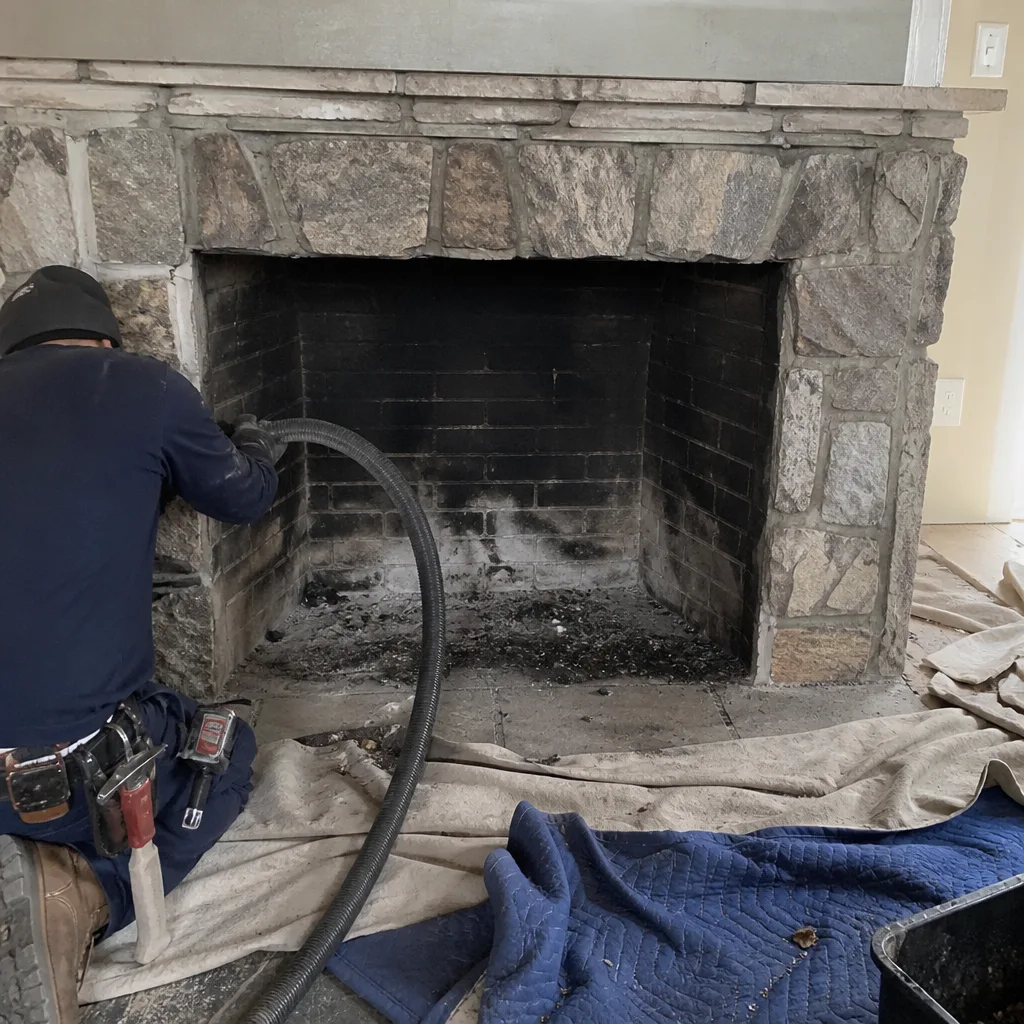 Before
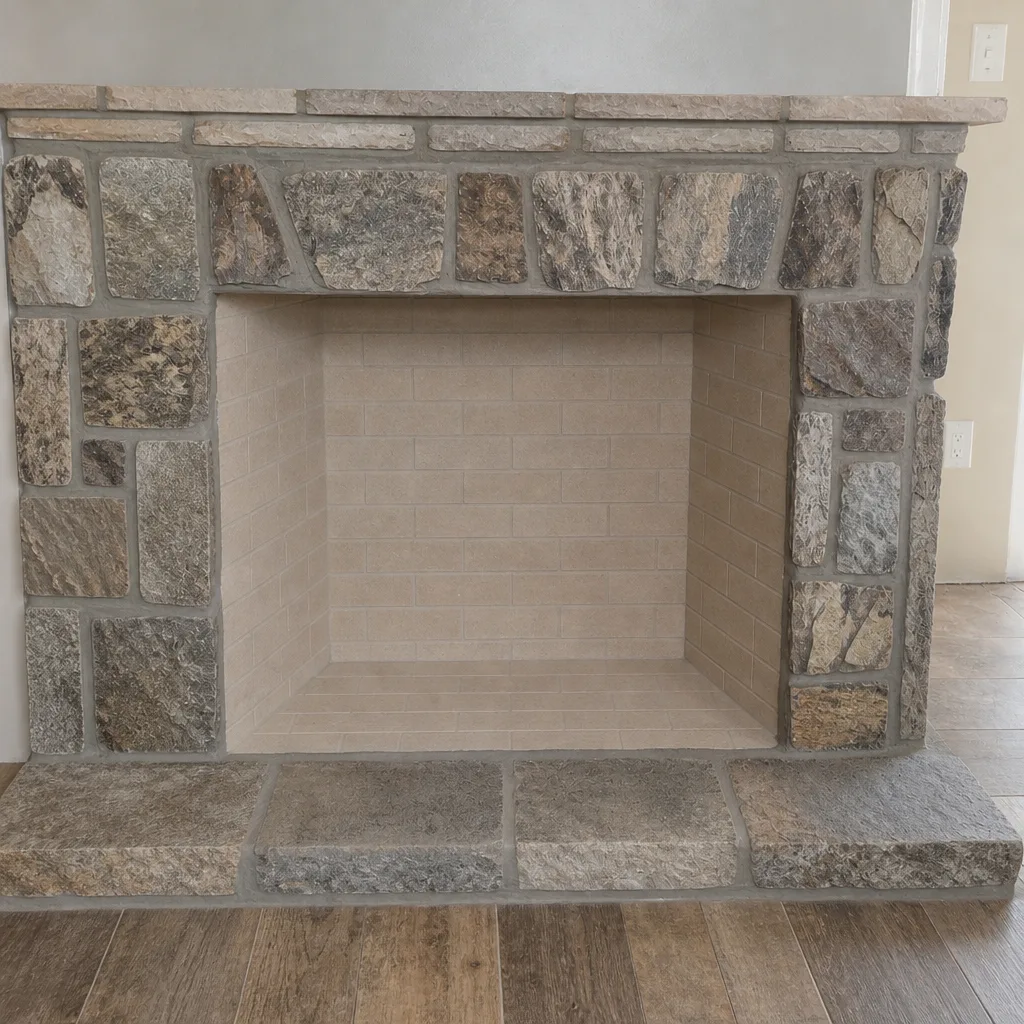 After
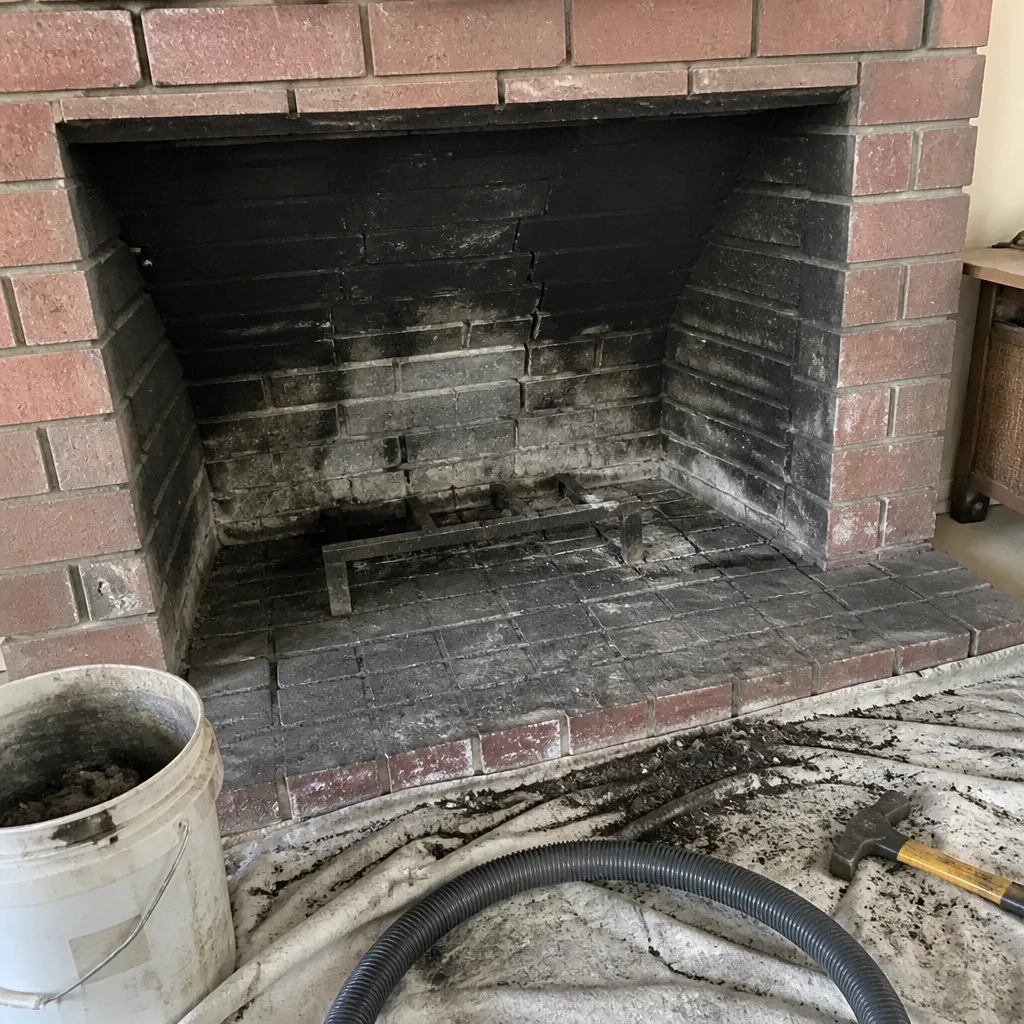 Before
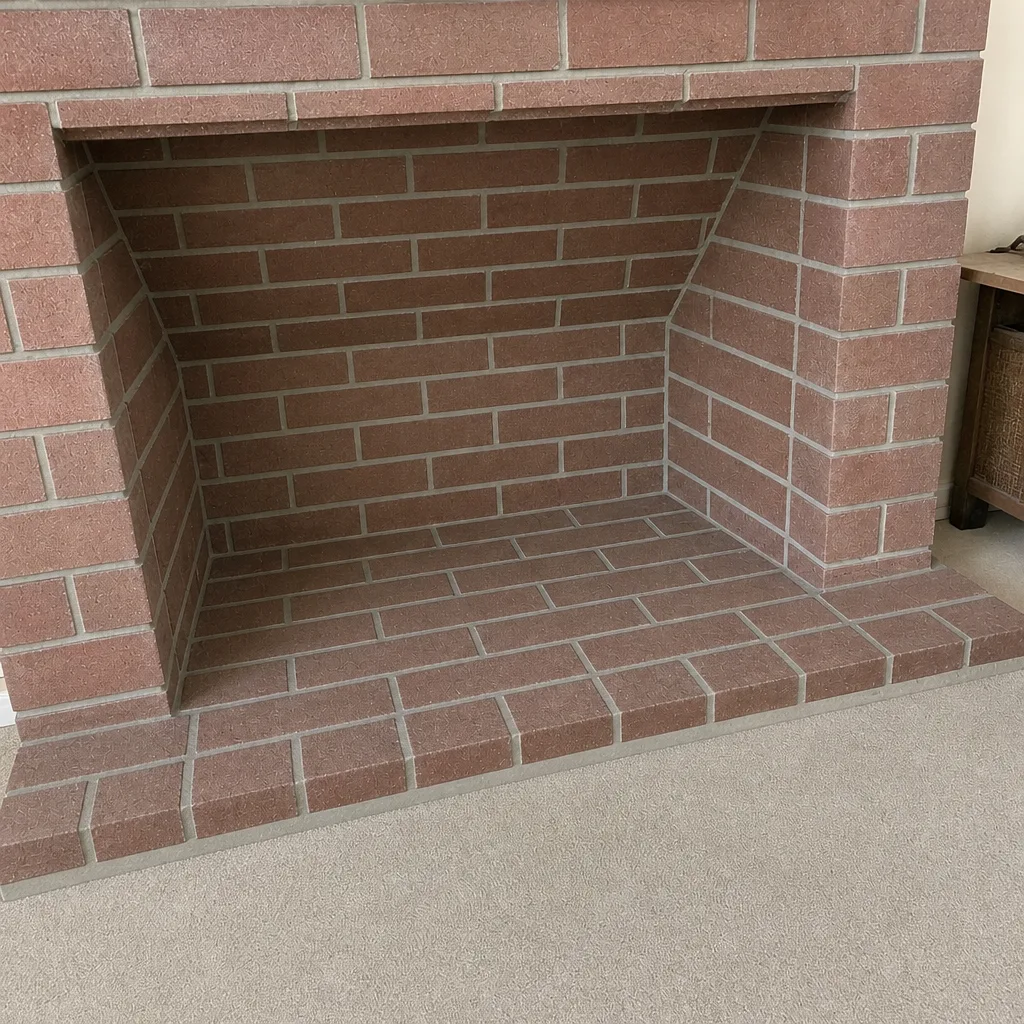 After
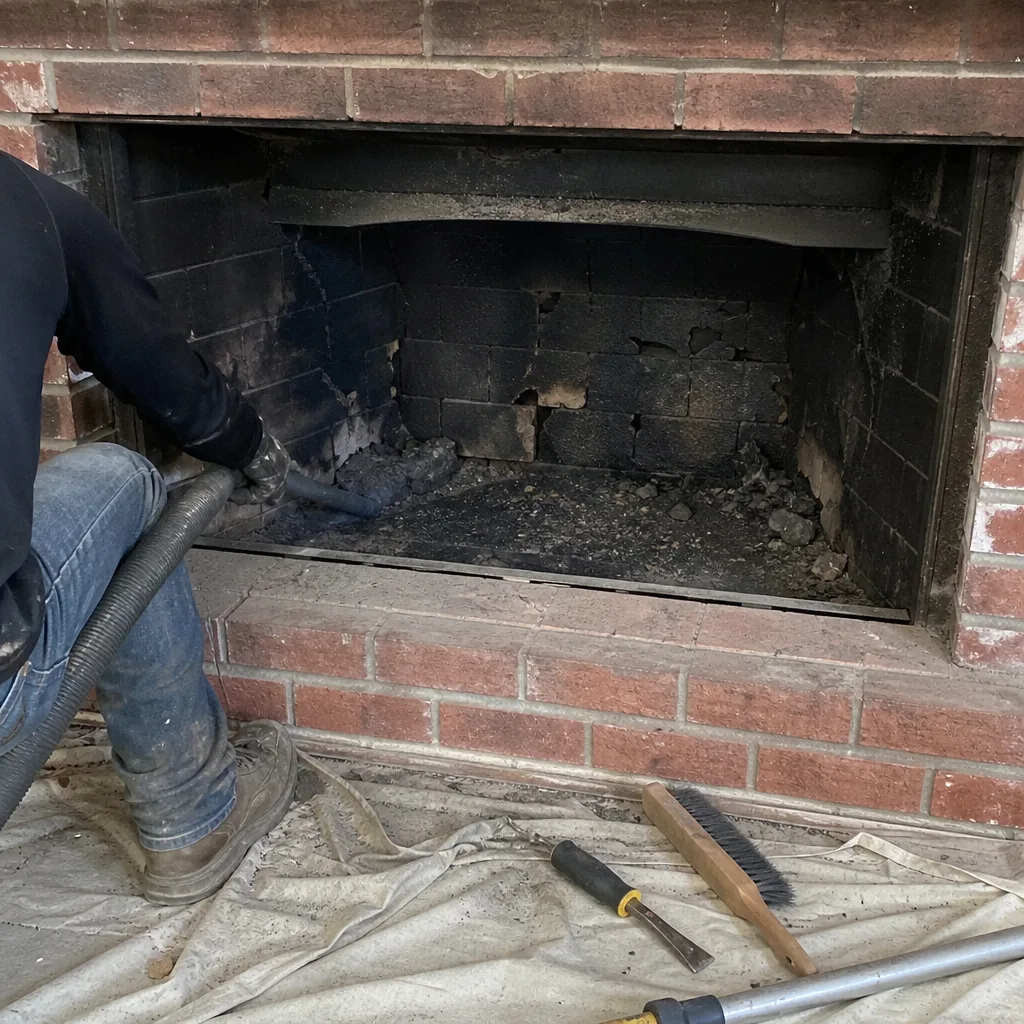 Before
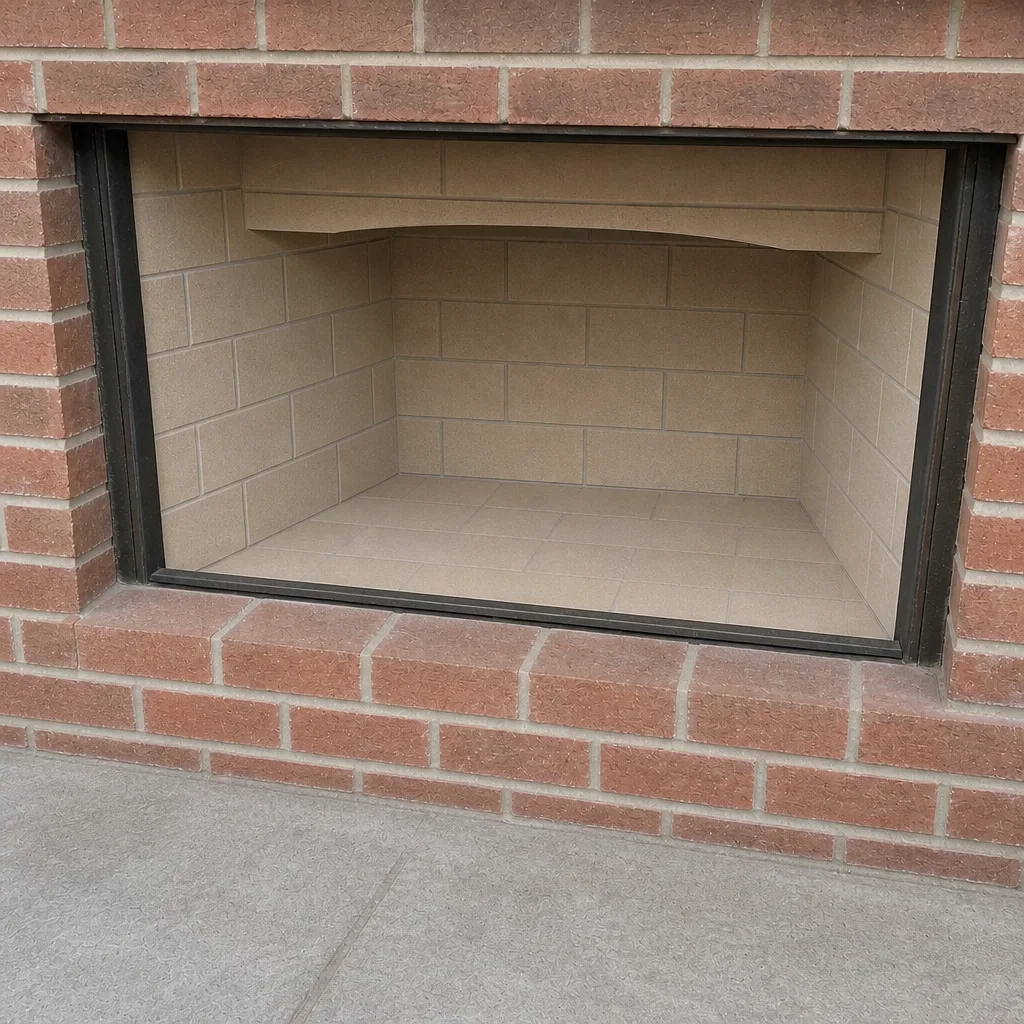 After