
Last updated November 23, 2026
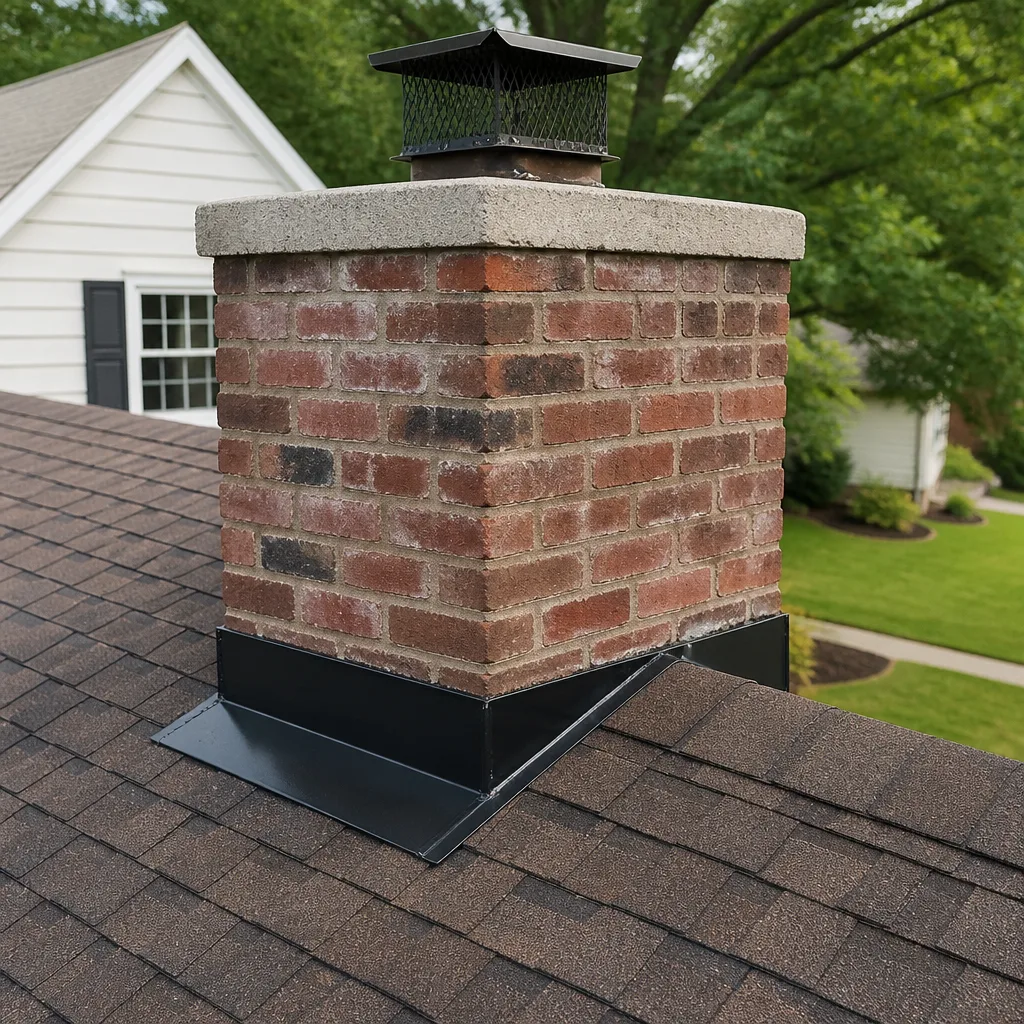 Sweep & inspection
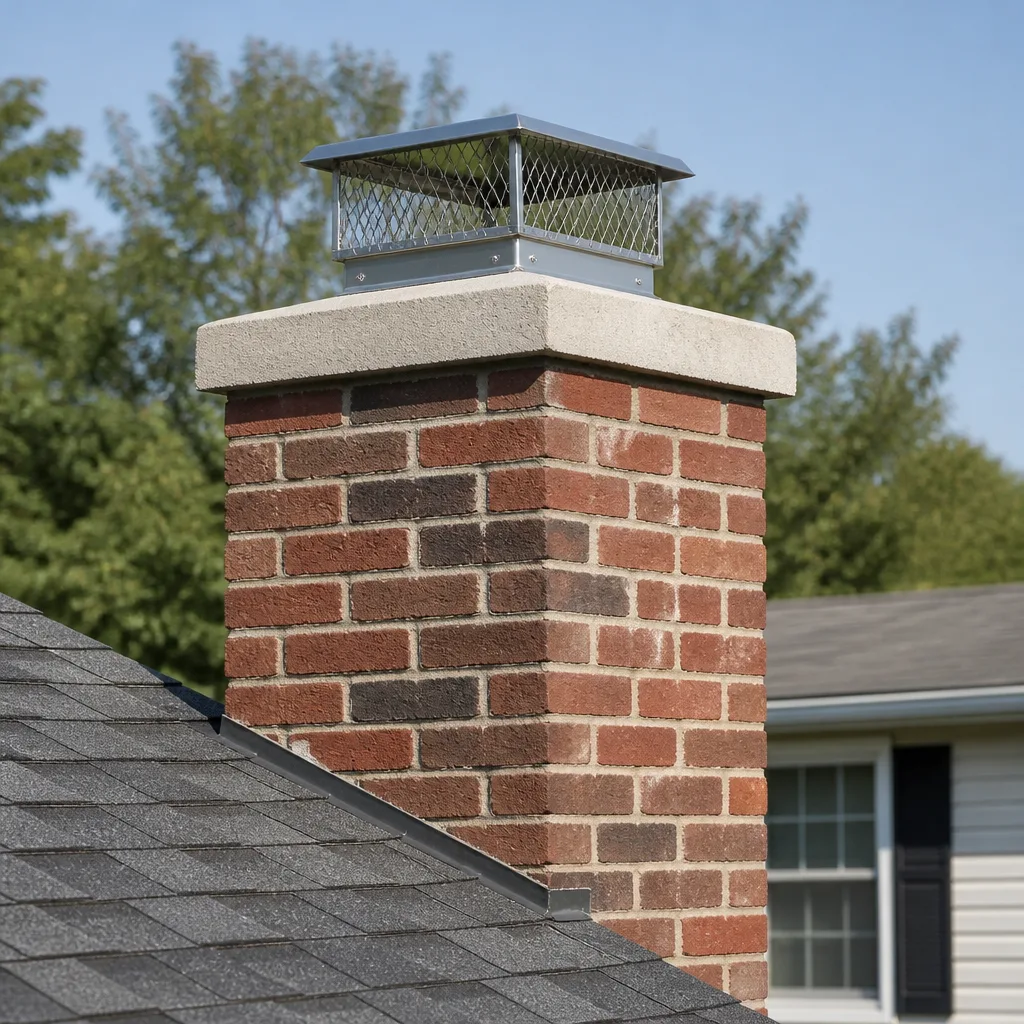 Caps & crowns
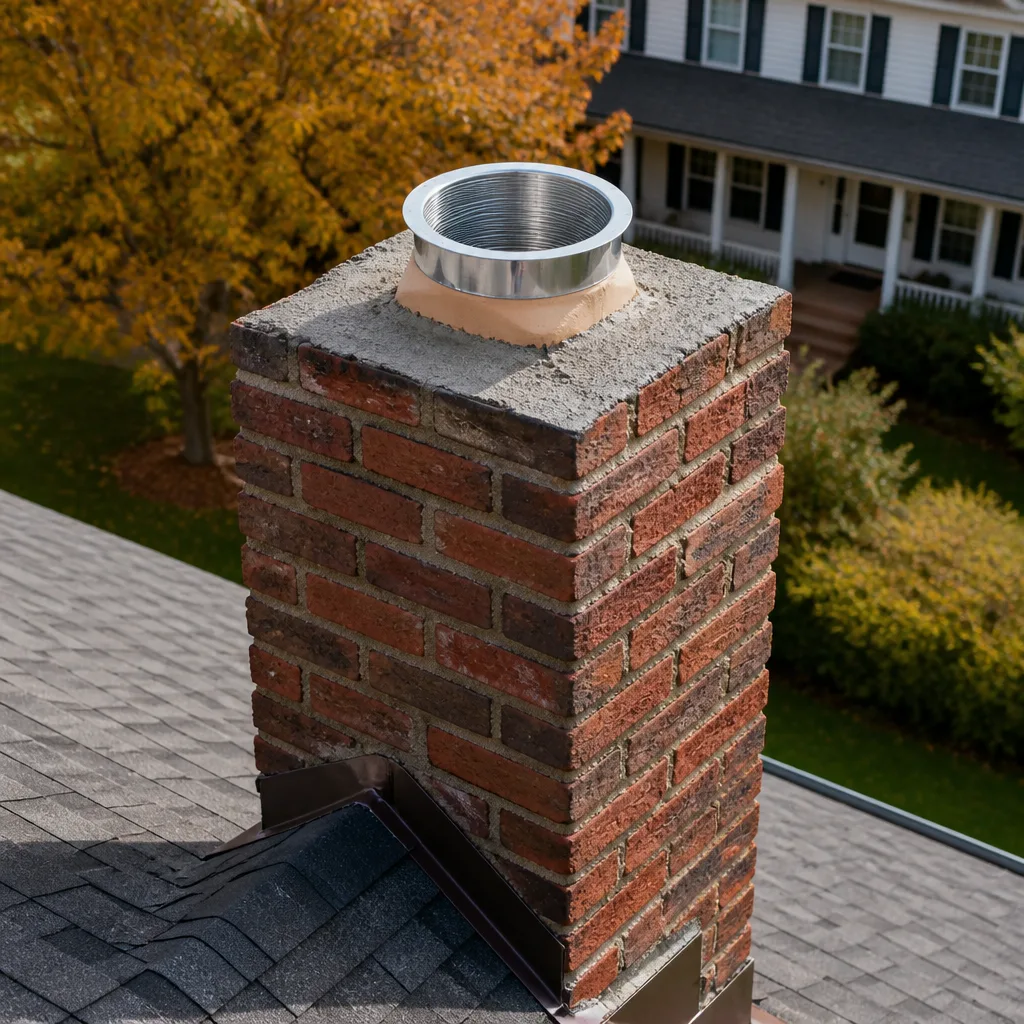 Flue relining
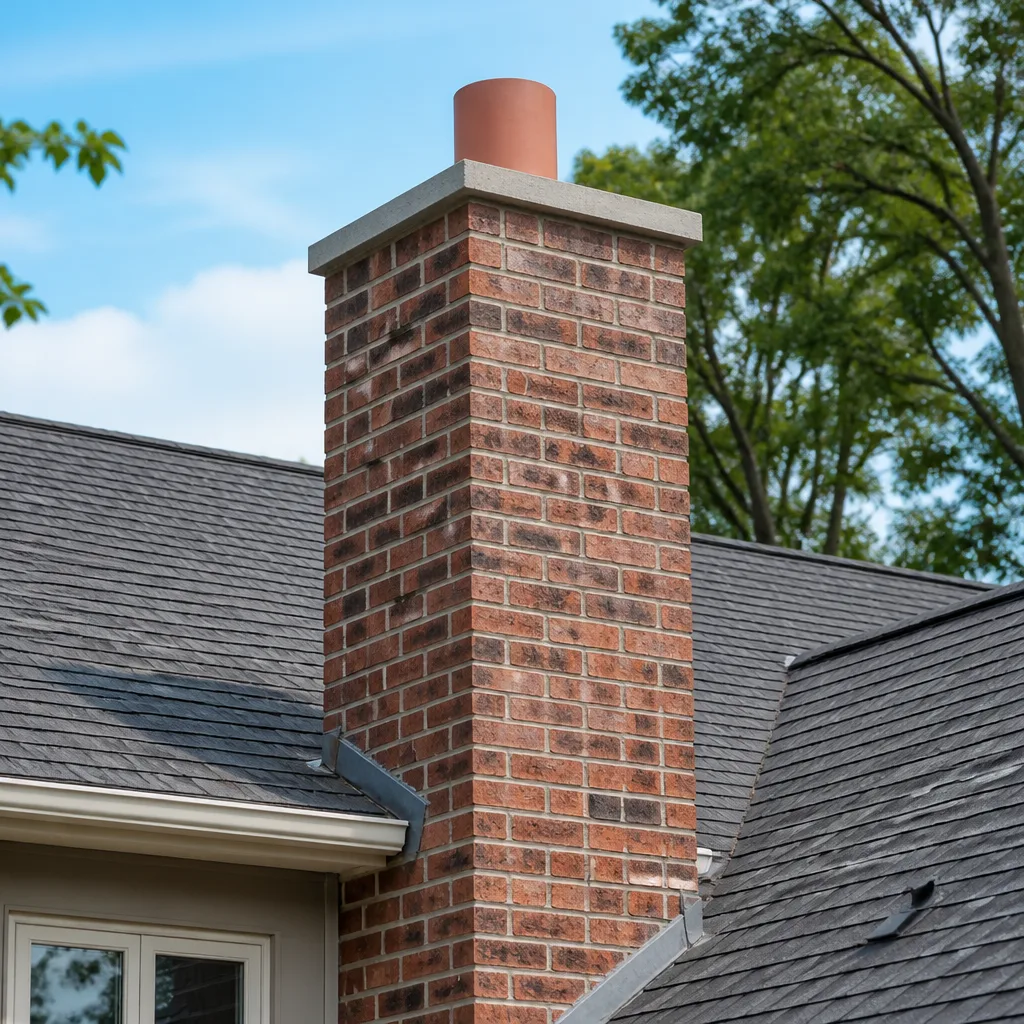 Masonry repair
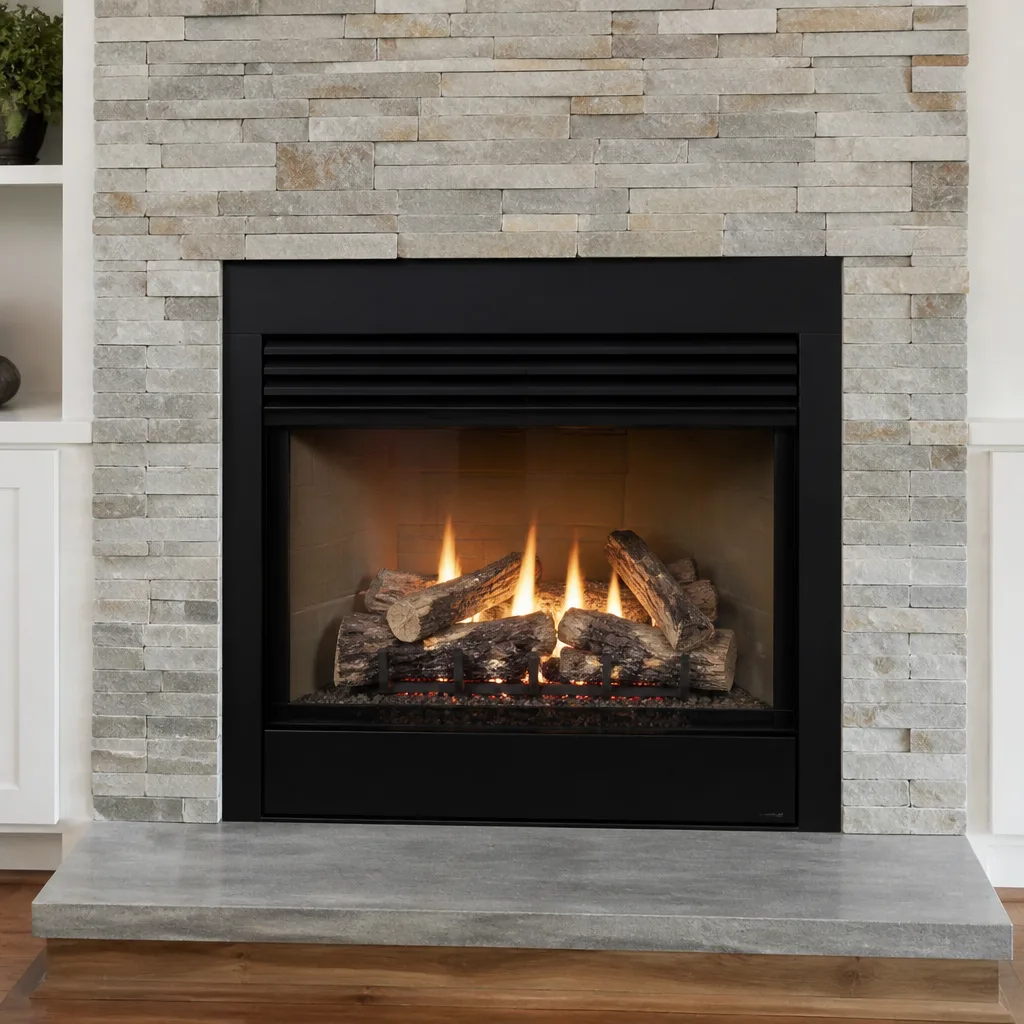 Gas fireplace service
Level 1 sweep and inspection to the NFPA 211 annual standard - flue, crown, cap, and flashing checked and photographed
Chimney sweep logs do not sweep chimneys. They loosen some creosote - which then falls where a brush and vacuum still have to collect it.
Chimney Sweep Maintenance Checklist for Garden Grove Homeowners
Most chimney checklists treat every fireplace the same, and that’s where homeowners get into trouble. Checking the wrong thing on a prefab fireplace can give you false confidence: a cracked firebox panel in a factory-built zero-clearance unit is a fire hazard that a masonry-focused checklist will never prompt you to look for. The reverse is just as true. A gas insert has no flue tile to inspect and no creosote to scrape, but it does have a venting system and a gasket that fail quietly. What follows is a maintenance checklist broken down by chimney type so you know exactly what to inspect in your Garden Grove home, when to do it, and which tasks are safe to handle yourself versus which ones need a trained eye.
Quick Answer
A chimney maintenance checklist for a Garden Grove home should be organized by system type: masonry wood-burning fireplaces, factory-built prefab units, and gas fireplace inserts each fail in different ways. Homeowners can safely handle visual checks, damper tests, and cap inspection from the ground, but sweeping, flue evaluation, and any repair work require a professional. Schedule professional service in late summer or early fall, before the October through December fire season, and photograph your chimney annually to build a documented maintenance history.
Styles & brands we work with
- Sweep & inspection
- Caps & crowns
- Flue relining
- Masonry repair
- Gas fireplace service
Table of Contents
- Why Your Chimney Type Changes the Whole Checklist
- Checklist for Masonry Wood-Burning Fireplaces
- Checklist for Factory-Built Prefab Fireplaces
- Checklist for Gas Fireplace Inserts
- What You Can Check Yourself vs. What Needs a Pro
- Seasonal Timing for Garden Grove’s Fire Season
- Animal Intrusion: What Southern California Species Leave Behind
- Documentation That Protects Your Investment
Why Your Chimney Type Changes the Whole Checklist
A chimney is not one product. It’s a system, and the system in a 1950s masonry home on a Garden Grove lot with a brick fireplace is a completely different animal from the metal prefab flue in a tract home built decades later. Masonry chimneys rely on clay flue tiles, mortar joints, and a crown to keep water out. Factory-built units rely on a listed metal flue, refractory panels, and precise clearances to combustibles. A gas insert relies on a venting category, a sealed firebox, and combustion that has to be verified by measurement, not by eye.
This matters because a generic checklist tells you to “check for creosote buildup” whether you burn wood or not. If your fireplace is a sealed gas insert, there is no creosote to find. Meanwhile the things that actually fail in a gas unit, like a deteriorating vent gasket or a blocked termination, don’t appear on a masonry checklist at all.
Before you start any annual maintenance, identify what you have. The data plate on a prefab unit or insert lists the model, the clearances, and the venting requirements, and it’s usually found behind the screen or on the frame. A masonry fireplace has brick, mortar, and a damper you can see. If you’re unsure, that’s the first question to ask when you book service. Knowing your system type is the foundation for everything else in this guide, and it’s the reason we recommend a documented baseline inspection before any repair conversation begins.
Checklist for Masonry Wood-Burning Fireplaces
Masonry fireplaces are the most forgiving system to own, but they punish neglect in ways that are expensive to correct. The failure points are predictable: creosote in the flue, deteriorated mortar joints, a cracked crown, a damaged damper, and water finding its way into brick. Working through this list each year keeps small problems from becoming structural ones.
- Look up the flue from the firebox. With a flashlight, check for shiny, glazed creosote (stage 3), soot, and any blockage. Glazed creosote is the dangerous kind and needs a professional sweep.
- Inspect the damper. Open and close it fully. It should move without grinding and seal reasonably well when closed. A damper stuck open wastes heat; one stuck closed is a smoke problem waiting to happen.
- Check the firebox brick and mortar. Look for crumbling mortar, spalling brick faces, and gaps between the firebox and the surround. Hairline cracks in the firebrick itself can be normal, but open joints and missing mortar are not.
- Examine the smoke chamber and shelf. If you can see up into the smoke chamber, look for rough, corbeled surfaces that collect creosote and slow draft.
- Inspect the crown from the ground. A masonry crown should shed water away from the flue. Cracks, missing chunks, or a crown that’s pulling away from the flue are signs water is getting in.
- Confirm the cap is intact. The cap keeps rain, birds, and rodents out. A missing or damaged cap is the single most common cause of water intrusion and animal nesting.
- Check the exterior mortar and flashing. Look for crumbling joints on the chimney stack and any gap where the chimney meets the roofline.
When a flue tile is cracked or spalling but hasn’t failed completely, we can often restore the surface with HeatShield rather than relining the entire flue. That’s a meaningful difference for a masonry fireplace in an older Garden Grove home where the tile is still structurally sound but the interior surface is deteriorating. Restoring beats patching, and it beats a full liner replacement when the conditions allow. If a full reline is the right call, DuraFlex flexible liner systems are built to handle the offset flue configurations common in older masonry construction. You can learn more about our chimney sweep service and what a professional sweep actually involves.
Checklist for Factory-Built Prefab Fireplaces
Factory-built fireplaces, often called zero-clearance units, are the most common fireplace type in newer Garden Grove housing. They’re safe and efficient when maintained, but they fail differently than masonry. The metal flue, the refractory firebox panels, and the clearances to framing are what matter. A cracked firebox panel in one of these units is a genuine fire hazard because the panel is part of the fire containment, and a masonry-focused checklist won’t tell you to look for it.
- Inspect all firebox panels. Look for cracks, chips, and gaps at the seams. Any crack in a refractory panel means the unit should not be used until it’s evaluated. This is not a “monitor it” situation.
- Check the firebox floor and log grate. Look for warping, burn-through, or heavy rust. The floor panel is often the first to fail.
- Verify the glass doors and gaskets. On units with glass doors, a failed gasket lets air in where it shouldn’t and lets smoke out.
- Confirm the spark arrestor and cap. Factory-built caps are matched to the flue diameter and often have a screen. A clogged screen restricts draft; a missing one invites birds.
- Check the vent termination. Depending on the unit, the termination may be on the roof or on a wall. Look for staining around it, which suggests the flue connection has failed.
- Look for rust on the metal flue sections. Inside the firebox and at any accessible joints, rust signals moisture infiltration.
- Verify clearances to combustible materials. Nothing should be stored against the unit, and furniture, curtains, and rugs need to respect the clearances on the data plate.
Prefab units are often the ones homeowners ignore because they look simple. But the firebox panels are the fire barrier, and a cracked panel is the kind of thing that gets flagged in a chimney inspection quickly. That’s why a documented baseline matters even for a prefab: you want to know what the firebox looked like last year so you can see what’s changed. When panels or components need replacement, they have to match the manufacturer’s specifications, which is why we stock and install parts for the professional brands we work with, including Copperfield and Olympia Chimney.
Checklist for Gas Fireplace Inserts
Gas inserts and gas fireplaces are sealed systems, which changes the checklist entirely. There’s no creosote, no flue sweep in the traditional sense, and no wood to burn. The failures are in venting, combustion, and the components that control the flame and seal the firebox. A gas unit that’s venting improperly can produce carbon monoxide, which is why the checks that matter here are about venting integrity and combustion verification, not about soot.
- Watch the flame pattern. A healthy gas flame is mostly blue with some yellow at the tips. A persistently yellow, lazy, or lifting flame can indicate a combustion or venting issue. Turn the unit off and call a professional for evaluation.
- Check the glass and gaskets. The glass is part of the combustion seal. Cracks, chips, or a gasket that’s compressed or torn means the unit is not sealed and should not be used until it’s serviced.
- Inspect the vent termination. Direct-vent and B-vent systems terminate outside. Look for staining, blockage, or an obstruction like a bird nest. A blocked termination on a gas unit is a serious carbon monoxide risk.
- Test the carbon monoxide alarm. Every home with a gas appliance should have working CO alarms, and testing them should be on the annual list.
- Look at the logs and burner for carbon buildup. Heavy soot on the logs or burner suggests incomplete combustion, not just a cosmetic issue.
- Have the unit serviced professionally. Annual gas insert service involves checking the burner, cleaning the pilot and burners, verifying the venting, and measuring combustion where the unit allows it. This is not a DIY task.
In our experience, gas insert owners most often skip annual service because “there’s nothing to sweep.” That’s a false comfort. The gas unit fails silently through venting and combustion, and it’s the one fireplace type where the fail mode is carbon monoxide rather than a chimney fire. A trained professional with a combustion analyzer is the only reliable way to know the unit is venting properly. If you have a gas insert and haven’t had it serviced, that’s the first call to make. Our team handles gas insert inspection alongside our fireplace repair work.
What You Can Check Yourself vs. What Needs a Pro
There’s a real line between the checks a homeowner can safely perform and the ones that require training, tools, and the right eye. Most of that line comes down to whether a task requires getting on the roof, using a camera, evaluating fire containment, or handling anything sharp, hot, or structural. Here’s how we draw it.
Safe for a homeowner to do:
- Visual checks of the firebox, damper, and firebox panels
- Operating the damper through its full range and listening for grinding
- Inspecting the chimney cap from the ground with binoculars or a camera zoom
- Looking at the crown from the ground for cracks or missing pieces
- Watching the flame pattern on a gas unit (before calling a pro)
- Testing carbon monoxide alarms and smoke detectors
- Photographing firebox, glass, gaskets, and cap from safe ground level
Requires a professional:
- Sweeping the flue and removing creosote
- Camera inspection of the flue interior to evaluate flue tile or liner condition
- Any work on the roof: cap installation, crown repair, flashing, stack mortar
- Evaluating whether a cracked firebox panel or flue tile requires repair or replacement
- Gas insert combustion testing and venting verification
- Any repair work involving the flue, firebox, crown, or liner system
We’re also careful about the tasks people assume are simple but aren’t. Getting on a roof is dangerous, and the professionals we connect you with are trained and equipped for it. Working around a hot firebox, handling creosote, and evaluating containment are things that go wrong when done by an untrained hand. There’s also an honesty issue here: the biggest reason to hire a professional is that a trained sweep can show you what’s actually happening inside the flue with a camera, not just tell you what they think. That’s the standard we work to: we show you what we found, we don’t just describe it.
Seasonal Timing for Garden Grove’s Fire Season
Garden Grove’s fire season follows a predictable pattern: October through December is when homeowners start using their fireplaces and when the first calls about smoke, smell, and performance come in. That pattern makes the timing of your annual maintenance almost as important as the maintenance itself. If you wait until the first cold night of October to book a sweep, you’re in the queue behind every neighbor who waited. If you book in late summer or early fall, before the rush, you get the visit when it matters and you have time to address anything the inspection turns up before the season starts.
Here’s how we think about the calendar for a Garden Grove home:
- Late summer (August to early September). Book your annual sweep and inspection. This is the ideal window: service is easier to schedule, and any repair found in the assessment can be completed before the first fire.
- Early fall (September to early October). If August gets away from you, this is the backup window. The goal is still to be done before the first use of the season.
- October through December. This is fire season. If you haven’t had service, the sweep becomes urgent: use the fireplace cautiously and have it evaluated before regular use continues.
- Winter through spring. Use the mild season to handle any deferred repairs the previous year’s inspection flagged, like cap replacement or crown work.
- Any time of year. If you notice a smell, a stain, or a change in how the fireplace draws, don’t wait for the calendar. Get it looked at.
There’s also a misconception about maintenance cadence. The standard guidance is to have the chimney swept and inspected annually, and more often if you burn frequently. A household that burns wood regularly needs closer attention than one that lights a fire a few times a season. The annual inspection is what tells you which category you’re in. In our experience, homeowners in Garden Grove who stay on a late-summer schedule for both the sweep and the chimney repair any issues turn up end up spending less over time than those who call only when something’s wrong. Built to last the season and the next one is the goal.
Animal Intrusion: What Southern California Species Leave Behind
An open or poorly capped chimney is a prime nesting site, and Southern California has no shortage of species willing to take it. The three we see most often are starlings, roof rats, and squirrels. Each leaves different evidence, and each requires different handling. Knowing what to look for on your annual inspection can head off a problem before the flue gets blocked.
Starlings are cavity nesters that love a chimney flue. They build bulky nests from twigs, grass, and debris, and they return to the same site year after year. You’ll often hear scratching and chirping from the chimney, and the nest material restricts draft and is highly flammable once it’s dried out and coated in creosote. Starlings are also a sign your cap is missing or damaged.
Roof rats are the most common rodent in Southern California and are capable climbers. They get into chimneys for warmth and nesting, and they leave behind droppings, urine, and nest material. Rodent activity in a chimney is a contamination issue as much as a blockage one: the droppings carry pathogens, and the nest material is a fire risk. Roof rats are also a sign of gaps or damage around the cap and flue.
Squirrels are another cavity nester, and they’ll chew through plastic or lightweight caps and screens to get in. Their nests are bulky and their chewing can damage flue components. Squirrel activity in a chimney often looks like a scattered mess at the firebox, or a loud commotion from above.
What you can do: keep the cap intact and in good repair, and check it from the ground each year. What you shouldn’t do: try to remove an animal or a nest yourself. If there’s an animal in the chimney, the safe approach is to have the flue cleared and inspected by a professional, then address the cap so it doesn’t happen again. One company, full chimney: the same team that sweeps the flue can install or replace the cap and crown so the entry point is closed for good.
Documentation That Protects Your Investment
Most homeowners never photograph their chimney, and that’s a missed opportunity. A documented maintenance history is useful for three things: knowing what’s changed from year to year, settling any question with your homeowner’s insurance company, and giving a future buyer confidence in the home. The photos and records cost you nothing to keep, and they’re worth having.
Here’s what to record each year:
- Date and type of service. Note whether it was a sweep, an inspection, a repair, or cap and crown work.
- Photos of the firebox for masonry and prefab units, taken from the same angle each year so you can compare.
- Photos of the firebox panels for prefab units, front and sides, so cracks and chips are visible.
- Photos of the glass and gaskets on gas inserts, since these are the combustion seal.
- Photos of the cap and crown from the ground. A zoom lens or phone camera is enough.
- Photos of the data plate on any prefab or gas unit, so the model and venting specs are on record.
- The inspector’s findings, in writing. Any written report or assessment is part of the record.
Keep the photos and reports in one folder, and note anything that was flagged as “monitor” versus “repair.” A documented baseline from a comprehensive inspection is what gives you something to compare against. When you have a record that shows the flue was in good condition last year, that’s a very different conversation with an insurance adjuster or a home inspector than a shrug. We encourage every customer to keep this file, and we’re glad to help establish it during the first inspection visit.
Common Mistakes to Avoid
- Using a masonry checklist on a prefab or gas unit. It’s the most common mistake we see. You’ll check for creosote and miss the cracked firebox panel or the failing vent gasket, which is the actual hazard in those systems.
- Assuming gas means maintenance-free. A gas insert has no creosote, but it has venting and combustion that can fail silently. A yellow flame or a heavy soot deposit is a signal to call a professional, not to keep burning.
- Putting off the annual sweep until the first cold night. In Garden Grove, the October through December rush means the people who scheduled in late summer get serviced first. Waiting until you need it puts you in the longest queue of the year.
- Treating a cracked firebox panel as cosmetic. In a prefab unit, the refractory panels are the fire containment. A crack means the unit shouldn’t be used until it’s evaluated.
- Skipping the cap or letting it fall into disrepair. The cap is the first line of defense against water, birds, rats, and squirrels. A missing cap turns a chimney into a nesting site and a water entry point.
- Relying on a verbal “it looked fine” without a record. A written report and annual photos give you a baseline, which is what you need for insurance, resale, and knowing what actually changed.
- Believing a low quote is a good deal. A quote that comes in far under the others usually skips the camera inspection or the documentation, and that’s the part that tells you what your chimney actually needs.
See the difference
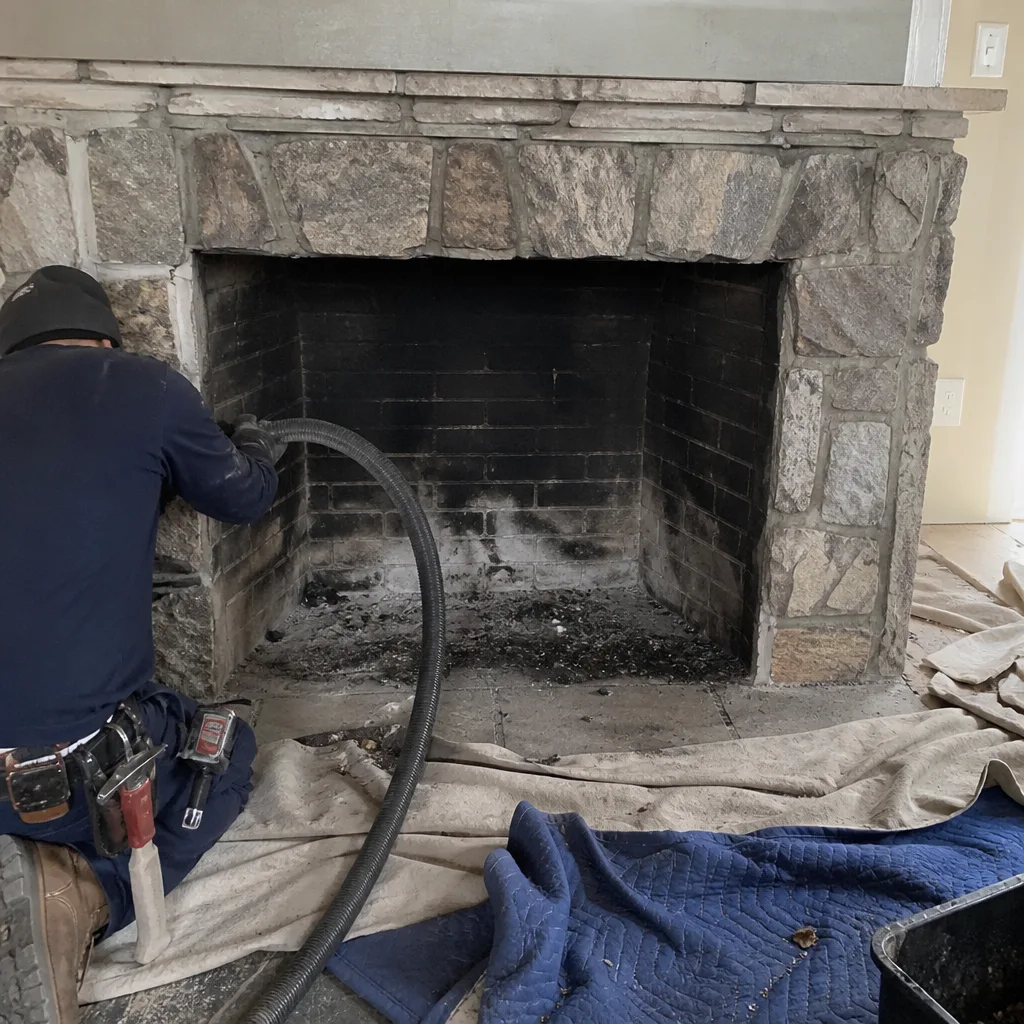 Before
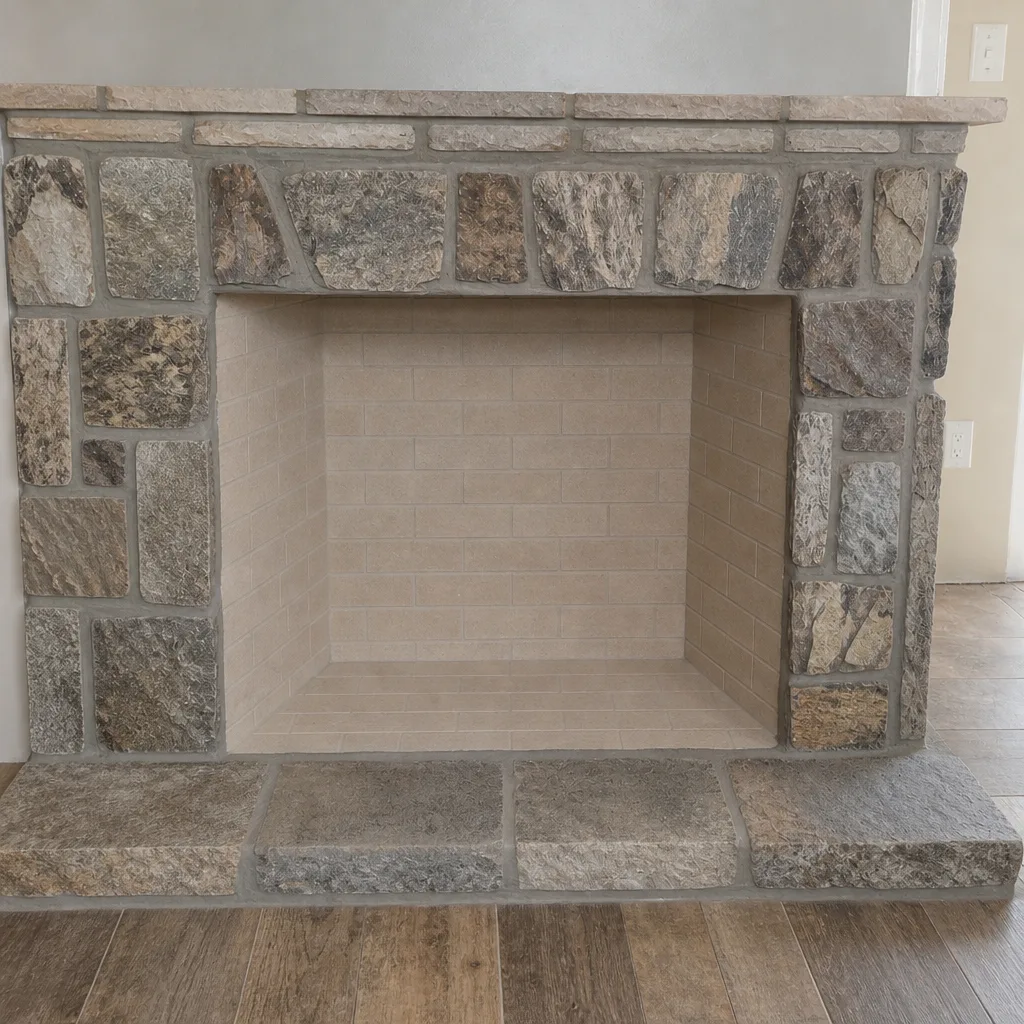 After
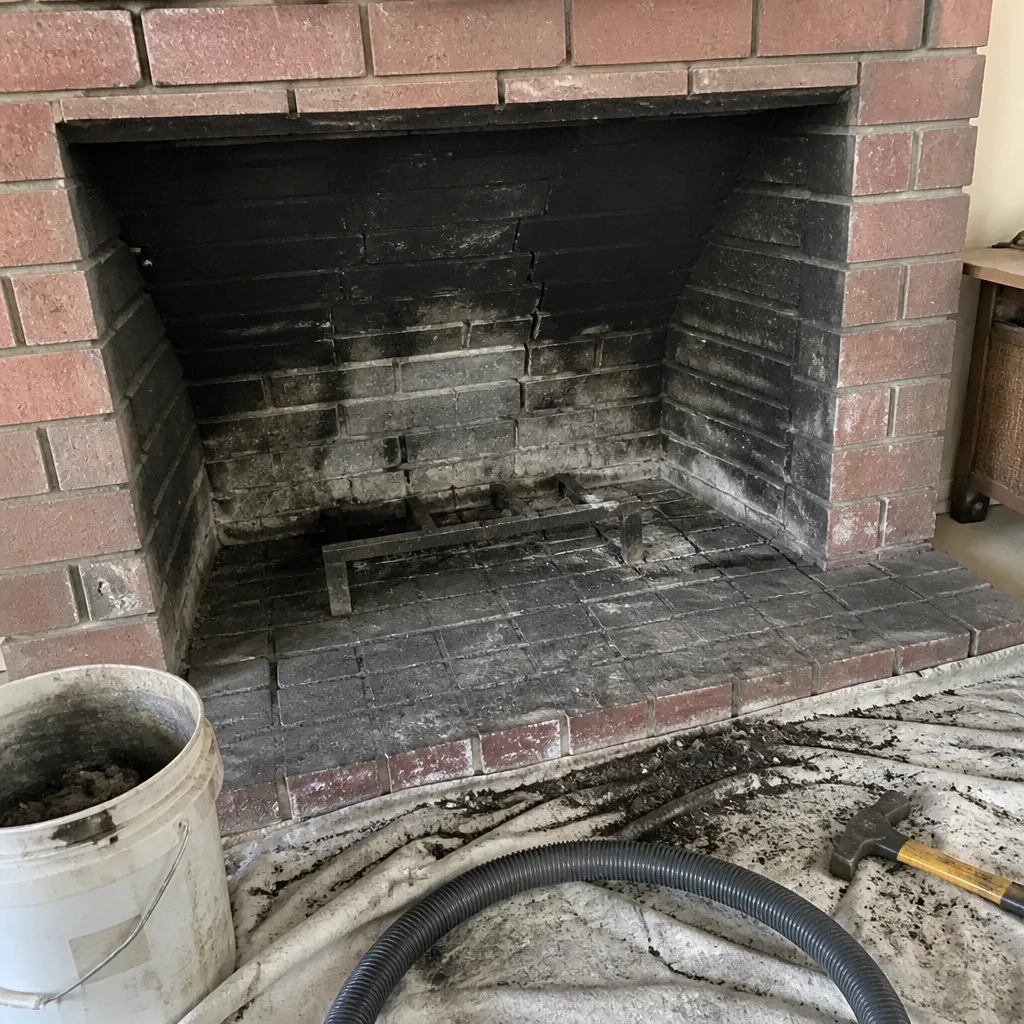 Before
 After
 Before
 After
When to Call a Professional
Some of this checklist is yours to run. The rest isn’t. Call a professional if you see a cracked firebox panel in a prefab unit, a damaged or missing damper, glazed creosote in the flue, a cracked crown, loose flashing, or any staining or smell you can’t explain. Call if you have a gas insert and notice a yellow flame, soot on the logs, or a cold glass face. Call if you hear scratching or chirping in the chimney, or if a nest or animal is present. And call for the annual sweep and inspection itself, since that’s the task that keeps every other item on this list honest.
Garden Grove Chimney Sweep offers free estimates in Garden Grove. Our technicians have up to 13 years of experience, we work with professional brands including DuraFlex, HeatShield, Gelco, and Copperfield, and we perform all five core services in-house: sweep, inspection, chimney repair, fireplace repair, and cap and crown installation. Call (877) 492-3690. We answer 24/7. Fast dispatch from 7am to 7pm, Sunday through Friday.
Frequently Asked Questions
Once a year is the standard for most homes, and more often if you burn wood frequently. In Garden Grove, we recommend booking the sweep and inspection in late summer, before the October through December fire season, so any repair found in the inspection can be done before the first fire. Yearly service keeps creosote from accumulating to the dangerous stage and catches small problems before they become structural. Call (877) 492-3690 for an exact quote. Estimates are free.
A prefab checklist centers on the firebox panels, the firebox floor, the glass and gaskets if the unit has them, the cap and spark arrestor, the vent termination, and any rust on the flue. The panels are the fire containment, so cracks and chips in the refractory are the first thing to look for. A prefab unit is not the same as a masonry fireplace and a masonry checklist will miss its actual failure points. Call (877) 492-3690 for an exact quote. Estimates are free.
Gas inserts don’t need a traditional flue sweep because there’s no creosote, but they do need annual professional service. The service checks the venting, the combustion, the glass and gaskets, and the burner, which is where a gas unit actually fails. A blocked termination or a failed gasket can produce carbon monoxide, so annual service is a safety measure, not a cosmetic one. Call (877) 492-3690 for an exact quote. Estimates are free.
The most common in Southern California are starlings, roof rats, and squirrels. Starlings build bulky nests that block draft and are highly flammable once coated in creosote. Roof rats leave droppings and nest material that are both a contamination problem and a fire risk. Squirrels chew through caps and screens to nest inside. A properly installed and maintained cap is the best prevention. Call (877) 492-3690 for an exact quote. Estimates are free.
We don’t recommend it. The brush is the least of it: the risk is getting on the roof, handling creosote, and missing a flue problem you can’t see without a camera. A professional sweep also gives you a written record of the flue condition, which a DIY brush never will. The real value of the visit is the inspection, not just the scrubbing. Call (877) 492-3690 for an exact quote. Estimates are free.
Keep a folder with the date and type of each service, annual photos of the firebox, firebox panels, glass and gaskets, cap, and crown, plus the data plate on any prefab or gas unit, and the inspector’s written findings. Consistency matters: shoot the same angles each year so changes are visible. A documented history is what you show an insurance adjuster or a buyer, and it’s far more useful than a pile of invoices. Call (877) 492-3690 for an exact quote. Estimates are free.
The Bottom Line
A chimney checklist only helps when it fits the chimney you actually have. Masonry wood-burning fireplaces fail at the flue tiles, damper, and crown. Factory-built units fail at the firebox panels and clearances, where a crack is a fire hazard, not a cosmetic issue. Gas inserts fail at the venting and combustion seal, quietly. Homeowners can handle safe visual checks and ground-level photos, but the sweep, the flue evaluation, and any repair belong to a professional. Schedule it in late summer, before Garden Grove’s fire season rush, keep a documented record, and know that the first job is always knowing what you’re looking at. If you’d like a baseline on your own system, book the Garden Grove Chimney Sweep team for a sweep and inspection. Call (877) 492-3690 for a free estimate. We answer 24/7. Fast dispatch from 7am to 7pm, Sunday through Friday.
Written by the team at Garden Grove Chimney Sweep.