
Last updated November 23, 2026
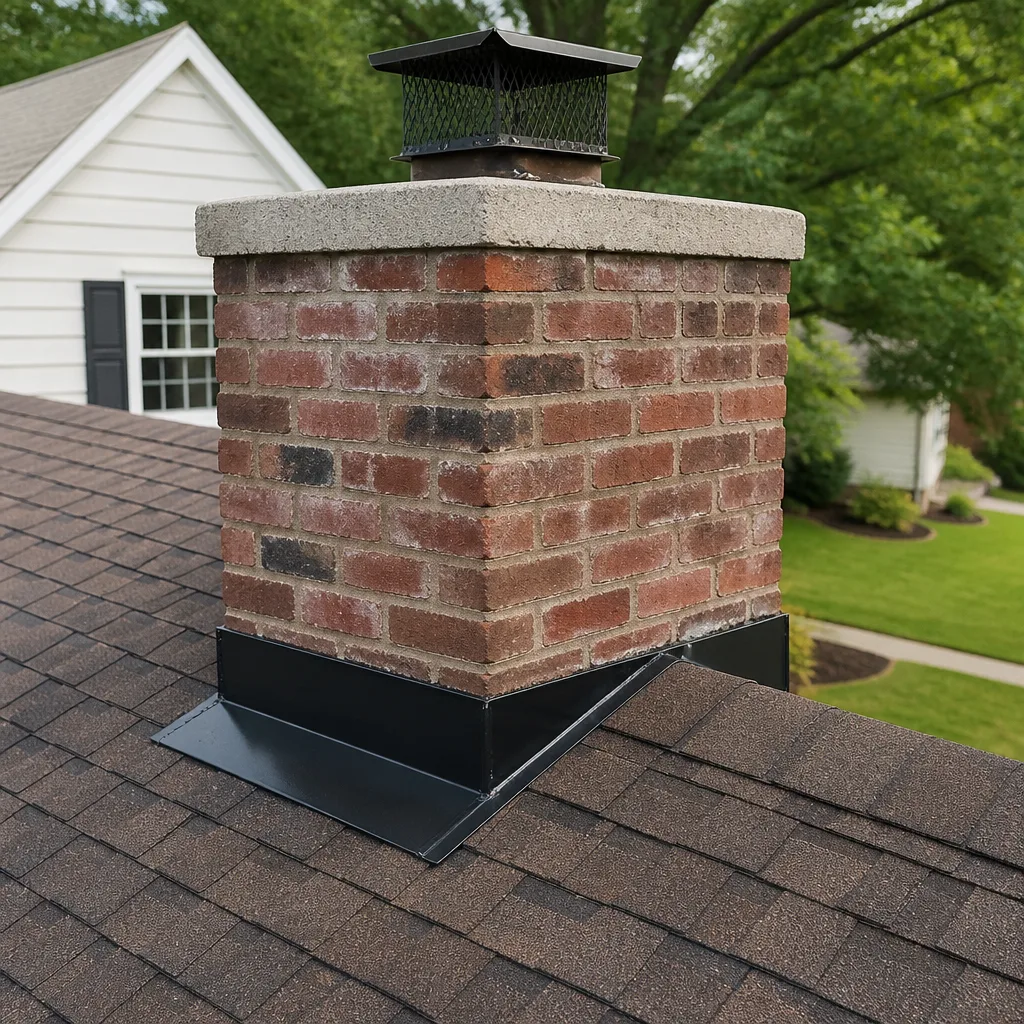 Sweep & inspection
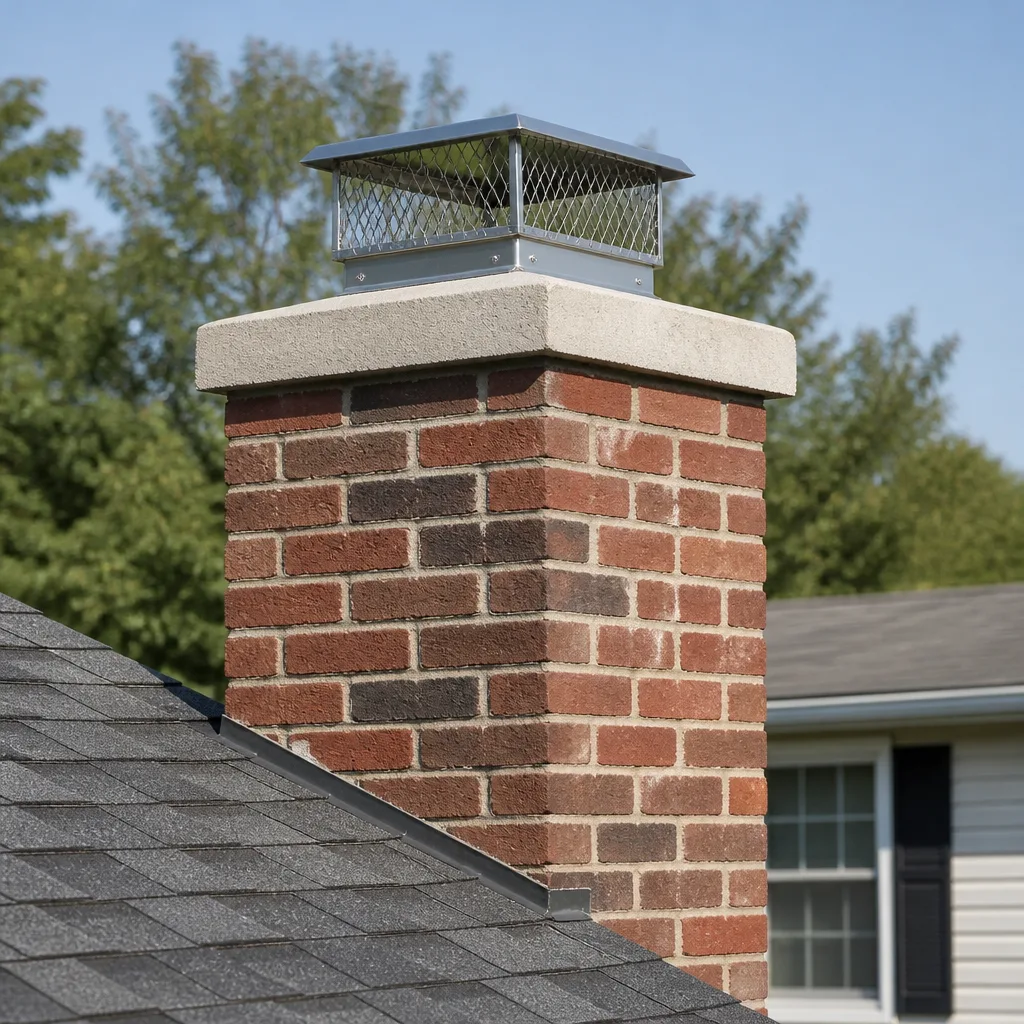 Caps & crowns
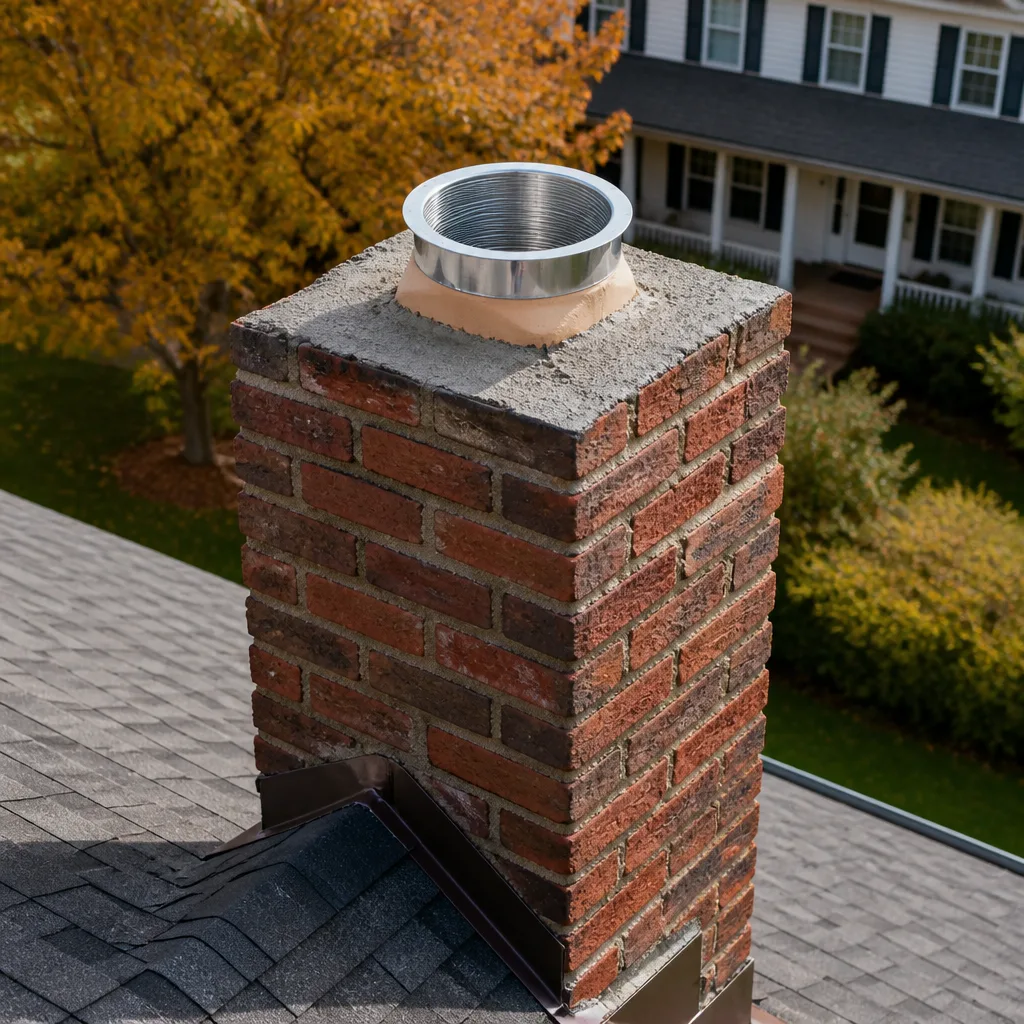 Flue relining
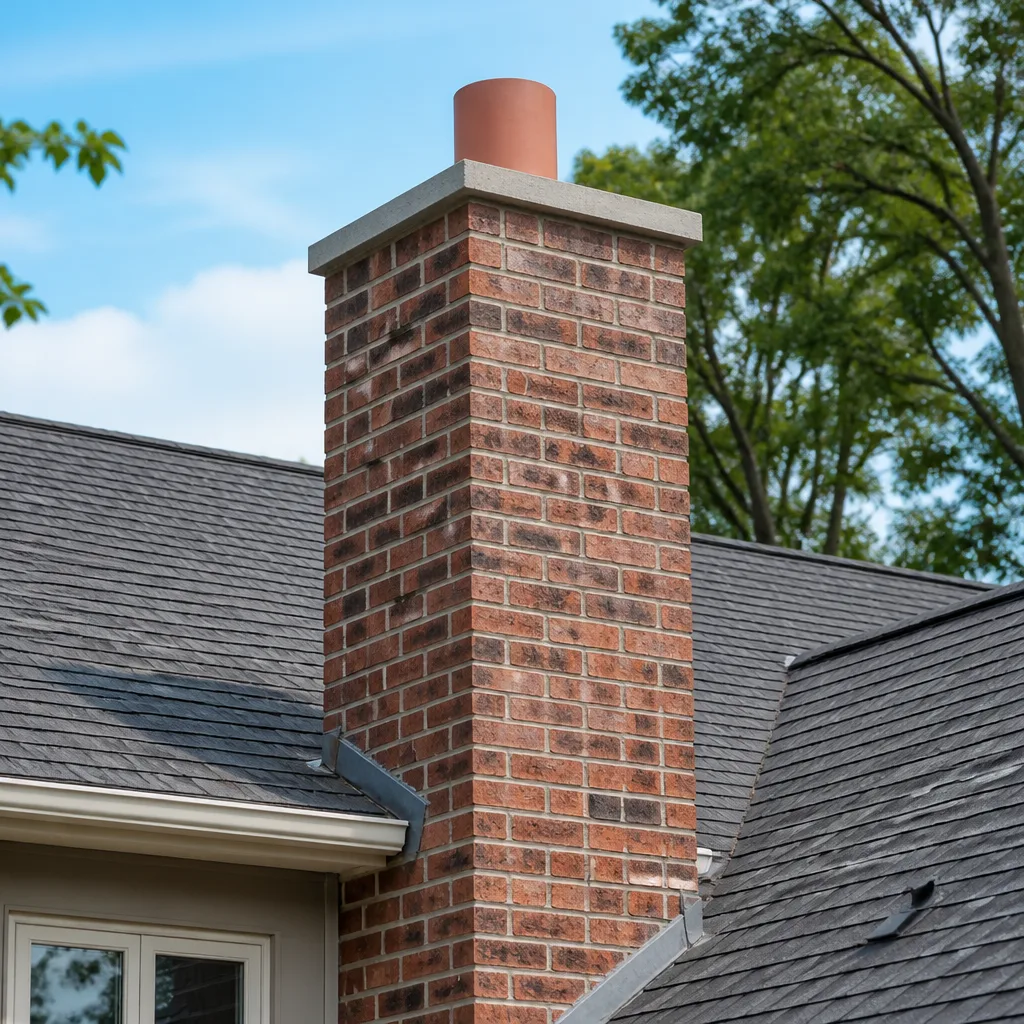 Masonry repair
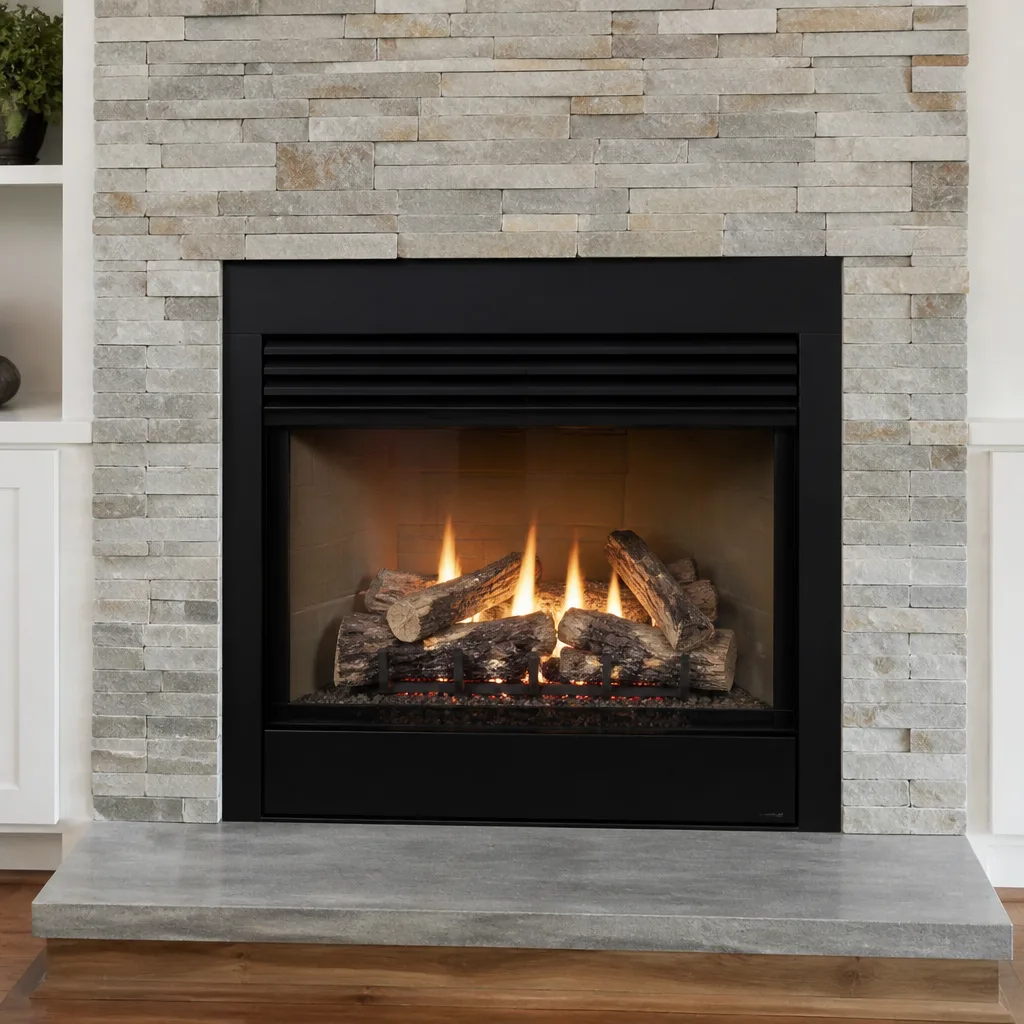 Gas fireplace service
Level 1 sweep and inspection to the NFPA 211 annual standard - flue, crown, cap, and flashing checked and photographed
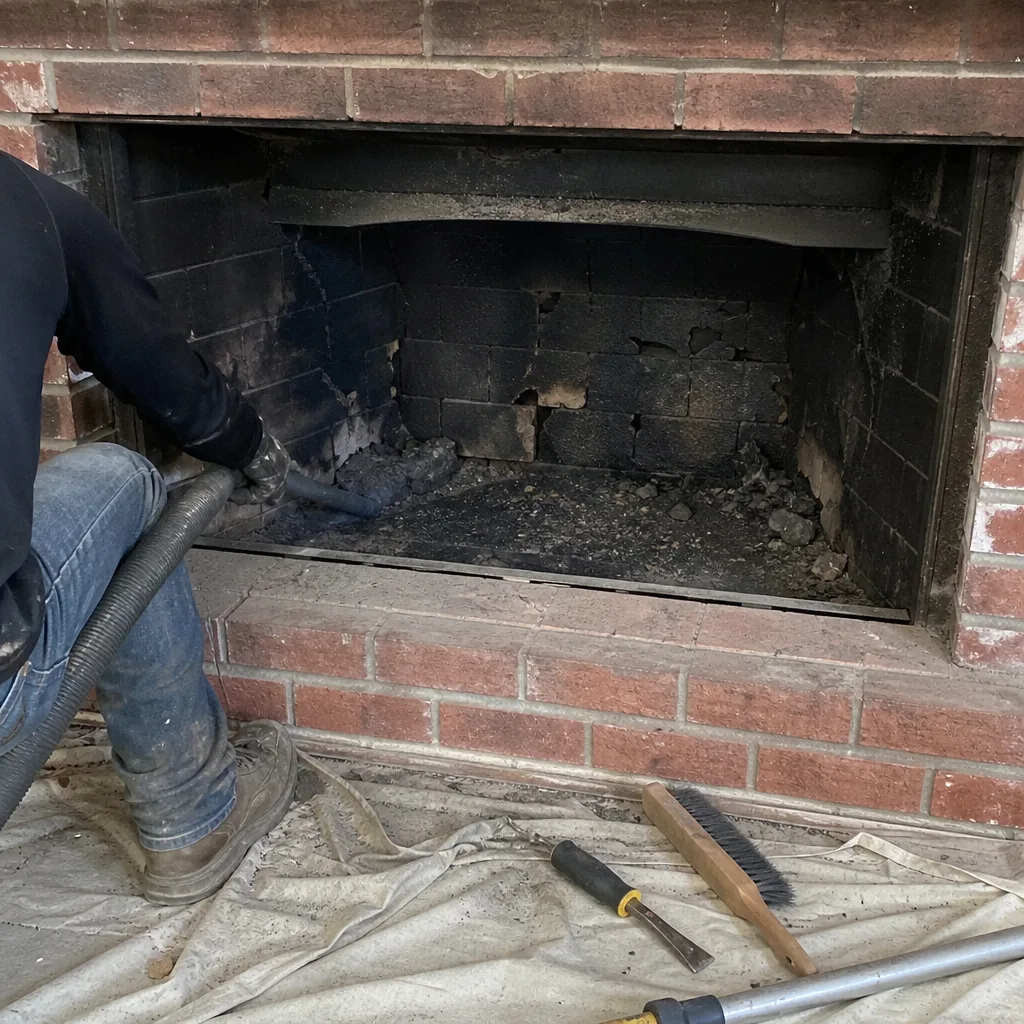
Chimney sweep logs do not sweep chimneys. They loosen some creosote - which then falls where a brush and vacuum still have to collect it.
Chimney Cleaning Warning Signs: A Garden Grove Homeowner’s Reference Guide
A white stain on your chimney’s exterior isn’t a cosmetic issue. It’s efflorescence, and it means water is already moving through your masonry. By the time you see it outside, the inside of that flue has likely been damp for months, quietly softening mortar and rusting the damper assembly while the fireplace sat unused through another mild Garden Grove summer.
Most warning-sign articles lead with smoke rolling into the room or a chimney fire. Those are the dramatic late-stage failures. This guide is about the signals that show up first, the ones that develop slowly in Southern California fireplaces used a handful of times a year, and the ones most Garden Grove homeowners walk past without recognizing. You’ll learn what to look for from the ground, what different smells are telling you, how to read a damper that isn’t behaving, and how to sort a warning sign you can monitor from one that means stop using the fireplace until someone inspects it.
Quick Answer
The warning signs that matter most in Garden Grove chimneys are the quiet ones: white efflorescence staining, spalling brick, receding mortar joints, a musty or sharp odor from the firebox, and a damper that no longer seals or opens smoothly. Any of these means moisture, creosote, or structural movement is present, and the chimney should be swept and inspected before the next fire. Smoke backing into the room, a brown ceiling stain, or a strong sulfur smell from a gas fireplace means stop using it and call a professional.
Styles & brands we work with
- Sweep & inspection
- Caps & crowns
- Flue relining
- Masonry repair
- Gas fireplace service
Table of Contents
- What You Can See From the Ground: Exterior Warning Signs
- What Your Nose Tells You: Reading Chimney Odors
- Damper and Draft Warning Signs
- What Brown Ceiling Stains Actually Mean
- Monitor or Stop Using It? How to Make That Call
- Why Low-Use Fireplaces Develop Problems Slowly
- What a Proper Inspection Reveals
- When to Schedule in Garden Grove
What You Can See From the Ground: Exterior Warning Signs
You don’t need a ladder to catch most structural warning signs. Stand back on the sidewalk or in the yard and look at the chimney above the roofline. Three things are worth checking every few months, and each one points to a different stage of trouble.
Efflorescence: The White Stain
Efflorescence is a whitish, powdery deposit that appears on brick and mortar when water moves through the masonry, dissolves salts inside it, and deposits them on the surface as the water evaporates. It looks a little like a chalky film or a light frost that doesn’t melt. Seeing it means there’s an active water path into the chimney: a failed crown, a missing or damaged cap, cracked mortar, or a flashing leak at the roofline. The stain itself is harmless. What it represents is not. By the time salts are reaching the exterior, the interior flue has often been damp long enough for the mortar between flue tiles to soften and the damper to begin rusting.
Spalling Brick
Spalling is brick face flaking, peeling, or popping off in layers. You’ll find it on the ground near the base of the chimney, or see it as rough, crumbly faces on the masonry above. Brick spalls when it stays wet and goes through enough wet-and-dry cycles for the trapped moisture to push the surface apart. In a mild climate like ours, this process is slower than in a cold-winter state, which is exactly why it gets missed. A homeowner sees one flaking brick and assumes it’s cosmetic. It’s usually the visible end of years of moisture intrusion.
Mortar Joint Recession
Look at the horizontal lines between bricks. Healthy mortar sits roughly flush or slightly recessed. Deteriorating mortar recedes noticeably, leaving the brick faces standing proud like small ledges. When you can catch a fingernail or a coin edge on the mortar joint, it’s already eroding. Deep recession lets more water in, which accelerates the erosion, which lets in more water. It’s a loop that only closes when the joints are repointed and the water source is fixed.
None of these three signs requires a panicked call. All three are worth a documented inspection, because catching them early is the difference between a crown repair and a rebuild. Our technicians have up to 13 years of experience reading these signs, and we’ll show you what we found rather than simply telling you what you need.
What Your Nose Tells You: Reading Chimney Odors
Smell is the most underused diagnostic tool a homeowner has. Chimney odors are not all the same, and the specific character of the smell points to a specific problem. Before you light the first fire of the season, open the firebox door and pay attention.
- Musty, damp, or earthy smell: moisture intrusion. This is the smell of a flue that has been wet, often for months. It usually pairs with efflorescence outside or a rusted damper inside. It’s the most common odor complaint in Garden Grove homes where the fireplace sat unused through a damp winter and a warm, humid spring.
- Sharp, acrid, tarlike smell: creosote off-gassing. Creosote is the residue of incomplete combustion, and it gives off a pungent, almost chemical smell, especially on warm days when the chimney is not drawing. Glazed creosote, the hard, shiny form, is the kind that fuels chimney fires and the kind that cannot be brushed away. If the smell is strong enough that you notice it in the room, there’s enough buildup to warrant a sweep.
- Sulfur or rotten-egg smell in a gas fireplace: a combustion problem, and a stop-using-it signal. Gas fireplaces should burn cleanly with almost no odor. A sulfur smell can indicate incomplete combustion or a venting issue, and it needs a professional before the fireplace runs again.
- Smoky smell after a fire has burned out: often a downdraft or a damper that isn’t sealing. It can also mean the flue is partially blocked.
The pattern to remember: musty means water, acrid means creosote, sulfur means gas. Each one sends you down a different diagnostic path, and the acrid and sulfur versions should prompt a call rather than a wait-and-see.
Damper and Draft Warning Signs
The damper is a hinged metal plate above the firebox that seals the flue when the fireplace isn’t in use. When it works, it opens smoothly and closes snugly. When it doesn’t, the symptoms are easy to misread as “the fireplace is just finicky.”
Signs of a Warped or Failing Damper
- The damper handle moves, but the plate doesn’t seat flat when closed. You can usually see a gap by looking up.
- The fireplace feels cold and drafty when not in use, because outside air is coming down through a seal that no longer closes.
- The plate is visibly bowed, cracked, or coated in rust flakes.
- Smoke puffs into the room when you first light a fire, then settles once the flue warms. That early puff is often a damper that isn’t opening fully.
Signs of a Blocked Flue
- Smoke rolls back into the room no matter how well the fire is started.
- You can smell smoke in the house long after the fire is out.
- The fire burns low and lazy, with poor draft and heavy smoke.
- Birds, squirrels, or debris are visible at the top of the chimney, or you hear scratching.
Negative Pressure in Newer Sealed Homes
Garden Grove has a lot of newer, tightly built housing and a fair amount of it sits close to major roads, where windows stay shut. A house built to seal tightly against outside air also seals tightly against the air a chimney needs to draw. When a bath fan, kitchen hood, or the furnace runs, it can pull air down the flue instead of up. The symptom is a fireplace that smokes only sometimes, usually when another appliance is running. That’s not a dirty chimney. It’s a pressure problem, and it needs a professional to diagnose with a camera and a draft test, not a guess.
What Brown Ceiling Stains Actually Mean
Homeowners almost always assume a brown stain near the fireplace means a roof leak, and sometimes it is. But a stain that appears on the ceiling or upper wall within a few feet of the chimney breast is more often coming from the chimney itself. Here’s what the stain is actually telling you.
Water entering the chimney at the top has to go somewhere. If the crown is cracked or the flashing at the roofline has failed, water can run down the outside of the flue, soak into the masonry, and eventually reach the framing and drywall near the ceiling. It can also come from a condensation problem inside a flue that never warms up enough, which is common in a fireplace used only a few times a year. A brown or yellowish ring on the ceiling is water that has traveled through the structure and dried at the surface, carrying minerals and sometimes rust with it.
- Stain near the chimney, spreading: most likely chimney or flashing. Get the exterior inspected.
- Stain elsewhere on the ceiling, away from the chimney: more likely a roof issue, worth a roofer’s look.
- Discolored or bubbling paint on the chimney breast itself: moisture behind the wall, often from a damp flue or failed crown.
- Rust streaks in the firebox or on the damper: the inside counterpart of that exterior stain, and strong evidence of chronic moisture.
A stain is not something to paint over. The paint hides the evidence, and the water keeps traveling. The right move is a documented inspection that establishes where the water is coming in, which starts with chimney repair before anything else gets done.
Monitor or Stop Using It? How to Make That Call
This is the question homeowners ask us most: is this a “keep an eye on it” or a “don’t light another fire” situation? Here’s how to sort the warning signs into two columns.
Monitor: Watch These, but Book an Inspection
- Light efflorescence on the exterior with no other symptoms
- A few flaking bricks or slightly recessed mortar joints
- A musty smell when the fireplace is cold, without smoke backing up
- A damper that catches slightly or doesn’t seat perfectly, but closes
None of these means your house is in danger today. All of them mean a problem is developing, and it will be cheaper to deal with now than after the next rainy season. Book the inspection on your own timeline.
Stop Using It: No Fire Until Inspected
- Smoke rolling into the room after the fire is established
- A sulfur smell from a gas fireplace
- A brown ceiling stain or visible water damage near the chimney
- Spalling brick with an active leak, or mortar that crumbles when touched
- Any sound of animal activity in the flue, or a visibly blocked chimney top
- Creosote that looks glazed, shiny, or thicker than a quarter inch anywhere you can see
The one thing to be honest with yourself about: the danger of a chimney fire comes from creosote and from cracked flue tiles, and neither one is visible from the firebox. A sweep with a camera tells you what’s actually there. That’s why we don’t recommend anything until the camera shows it. You’ll see the evidence yourself.
Why Low-Use Fireplaces Develop Problems Slowly
A fireplace used once a week in cold country has a steady rhythm of heating and drying that keeps problems predictable. A fireplace used six times a year in Garden Grove has no rhythm at all. It sits damp through the rainy months, dries out in the warm season, and never gets hot enough long enough to drive moisture out of the masonry. That cycle is what makes the early signs subtle.
Three things happen in a low-use fireplace that don’t happen as often in heavy-use ones.
- Moisture wins: the crown, flashing, and cap take the weather all year, but the flue is rarely warm enough to dry itself out. Efflorescence and rusted dampers are the most common result we see.
- Creosote builds without being burned off: each fire deposits a little creosote, and a low-use season can leave that residue to sit and harden into glazed creosote instead of being partly consumed by frequent hot fires.
- Animals move in: a chimney that sits idle for most of the year is a good place for birds and small animals to nest. A cap is the answer, and it’s a standalone service, treated as protection rather than an add-on.
Southern California’s mild winters are the reason a low-use fireplace can go years before a dramatic problem shows up. That’s also the reason it can go years with a quiet problem nobody caught. The annual chimney sweep is the tool that catches it.
What a Proper Inspection Reveals
A visual look from the firebox up with a flashlight is not an inspection. A proper one establishes a documented baseline of the flue and firebox condition before anyone recommends anything. Here’s the sequence a real inspection follows.
- Exterior overview: crown, cap, flashing, brick faces, and mortar joints, evaluated from the ground and the roof.
- Firebox and smoke chamber: checking for cracked or missing firebrick, deteriorated mortar, and creosote buildup.
- Damper: testing operation, checking the seal, and looking for warping or rust.
- Flue scan with a camera: the important step. It’s how you see cracked tiles, gaps between tiles, offsets, glazed creosote, and nests. A flue tile that has cracked but not yet shifted looks fine from below; the camera is the only way to see it.
- Photo report: images of what was found, so you can see the evidence rather than take a recommendation on faith.
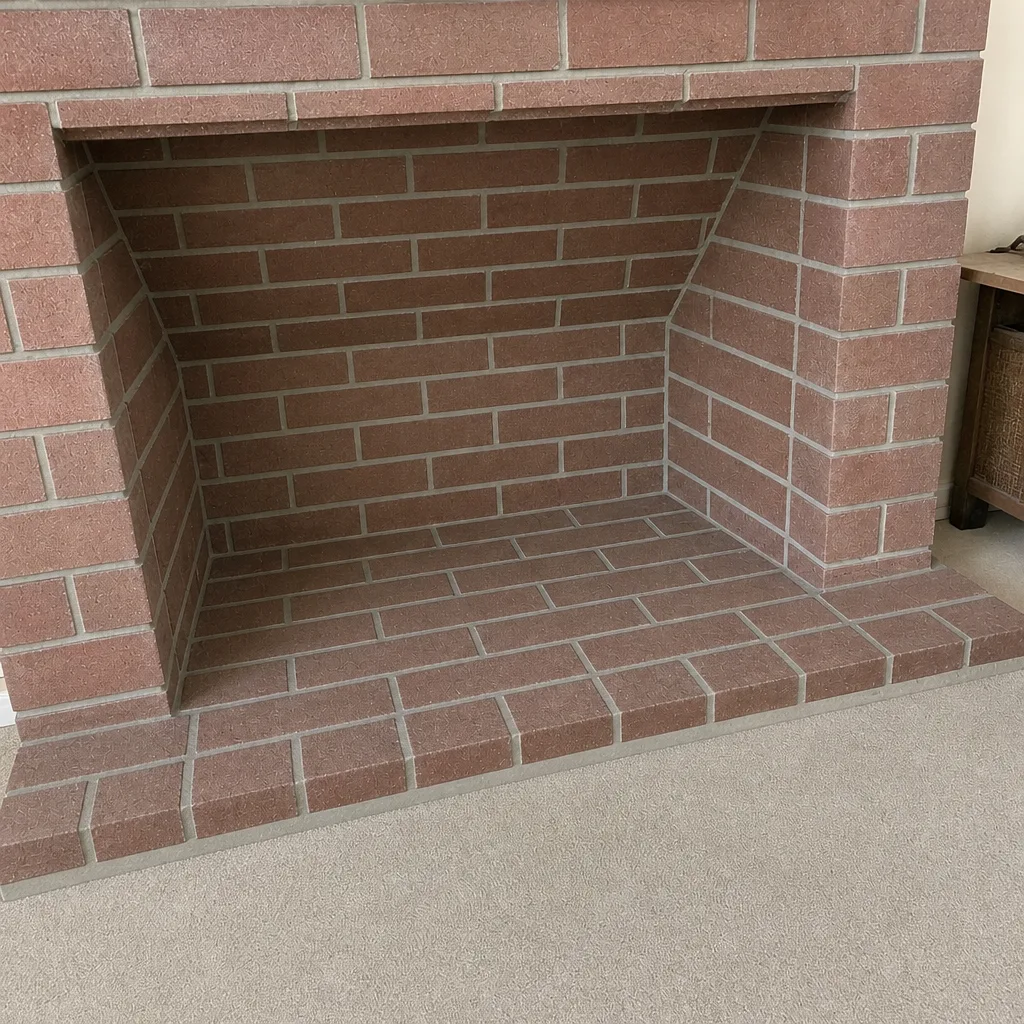
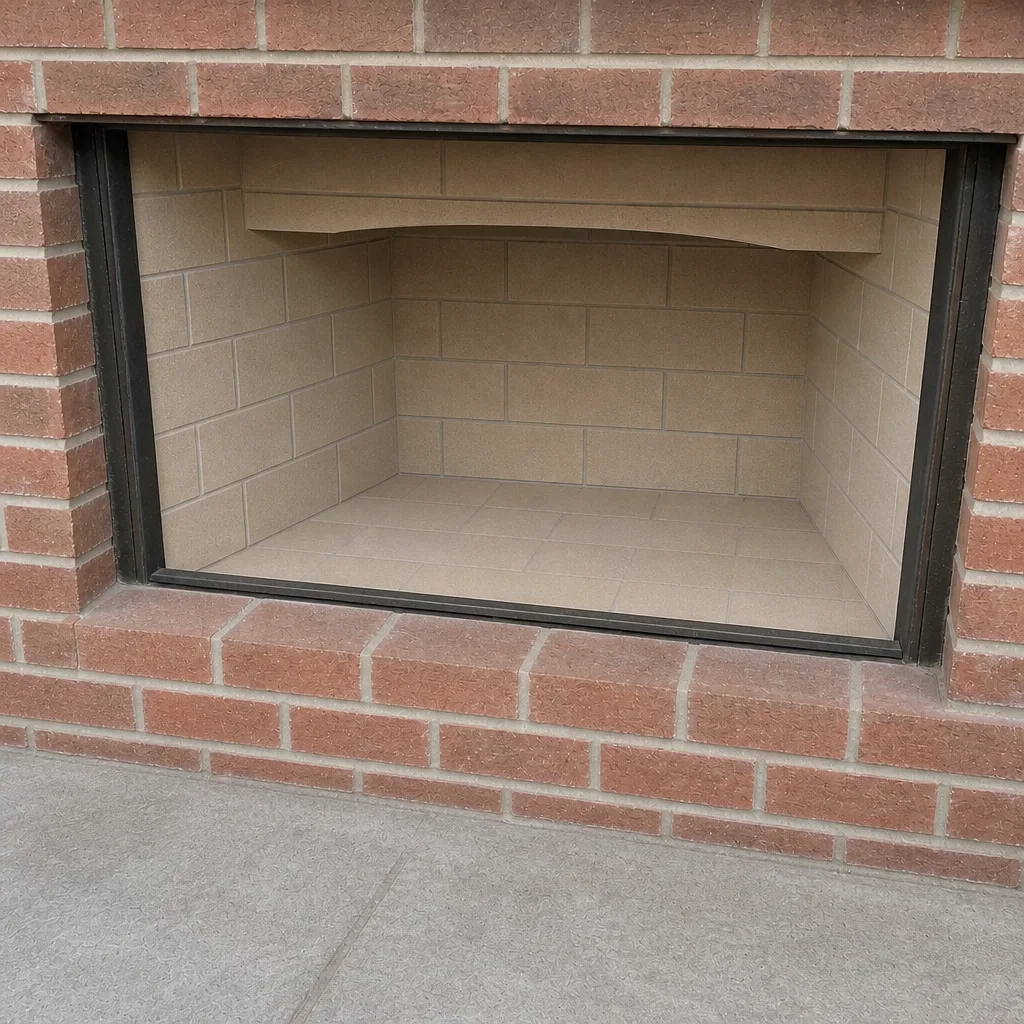
The photo report is the part that matters most for trust. If a technician tells you the flue is cracked, you should be able to see the crack. If they say the crown is failing, you should see the crack in the crown. When the evidence is visible, the recommendation is a decision you can make with your eyes open, including deciding when work can safely wait. We may not always find something worth fixing right away, and we’ll tell you so.
What the inspection finds determines the path. Cracked flue tiles can sometimes be restored with HeatShield resurfacing rather than relined entirely, which is a real difference in cost and disruption. A failed flue that does need relining is typically handled with a DuraFlex flexible liner system, which is built for the offset and complex flue configurations common in older homes. The point is that the diagnosis comes first, and the material choice follows. We work with a roster of professional chimney brands that includes DuraFlex and HeatShield, so the right solution for what the camera shows is available rather than the one material that happens to be on hand.
When to Schedule in Garden Grove
The best time to book a sweep in Garden Grove is before the first cool evening drives the first fire, not after. October and November book up quickly because everyone thinks about the chimney at the same moment, and the rainy season on either side of that makes exterior issues worse while you wait.
Here’s a practical rhythm for a mild-climate home:
- Late summer or early fall: the annual sweep and inspection, so the flue is clean and documented before the first fire.
- After the rainy season: a look at the exterior. This is when new efflorescence, spalling, or a crack in the crown shows up.
- Any time the smell or damper changes: don’t wait for the calendar. A musty smell or a damper that stops closing is a sign that appeared on its own schedule.
We answer 24/7 for scheduling and questions. Fast dispatch from 7am to 7pm, Sunday through Friday, and we’re closed on Saturday. When you call, we book a sweep, and the flat price for the sweep is agreed before the booking, so there’s no surprise when we show up.
Common Mistakes to Avoid
- Painting over a ceiling stain or white efflorescence. Paint hides the evidence and lets the water keep moving through the masonry. Fix the source before you touch the finish.
- Assuming a low-use fireplace doesn’t need a sweep. A Garden Grove fireplace used six times a year still builds creosote and still sits damp through the wet season. Usage level changes the rhythm, not the need.
- Burning the smell away. That acrid creosote smell does not burn off with a hot fire. Sometimes it makes glazed creosote worse. If the smell is noticeable, get it inspected.
- Taking a lowball quote at face value. A quote that undercuts every other number usually means a quick brush and nothing else. Ask whether the sweep includes a camera inspection and a photo report.
- Waiting for smoke in the room. Smoke backup is a late-stage signal. The early signs are the ones on this page, and they show up on the exterior and in the smell long before the fire fails.
- Skipping the cap because “it’s not raining.” The cap is what keeps the rain, the animals, and the debris out in the first place. It protects the repair work you’ve already paid for.
- Letting a contractor fix the fireplace without looking at the chimney. A firebox crack is not the whole story. The flue above it is part of the same system, and it needs to be inspected at the same time.
See the difference
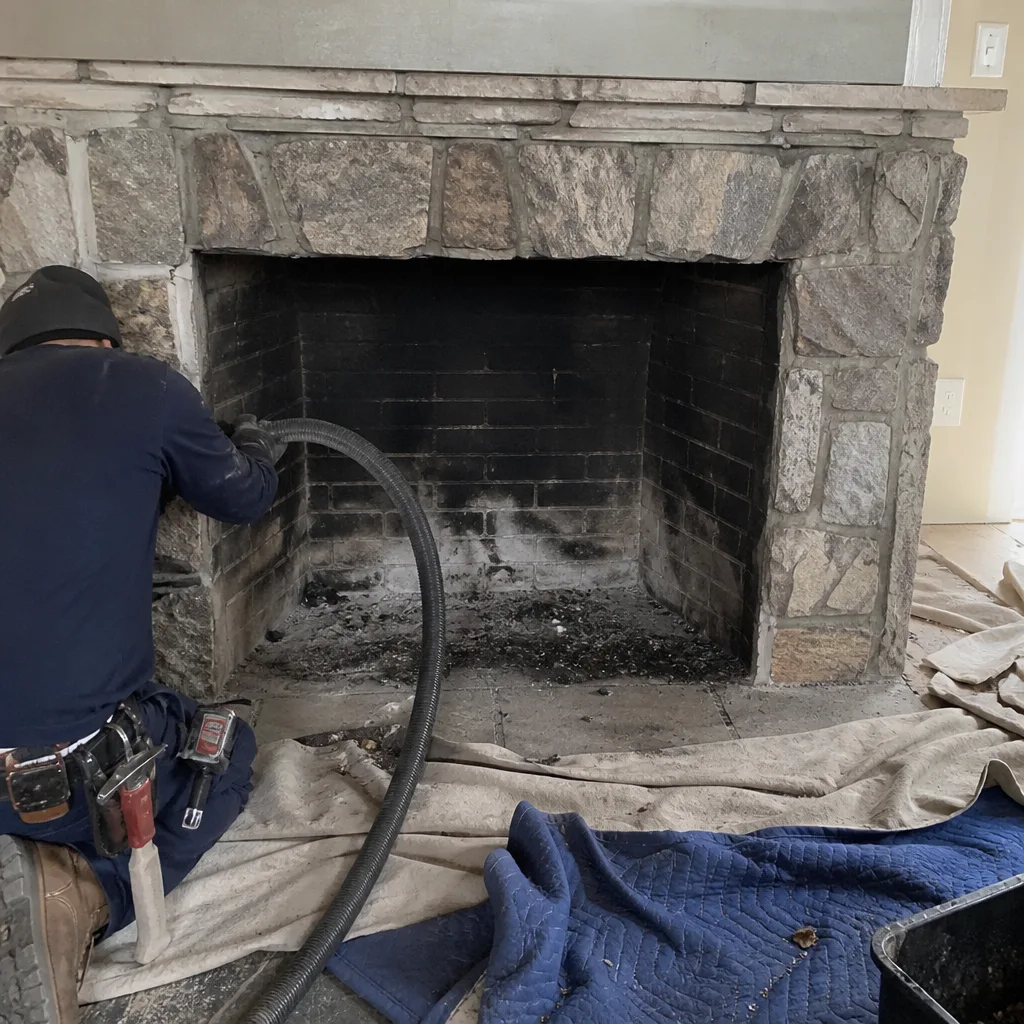 Before
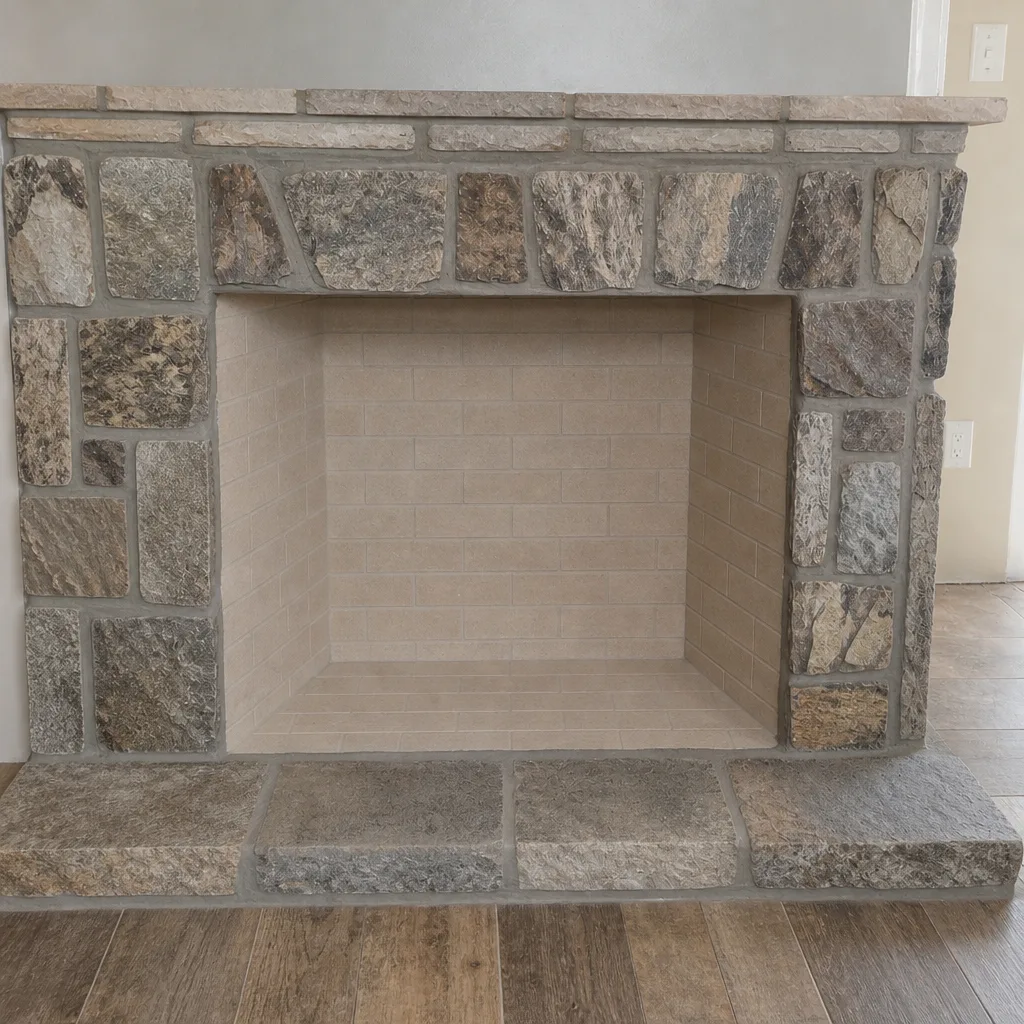 After
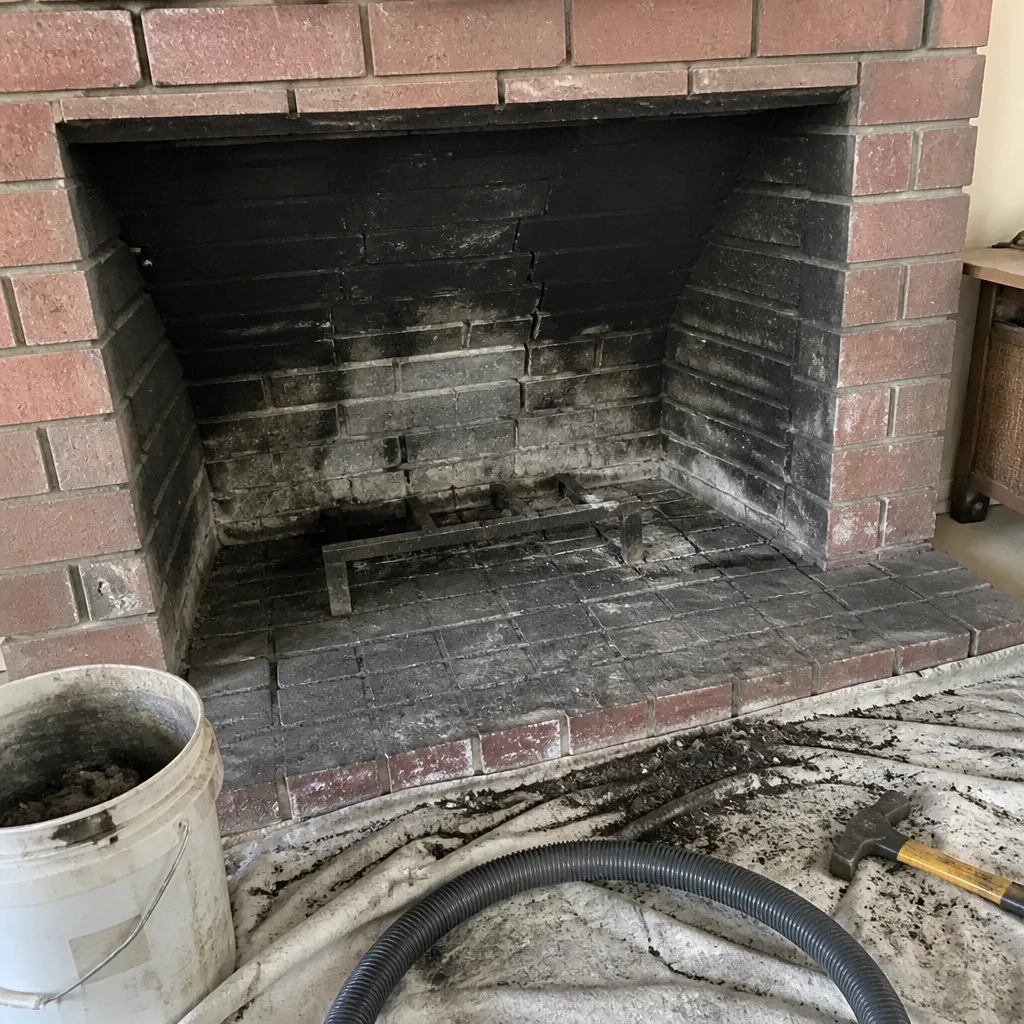 Before
 After
 Before
 After
When to Call a Professional
Call when you see efflorescence, spalling brick, or receding mortar joints on the exterior. Call when the firebox smells musty, acrid, or of sulfur. Call when the damper doesn’t seal, the fireplace smokes only sometimes, or you find a brown stain on the ceiling near the chimney. Call any time the fireplace has sat unused through a full season without an inspection, and call if a nest or animal is visible at the top. Those are the situations where a camera inspection decides the next step, and where the cost of waiting is usually higher than the cost of looking. Garden Grove Chimney Sweep offers free estimates in Garden Grove. Call (877) 492-3690. We answer 24/7, with fast dispatch from 7am to 7pm, Sunday through Friday.
Frequently Asked Questions
Once a year for most homes, even with light use. The yearly sweep is what catches the low-use, slow-developing problems described in this guide before they become structural. If you burn often, or you notice a musty or acrid smell between sweeps, have it checked sooner. Call (877) 492-3690 for an exact quote; estimates are free.
It’s a real warning sign, not cosmetic. The white stain means water is actively moving through the masonry, and by the time it shows outside, the inside of the flue has often been damp for months. The stain itself is harmless, but it points to a water source that needs to be found and fixed. A free estimate will tell you where the water is coming from.
The smell is the water. A musty range means moisture is present in the flue or firebox even when no drip is visible, which is common in a fireplace that sat unused through a damp season. A camera inspection finds the source, whether it’s a cracked crown, failed flashing, or a damper that isn’t sealing.
Cleaning is not the same as inspecting, and a DIY brush doesn’t see what a camera sees. Cracked flue tiles, gaps between tiles, glazed creosote, and an offset flue all look fine from below and only show up on a camera scan. That scan is how you know whether anything needs fixing at all.
A sulfur or rotten-egg smell from a gas fireplace points to a combustion or venting problem, and it’s a stop-using-it signal. Turn the fireplace off and have it inspected before running it again. This is not a smell to wait out or air out.
The camera tells you. A flue with cracked or deteriorating tiles but an intact structure can often be restored with HeatShield resurfacing, which brings the flue back without pulling the whole liner. A flue with a failed liner, gaps between tiles that have shifted, or damage across a long run usually needs relining, which is where a DuraFlex flexible liner comes in. You shouldn’t be asked to decide between them blind; the inspection should show you the evidence first.
Sometimes nothing you’d notice, and that’s the trap. Creosote hardens, water keeps working on the masonry, and the mortar in the flue keeps softening. None of it announces itself until a fire can’t draft or a chimney fire starts. Skipping a year is a risk you can choose, but it’s a risk with a slow fuse and no warning before the end.
The Bottom Line
The dramatic warning signs get all the attention, but the quiet ones are the ones that cost Garden Grove homeowners the most: a white stain, a flaking brick, a musty smell, a damper that doesn’t quite seat. Those are the first signals, and they show up months or years before smoke in the room. Sort them into monitor or stop-using, and book a sweep and inspection when you find one. A camera scan and a photo report are how you get advice you can verify, and honest advice is worth more than a lowball quote. From the sweep through fireplace repair and cap and crown installation, we handle the full chimney under one company, built to last the season and the next one. Call (877) 492-3690 for your free estimate from Garden Grove Chimney Sweep.
Written by the team at Garden Grove Chimney Sweep.